Versuchen GOLD - Frei
WHAT DO YOU WEIGH ON OTHER WORLDS?
How It Works UK
|Issue 204
Scientists distinguish between weight and mass, which may seen pedantic until you see what happens on a world where gravity is radically different to Earth's
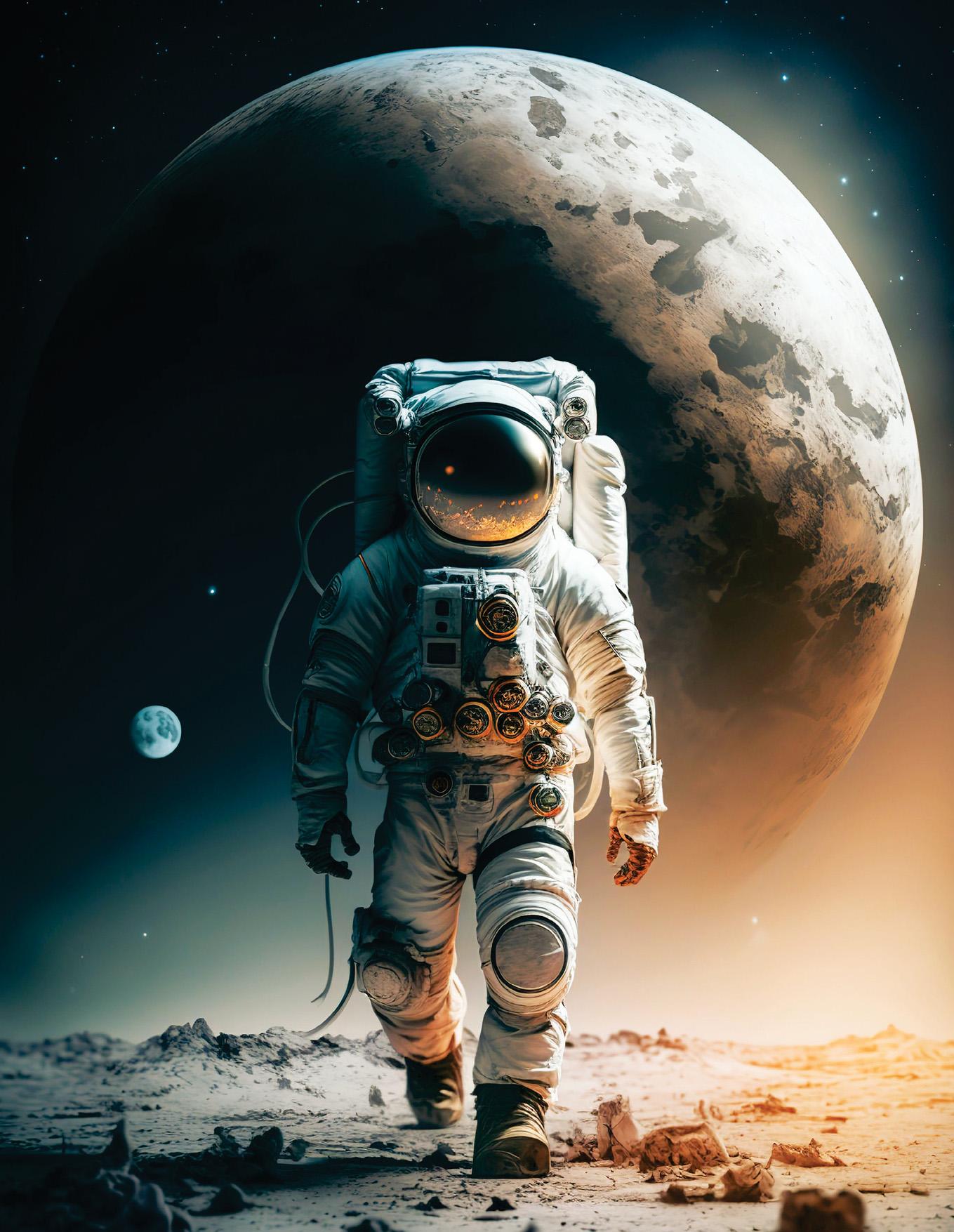
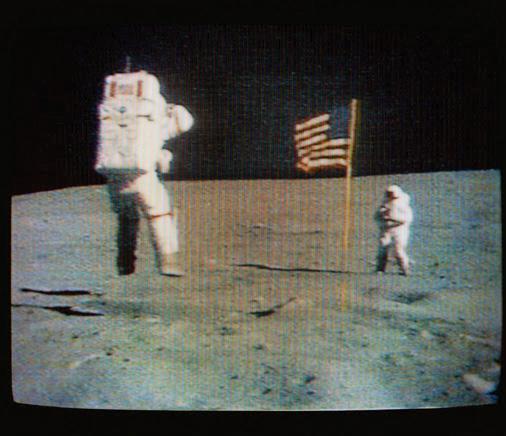
If you've seen footage of the Apollo astronauts running and jumping on the Moon, it's clear they weigh less there than they do on Earth. When humans finally walk on Mars, they'll find their weight is somewhere between their Earth and lunar weights. So weight isn't the constant we sometimes imagine it is – and it's worth diving into some basic physics to see why. In everyday life we measure weight in grams or kilograms, but to a scientist these are units of a different physical property called mass. This measures the amount of substance in an object, and it's the same whatever planet you're on. An object's mass determines how it responds when you apply a force to it – for example, the force you exert on a ball when you throw it horizontally. The greater the ball's mass, the slower its speed when it leaves your hand. But that speed is irrespective of where you are. If you throw the ball with the same force on the Moon, it will fly off at the same speed as on Earth.
 The thing that's different on the Moon is the strength of gravity, which is also a kind of force. In fact, the downward force on the ball – or any other object – due to gravity is what we're really talking about when we refer to its weight. Because the Moon's gravity is only a sixth as strong as Earth's, a ball weighs a sixth as much there. If its mass is 180 grams, then in everyday language we can say it weighs 180 grams on Earth but only 30 grams on the Moon – although scientists use different units for weight, not grams. Its reduced weight means it falls more slowly on the Moon, and hence travels farther before hitting the ground, despite the fact that you threw it at the same speed.


Diese Geschichte stammt aus der Issue 204-Ausgabe von How It Works UK.
Abonnieren Sie Magzter GOLD, um auf Tausende kuratierter Premium-Geschichten und über 9.000 Zeitschriften und Zeitungen zuzugreifen.
Sie sind bereits Abonnent? Anmelden
WEITERE GESCHICHTEN VON How It Works UK
How It Works UK
FORMULA FAST
YOUR ULTIMATE GUIDE TO FORMULA ONE RACING

1 mins
Issue 212

How It Works UK
MY LIFE AS AN ASTHMANAUT
A CHILDREN'S BOOK ABOUT ASTHMA
1 min
Issue 212

How It Works UK
LYDIA LOVES BUGS
A SHORT AND SWEET STORY OF AN ENTHUSIASTIC ENTOMOLOGIST
1 min
Issue 212

How It Works UK
INSIDE A DRONE
Drones aren't just for the military any more. These flying marvels are now taking over our lives
3 mins
Issue 212
How It Works UK
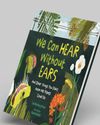
WE CAN HEAR WITHOUT EARS
AND OTHER THINGS YOU DIDN'T KNOW WE PLANTS COULD DO
1 min
Issue 212
How It Works UK
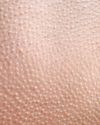
DO GEESE GET GOOSEBUMPS?
Many animals experience a similar reaction when they feel cold or scared
2 mins
Issue 212
How It Works UK
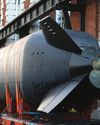
SUBMARINES WITHOUT SAILORS
Dive into the world of autonomous submarines and discover the mission that will see one sail around the world
4 mins
Issue 212
How It Works UK
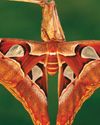
WHAT HAPPENS INSIDE A COCOON?
How certain species of insects transform from crawling caterpillars to flying moths and butterflies
3 mins
Issue 212

How It Works UK
HOW THE ROSE LOST ITS SCENT
From floral to fragranceless, there's a biological reason behind a rose's missing odour today
3 mins
Issue 212
How It Works UK
How many insects have been discovered so far?
The total number of named species is around a million.
7 mins
Issue 212
Listen
Translate
Change font size