Versuchen GOLD - Frei
Human refuse is ‘kick-starting’ the domestication of raccoons
How It Works UK
|Issue 211
City-dwelling raccoons are showing early signs of domestication. Using photos uploaded to the citizen science platform iNaturalist, researchers found that raccoons in urban environments had shorter snouts than their rural counterparts. The difference could be one of several traits that make up 'domestication syndrome', the scientists wrote in a study published in the journal Frontiers in Zoology. Domesticated animals typically become less aggressive towards humans over time. They gradually develop a relationship in which people provide for them in exchange for resources, such as meat and milk from livestock or labour from herding dogs. That process often involves selectively breeding animals for certain desirable traits, but it doesn't always begin that way. "I wanted to know if living in a city environment would kick-start domestication processes in animals that are currently not domesticated," said Raffaela Lesch, a zoologist at the University of Arkansas at Little Rock.
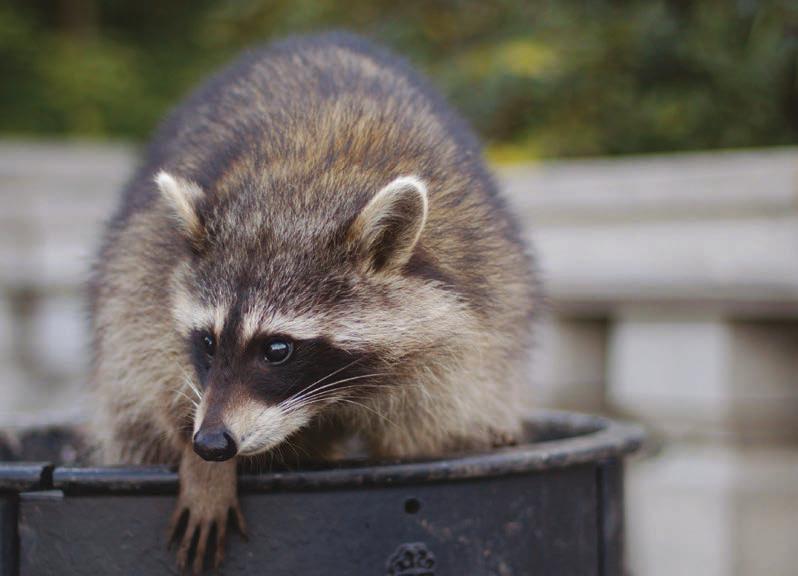
Domestication begins when animals adapt to a new niche created by the presence of humans. For raccoons, that niche might involve rooting around in our rubbish bins. That waste makes for an easy meal for the critters. “All they have to do is endure our presence, not be aggressive, and then they can feast on anything we throw away.”


Diese Geschichte stammt aus der Issue 211-Ausgabe von How It Works UK.
Abonnieren Sie Magzter GOLD, um auf Tausende kuratierter Premium-Geschichten und über 9.000 Zeitschriften und Zeitungen zuzugreifen.
Sie sind bereits Abonnent? Anmelden
WEITERE GESCHICHTEN VON How It Works UK

How It Works UK
FORMULA FAST
YOUR ULTIMATE GUIDE TO FORMULA ONE RACING

1 mins
Issue 212
How It Works UK
MY LIFE AS AN ASTHMANAUT
A CHILDREN'S BOOK ABOUT ASTHMA
1 min
Issue 212
How It Works UK
LYDIA LOVES BUGS
A SHORT AND SWEET STORY OF AN ENTHUSIASTIC ENTOMOLOGIST
1 min
Issue 212

How It Works UK
INSIDE A DRONE
Drones aren't just for the military any more. These flying marvels are now taking over our lives
3 mins
Issue 212
How It Works UK
WE CAN HEAR WITHOUT EARS
AND OTHER THINGS YOU DIDN'T KNOW WE PLANTS COULD DO
1 min
Issue 212

How It Works UK
DO GEESE GET GOOSEBUMPS?
Many animals experience a similar reaction when they feel cold or scared
2 mins
Issue 212
How It Works UK
SUBMARINES WITHOUT SAILORS
Dive into the world of autonomous submarines and discover the mission that will see one sail around the world
4 mins
Issue 212
How It Works UK
WHAT HAPPENS INSIDE A COCOON?
How certain species of insects transform from crawling caterpillars to flying moths and butterflies
3 mins
Issue 212

How It Works UK
HOW THE ROSE LOST ITS SCENT
From floral to fragranceless, there's a biological reason behind a rose's missing odour today
3 mins
Issue 212
How It Works UK
How many insects have been discovered so far?
The total number of named species is around a million.
7 mins
Issue 212
Listen
Translate
Change font size