Versuchen GOLD - Frei
HOW NORTH AMERICA'S GREAT LAKES FORMED
How It Works UK
|Issue 198
The world's largest freshwater system comprises five immense interconnected lakes, carved into Earth by glaciers
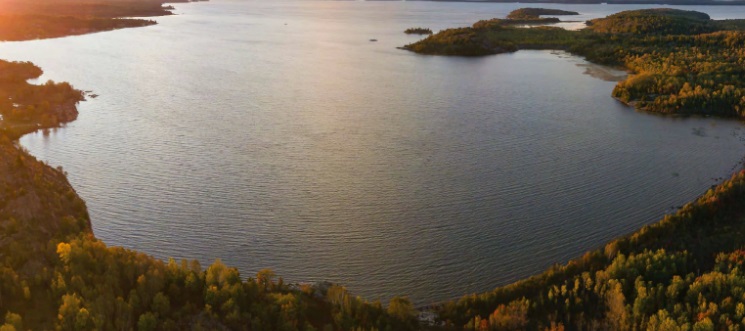
The Great Lakes - Superior, Michigan, Huron, Erie and Ontario - are five freshwater giants that dominate the US landscape and cross over the Canadian border. Standing on their shores, you could be forgiven for thinking you were looking out to sea. These vast bodies of water have a collective volume of 6 quadrillion gallons. That's more than one-fifth of the world's total freshwater. The lakes provide drinking water to more than 40 million people, crucial shipping routes for more than 800 ocean vessels, granting them access to the continent's interior, and sustain a rich ecosystem for fishing and agricultural practices.
Covering an area of 94,250 square miles, the Great Lakes are deserving of their name. They span across eight US states and two Canadian provinces. Among the five lies the world's largest lake by surface area, Lake Superior, and the largest freshwater sand dunes, which line the shores of Lake Michigan. These are called the Sleeping Bear Dunes and rise 137 metres above the lake's surface.
The Great Lakes' value supports wildlife, the national economy and the environment. They only exist because a million years of tectonic activity, glacial carving and rising temperatures forged them into the awe-inspiring geographical features we see today.
MAKING LAKES ON PLATES
Tectonic plates are large pieces of the planet's outer crust, called the lithosphere. Under the intense heat emitted at Earth's core, these plates are slowly shifting and changing the shape of features on the surface. When two of these plates pull apart, they can create large cracks in the crust called rift valleys. Over time, these can fill up with water and become a lake. Plate tectonics can also form lakes via plates sinking to form basins for lakes to form in, or plates pushing against each other and creating cracks in the crust.
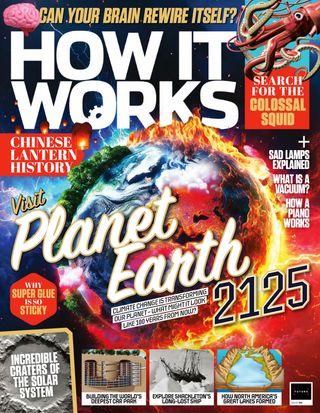

Diese Geschichte stammt aus der Issue 198-Ausgabe von How It Works UK.
Abonnieren Sie Magzter GOLD, um auf Tausende kuratierter Premium-Geschichten und über 9.000 Zeitschriften und Zeitungen zuzugreifen.
Sie sind bereits Abonnent? Anmelden
WEITERE GESCHICHTEN VON How It Works UK

How It Works UK
FORMULA FAST
YOUR ULTIMATE GUIDE TO FORMULA ONE RACING

1 mins
Issue 212

How It Works UK
MY LIFE AS AN ASTHMANAUT
A CHILDREN'S BOOK ABOUT ASTHMA
1 min
Issue 212

How It Works UK
LYDIA LOVES BUGS
A SHORT AND SWEET STORY OF AN ENTHUSIASTIC ENTOMOLOGIST
1 min
Issue 212

How It Works UK
INSIDE A DRONE
Drones aren't just for the military any more. These flying marvels are now taking over our lives
3 mins
Issue 212
How It Works UK
WE CAN HEAR WITHOUT EARS
AND OTHER THINGS YOU DIDN'T KNOW WE PLANTS COULD DO
1 min
Issue 212

How It Works UK
DO GEESE GET GOOSEBUMPS?
Many animals experience a similar reaction when they feel cold or scared
2 mins
Issue 212
How It Works UK
SUBMARINES WITHOUT SAILORS
Dive into the world of autonomous submarines and discover the mission that will see one sail around the world
4 mins
Issue 212
How It Works UK
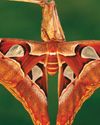
WHAT HAPPENS INSIDE A COCOON?
How certain species of insects transform from crawling caterpillars to flying moths and butterflies
3 mins
Issue 212

How It Works UK
HOW THE ROSE LOST ITS SCENT
From floral to fragranceless, there's a biological reason behind a rose's missing odour today
3 mins
Issue 212
How It Works UK
How many insects have been discovered so far?
The total number of named species is around a million.
7 mins
Issue 212
Listen
Translate
Change font size