
Mit Magzter GOLD unbegrenztes Potenzial nutzen
Erhalten Sie unbegrenzten Zugriff auf über 9.000 Zeitschriften, Zeitungen und Premium-Artikel für nur
Versuchen GOLD - Frei
ANCIENT ANIMAL SURVIVAL SECRETS
How It Works UK
|Issue 205
Discover the remarkable resilience of Earth's oldest and hardiest animals, overcoming mass extinctions and conquering the planet's ever-changing climate
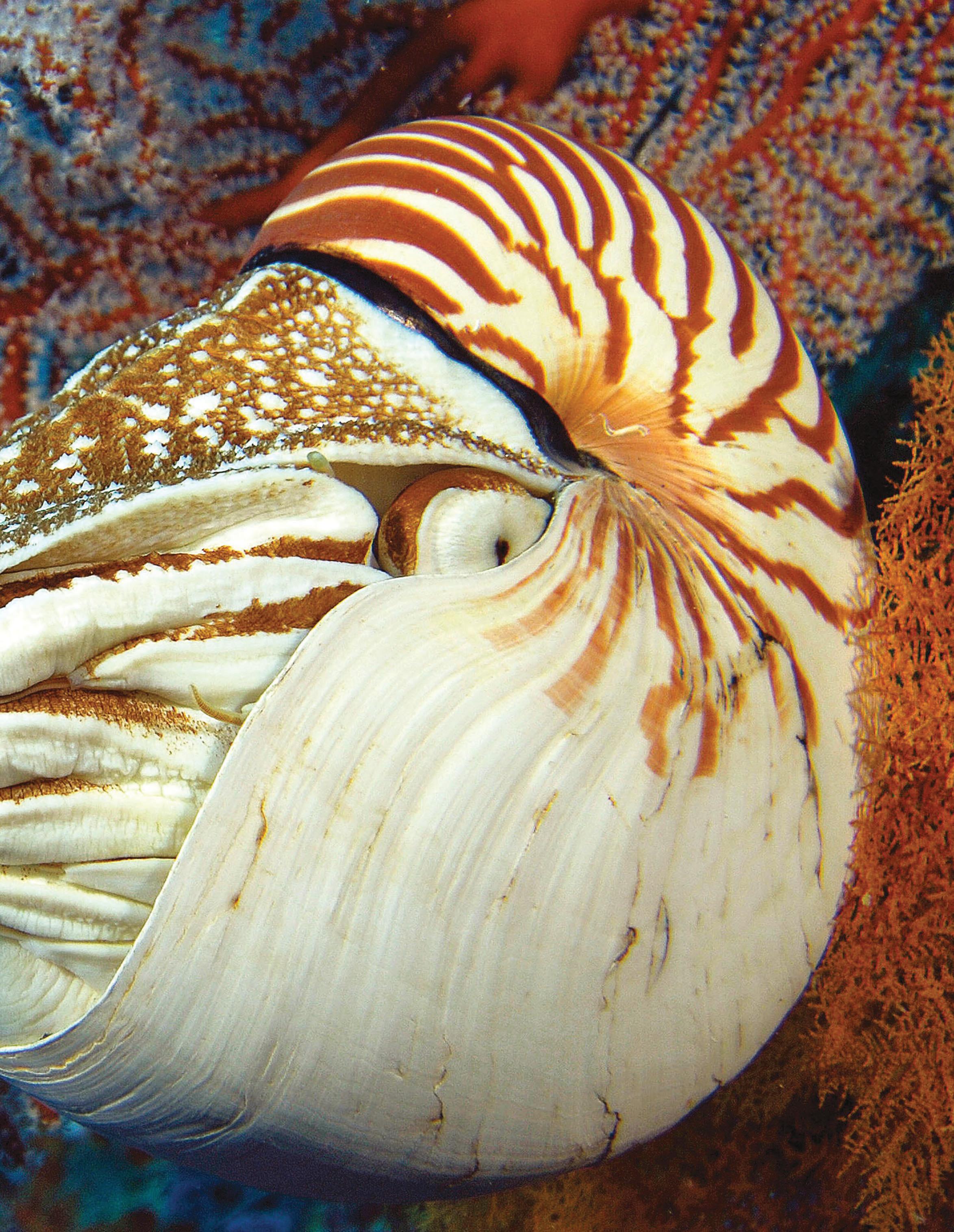
As animals that lived long before us and dominated Earth between 245 and 66 million years ago, we are fascinated by the dinosaurs.
Yet there are others alive today that lived alongside them, came before them and have remained relatively unchanged for hundreds of millions of years. Some have endured five mass extinction events and survived, while the dinosaurs were doomed to perish.
The key to a creature’s success over the course of geological eras varies, though there are some general traits that make its long-term survival more likely.
Firstly, they need to be adaptable and flexible. If a sudden mass-extinction event occurs and the conditions of its environment change suddenly, the speed at which an animal can adapt to these new – and often more hostile – conditions determines whether they survive or are wiped out. The next factor to consider is reproductive capability. Instead of being the toughest and longest living animals, some take a strength-in-numbers approach. Fast reproduction means that even if an animal lives a short life, it can reproduce and help maintain the population of its species within this short time. The less time there is between birth and reproduction in an animal's life cycle, the better the chances of producing offspring.
Complexity isn’t always the best approach. Some of the longest lasting inhabitants of Earth are those with a simple biological makeup that can adapt more easily to a changing environment and don’t need so much energy to sustain complex functions. This might mean that the animal is brainless, as brains demand huge amounts of a body's total energy for complex functions. The human brain, for example, uses up 20 per cent of your energy intake. So while humans may be considered one of the most advanced species, we have only existed for 200,000 years. In the grand scheme of things, we're a new life form and have not yet had a test of survival in the same way much older species have.

Diese Geschichte stammt aus der Issue 205-Ausgabe von How It Works UK.
Abonnieren Sie Magzter GOLD, um auf Tausende kuratierter Premium-Geschichten und über 9.000 Zeitschriften und Zeitungen zuzugreifen.
Sie sind bereits Abonnent? Anmelden
WEITERE GESCHICHTEN VON How It Works UK

How It Works UK
FORMULA FAST
YOUR ULTIMATE GUIDE TO FORMULA ONE RACING

1 mins
Issue 212

How It Works UK
MY LIFE AS AN ASTHMANAUT
A CHILDREN'S BOOK ABOUT ASTHMA
1 min
Issue 212

How It Works UK
LYDIA LOVES BUGS
A SHORT AND SWEET STORY OF AN ENTHUSIASTIC ENTOMOLOGIST
1 min
Issue 212

How It Works UK
INSIDE A DRONE
Drones aren't just for the military any more. These flying marvels are now taking over our lives
3 mins
Issue 212

How It Works UK
WE CAN HEAR WITHOUT EARS
AND OTHER THINGS YOU DIDN'T KNOW WE PLANTS COULD DO
1 min
Issue 212

How It Works UK
DO GEESE GET GOOSEBUMPS?
Many animals experience a similar reaction when they feel cold or scared
2 mins
Issue 212

How It Works UK
SUBMARINES WITHOUT SAILORS
Dive into the world of autonomous submarines and discover the mission that will see one sail around the world
4 mins
Issue 212
How It Works UK
WHAT HAPPENS INSIDE A COCOON?
How certain species of insects transform from crawling caterpillars to flying moths and butterflies
3 mins
Issue 212

How It Works UK
HOW THE ROSE LOST ITS SCENT
From floral to fragranceless, there's a biological reason behind a rose's missing odour today
3 mins
Issue 212
How It Works UK
How many insects have been discovered so far?
The total number of named species is around a million.
7 mins
Issue 212
Listen
Translate
Change font size