Versuchen GOLD - Frei
20 amazing answers to curious QUESTIONS about the COSMOS
How It Works UK
|Issue 205
THE UNIVERSE IS FULL OF MYSTERIOUS PHENOMEN AND INCREDIBLE OBJECTS, AND WE'RE LEARNING MORE ABOUT THEM EVERY DAY
WHAT'S AT THE EDGE OF THE UNIVERSE?
It’s a question that sort of undoes itself when asked. To imply that the universe has an edge would mean that there's something beyond it. But if we consider the universe to include everything that exists, then it isn’t possible for it to have an ‘edge’. What we know about the universe is that it’s continually expanding from an event known as the Big Bang. Without any boundary or edge, the universe could be one of two things — it’s either infinitely expanding or the universe is finite, but its geometry is causing it to fold back in on itself.
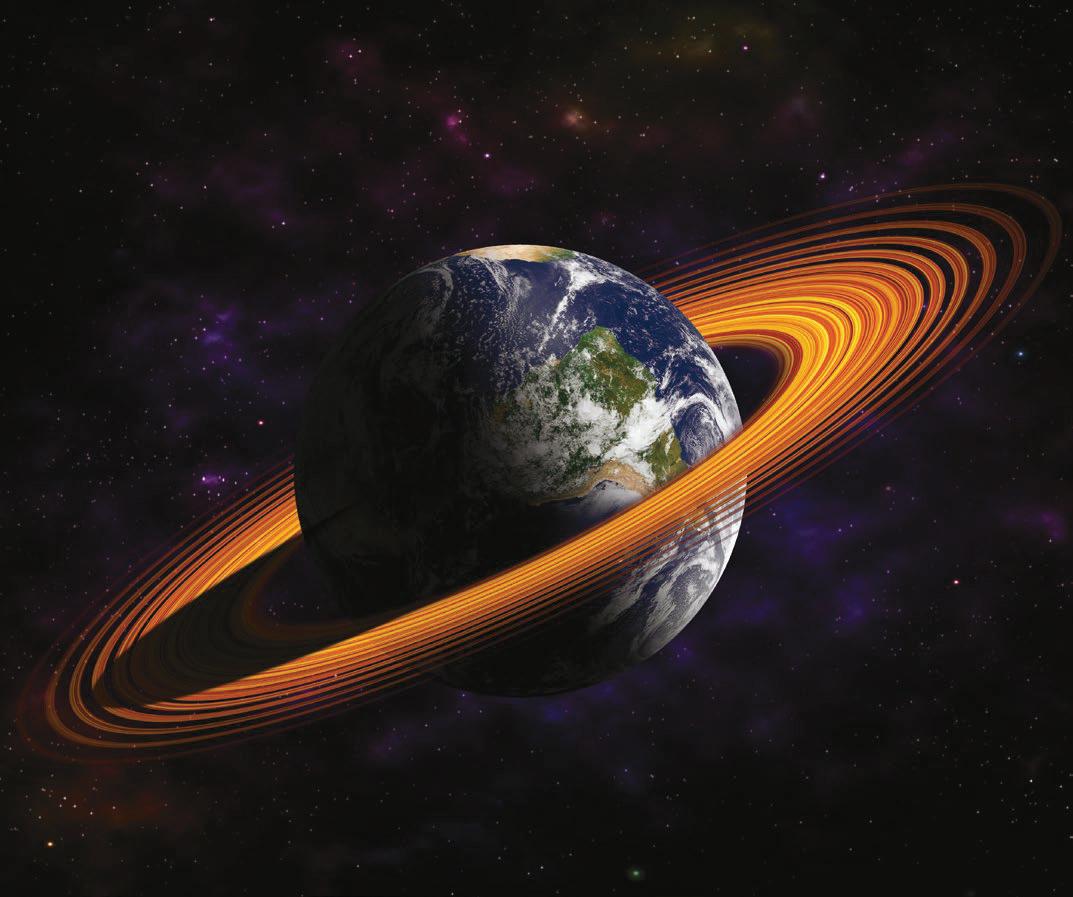
DID EARTH EVER HAVE RINGS?
Around 468 million years ago, Earth might have looked similar to Saturn. In a period of increased meteorite bombardment called the Ordovician impact event, Earth was subjected to countless impacts. In 2024, scientists from Monash University in Australia investigated 21 craters around the world with a hunch that a long-lost ring might be the source of these ancient meteorite strikes. What they discovered was that the craters all occurred on continents that, at the time of the Ordovician impact event, would have been within 30 degrees of the equator. The researchers concluded that the craters formed from impacts of rocky debris that came from a single asteroid that collided with Earth and broke apart. The resulting space rubble may have gathered as a ring of debris circling Earth’s equator, much like the rings around modern-day Saturn. Researchers estimate that the debris ring may have been around 7.7 miles wide, and over millions of years would have gradually fallen to Earth.
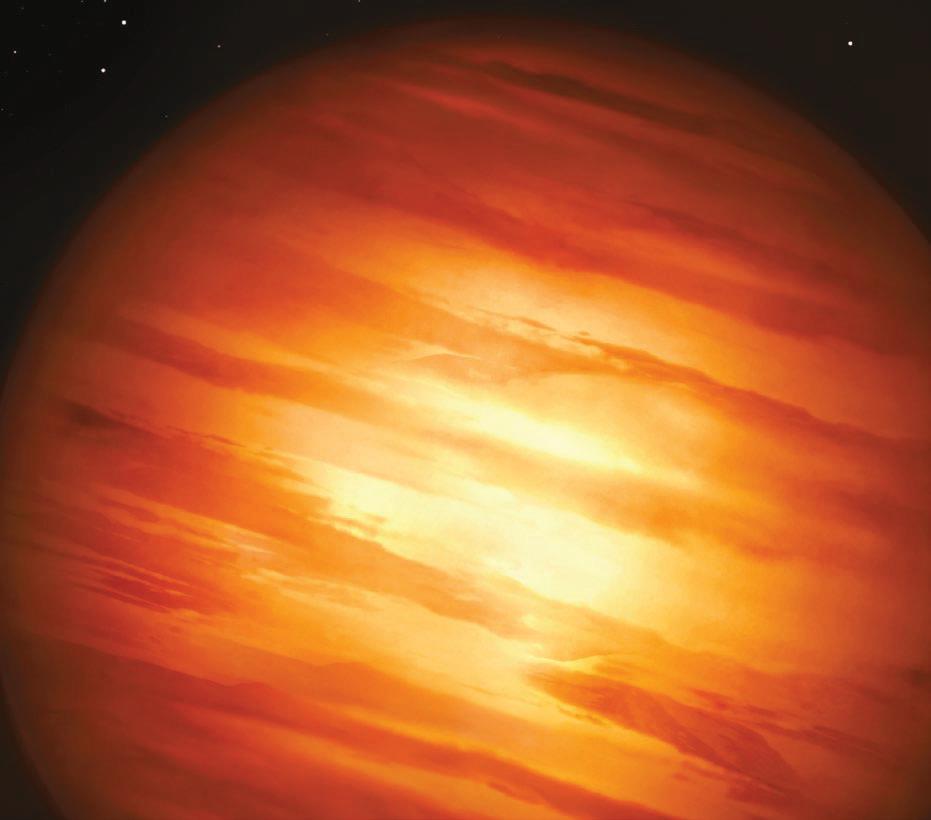 CAN STARS BECOME PLANETS?

Diese Geschichte stammt aus der Issue 205-Ausgabe von How It Works UK.
Abonnieren Sie Magzter GOLD, um auf Tausende kuratierter Premium-Geschichten und über 9.000 Zeitschriften und Zeitungen zuzugreifen.
Sie sind bereits Abonnent? Anmelden
WEITERE GESCHICHTEN VON How It Works UK

How It Works UK
FORMULA FAST
YOUR ULTIMATE GUIDE TO FORMULA ONE RACING

1 mins
Issue 212

How It Works UK
MY LIFE AS AN ASTHMANAUT
A CHILDREN'S BOOK ABOUT ASTHMA
1 min
Issue 212

How It Works UK
LYDIA LOVES BUGS
A SHORT AND SWEET STORY OF AN ENTHUSIASTIC ENTOMOLOGIST
1 min
Issue 212

How It Works UK
INSIDE A DRONE
Drones aren't just for the military any more. These flying marvels are now taking over our lives
3 mins
Issue 212
How It Works UK
WE CAN HEAR WITHOUT EARS
AND OTHER THINGS YOU DIDN'T KNOW WE PLANTS COULD DO
1 min
Issue 212

How It Works UK
DO GEESE GET GOOSEBUMPS?
Many animals experience a similar reaction when they feel cold or scared
2 mins
Issue 212
How It Works UK
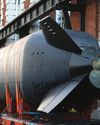
SUBMARINES WITHOUT SAILORS
Dive into the world of autonomous submarines and discover the mission that will see one sail around the world
4 mins
Issue 212
How It Works UK
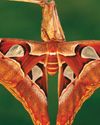
WHAT HAPPENS INSIDE A COCOON?
How certain species of insects transform from crawling caterpillars to flying moths and butterflies
3 mins
Issue 212

How It Works UK
HOW THE ROSE LOST ITS SCENT
From floral to fragranceless, there's a biological reason behind a rose's missing odour today
3 mins
Issue 212
How It Works UK
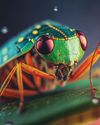
How many insects have been discovered so far?
The total number of named species is around a million.
7 mins
Issue 212
Listen
Translate
Change font size