
Mit Magzter GOLD unbegrenztes Potenzial nutzen
Erhalten Sie unbegrenzten Zugriff auf über 9.000 Zeitschriften, Zeitungen und Premium-Artikel für nur
Versuchen GOLD - Frei
10 PHENOMENA SCIENCE JUST CAN'T EXPLAIN
How It Works UK
|Issue 208
From strange lights in the sky to rocks that spontaneously glide across the ground, the mysteries scientists are trying to finally crack
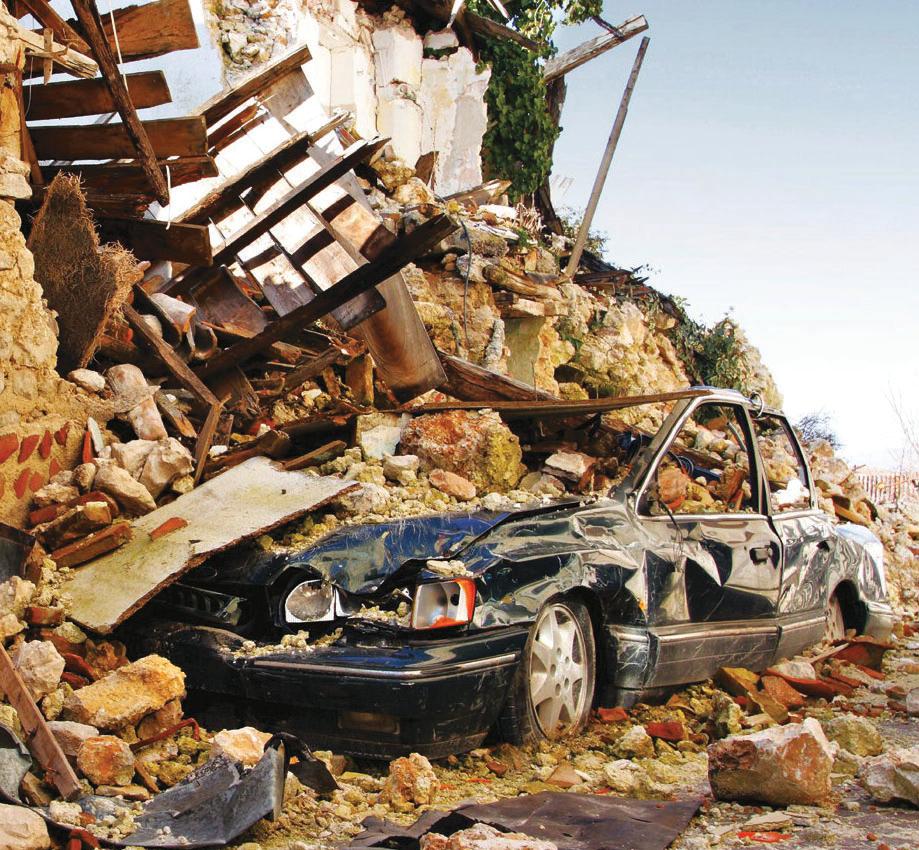
1 IMPOSSIBLE FOSSILS
The remains of long-dead creatures that crop up in the wrong places
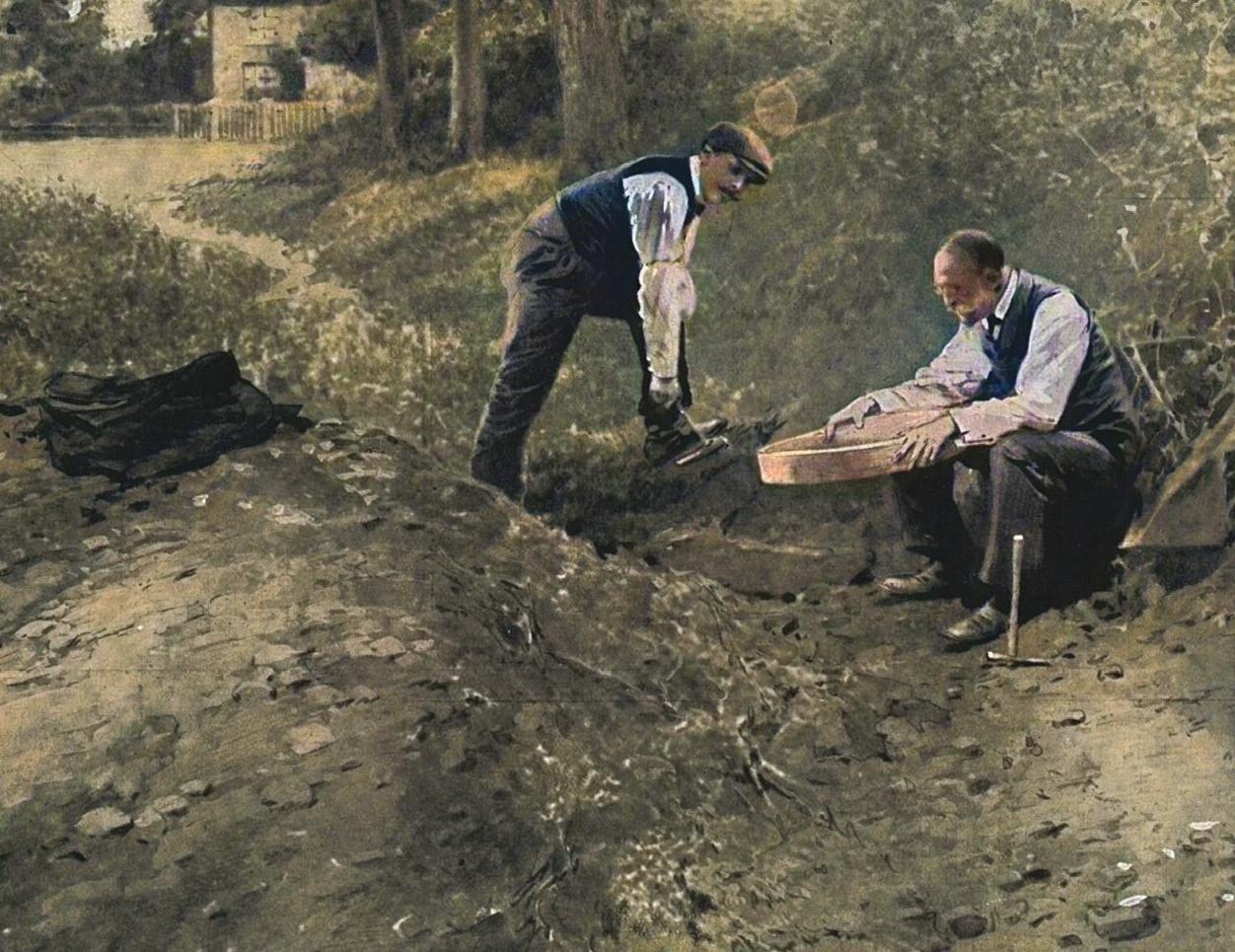 Since the theory of evolution emerged in the 19th century, scientists have been faced with some surprising discoveries that have seemed to defy it.
Perhaps the most puzzling have been fossils - in particular, human fossils - turning up in the 'wrong' places. Fossilised fingers and footprints uncovered in geographical regions and archaeological time zones they don't belong to have fuelled creationist arguments and forced scientists to defend Charles Darwin's widely accepted theory.
Some of these discoveries may yield new information about our ancestry, while others will undoubtedly be revealed as honest mistakes or, at worst, fakes. In one of the most famous examples of a fossil forgery, an apparently human skull was unearthed in the Sussex hamlet of Piltdown in the UK. From a series of finds starting in 1911, amateur archaeologist Charles Dawson pieced together fragments that were considered to be from a 500,000-year-old big-brained human, dubbed Piltdown Man. At first, Piltdown Man's oversized head led scientists to believe he was 'the missing link' between humans and apes. But by the 1950s, it had become clear that Piltdown Man was a hoax.
His apelike jaw was not just apelike – it once belonged to an ape and had been combined with a diseased human skull that radiocarbon dating revealed was less than 1,000 years old. Chemical analysis also showed that the skull was most likely stained to make it look older.
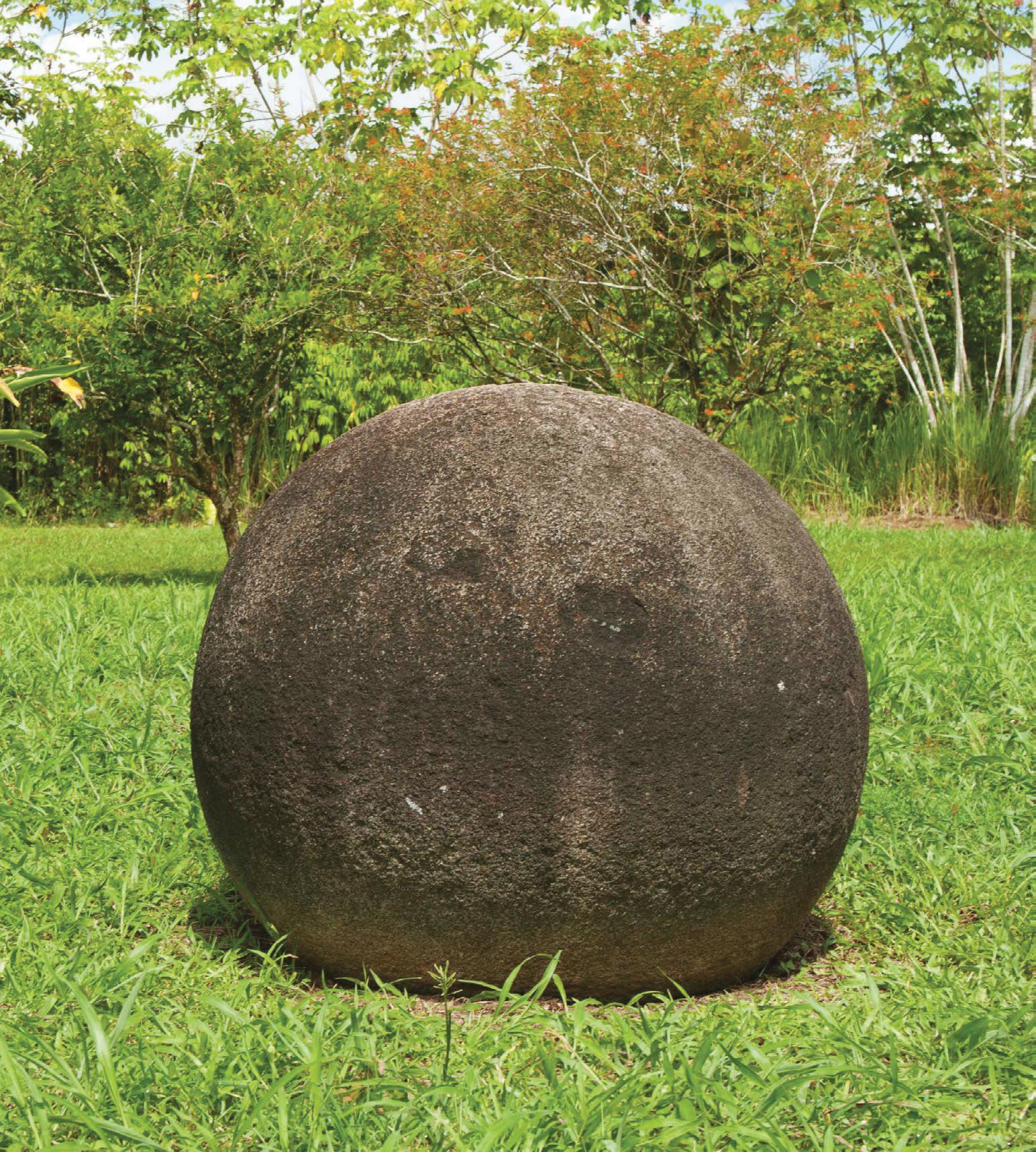 2 THE GREAT BALLS OF COSTA RICA
 Giant stone spheres whose purpose is unfathomable

Diese Geschichte stammt aus der Issue 208-Ausgabe von How It Works UK.
Abonnieren Sie Magzter GOLD, um auf Tausende kuratierter Premium-Geschichten und über 9.000 Zeitschriften und Zeitungen zuzugreifen.
Sie sind bereits Abonnent? Anmelden
WEITERE GESCHICHTEN VON How It Works UK
How It Works UK
SPACE MINING UNCOVERED
Asteroids rich in rare elements could be harvested for their valuable contents, but the real worth may be in using them as interplanetary fuel stations

2 mins
Issue 211

How It Works UK
WHY THINGS ROT
How dead plants and animals decay, and how living organisms rely on this natural process to survive
3 mins
Issue 211

How It Works UK
BOOZE, BEANS AND YOUR BODY
Caffeine and alcohol are two of the world's most common drugs. But what effects does drinking them have on our brains and bodies?
5 mins
Issue 211
How It Works UK
HOW TO CLEAN A SKYSCRAPER WINDOW
Discover how skilled window cleaners with nerves of steel tackle these towering glass facades
2 mins
Issue 211
How It Works UK
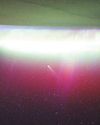
ASTRONAUTS SEE COMET LEMMON 'ABSORBED' BY AURORAE
For skywatchers, scientists and even the astronauts on the International Space Station (ISS), the skies have been active. The Sun has released its largest eruptions of 2025, sparking a series of aurorae that have reached as far south as Mexico. While astronauts on the ISS had to take shelter during the recent solar storms to avoid potentially dangerous radiation, they did manage to capture this image of Comet Lemmon appearing near the aurorae on Earth.
1 min
Issue 211
How It Works UK
HOW TO MAKE MAPLE SYRUP
Your favourite pancake topping is much more than just a sugary treat made in a factory
1 mins
Issue 211
How It Works UK
A high-fibre diet may ‘rejuvenate' immune cells that fight cancer
Microbes in the gut can help the immune system fight cancer, and a fibre-rich diet may be the key to unlocking those benefits, a study in mice suggests. The immune system is a key player in the body’s battle against cancer. On the front line of this resistance are CD8+ killer T cells, a type of immune cell that marauds around tumours and then exterminates the cancerous cells. But after each successive battle, these cells become worn out and don’t find tumours as effectively. As such, treatments that provide the cells with enough pep to finish their job are in high demand.
2 mins
Issue 211

How It Works UK
SEE THE BUTTERFLY NEBULA LIKE NEVER BEFORE
On 26 November 2025, the Gemini South telescope turned 25, and astronomers celebrated its birthday with a dazzling new image of the Butterfly Nebula.
1 min
Issue 211

How It Works UK
The Gulf of Suez is pulling apart
The Gulf of Suez, which partially divides Africa and Asia, may still be widening 5 million years after we thought it had stopped.
2 mins
Issue 211

How It Works UK
REMOTE ABILITIES
Infrared remotes are cheaper and more power-efficient than Bluetooth alternatives
1 mins
Issue 211
Listen
Translate
Change font size