
Mit Magzter GOLD unbegrenztes Potenzial nutzen
Erhalten Sie unbegrenzten Zugriff auf über 9.000 Zeitschriften, Zeitungen und Premium-Artikel für nur
'So many problems with the Anthropocene definition'
Down To Earth
|August 01, 2023
The world recently got closer to accepting that it is in the Anthropocene-the age of humans. On July 28, the Anthropocene Working Group, set up in 2009 by a UNESCO subcommission to assess geological "reality" and the most suitable timing of the epoch's beginning, announced 1950 to be the starting year. The group's study on a dozen sites found the presence of radionuclides, especially plutonium, in geological materials of early 1950s, showing the impact of nuclear tests by nations in the period, and indicating a date to mark the transformative effect humanity has had on Earth's ecology and climate. While the final acceptance of the Anthropocene Epoch is subject to its ratification at the International Geological Congress in South Korea next year, author AMITAV GHOSH is conflicted about the development. At the launch of his book, Smoke and Ashes: A Writer's Journey Through Opium's Hidden Histories, in Delhi, Ghosh talks to RAJAT GHAI about the problems in the framing of the issue, the narrowness of the definition, the missing voices and histories in the narrative, and his latest book. Excerpts:

As a chronicler of history, how do you see these efforts by scholars to define the geological epoch currently we are in after humans?
I have very complicated feelings about it. I understand in a sense why the Anthropocene Working Group (AWG) wanted to narrow the date down to one particular geological layer, to a certain stratum and in a particular place [Crawford Lake in Canada, which has accurately datable sediments showing plutonium's presence]. It's because they just wanted to make it as narrow as possible. Part of the reason people support this approach is because there is a sense that it might lead to greater political action or awareness of the problem. But I do feel that it is important to note that there have been several resignations from AWG over the narrowness of this definition because effectively, it ignores the prehistory of this problem which goes back three or four centuries to the invention of an extractivist economy, which is what my book The Nutmeg's Curse is about.
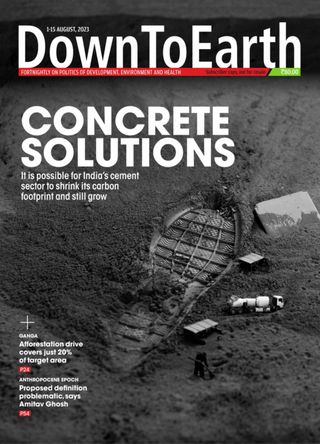

Diese Geschichte stammt aus der August 01, 2023-Ausgabe von Down To Earth.
Abonnieren Sie Magzter GOLD, um auf Tausende kuratierter Premium-Geschichten und über 9.000 Zeitschriften und Zeitungen zuzugreifen.
Sie sind bereits Abonnent? Anmelden
WEITERE GESCHICHTEN VON Down To Earth
Down To Earth
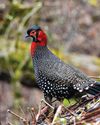
KING OF BIRDS
Revered for centuries, western tragopan now needs protection as its forests shrink, human pressures mount

3 mins
December 16, 2025

Down To Earth
WHISKERS ALL AQUIVER
Climate change threatens creatures that have weathered extreme environments for thousands of years
2 mins
December 16, 2025

Down To Earth
GOLDEN SPIRIT
Survival of the shy primate is closely tied to the health of Western Ghats
3 mins
December 16, 2025
Down To Earth
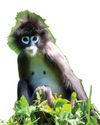
RINGED EYES IN THE CANOPY
Rapid habitat destruction forces arboreal langur to alter habits
2 mins
December 16, 2025

Down To Earth
HANGING BY THE CLIFF
The Himalaya's rarest wild goat is on the brink of local extinction
2 mins
December 16, 2025
Down To Earth
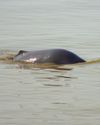
ANGEL OF THE BEAS
Conservation reserves, citizen science, and habitat protection give the Indus River dolphin a fighting chance in India
2 mins
December 16, 2025

Down To Earth
UNDER MOONLIT SCRUB
Survival of this hidden guardian tells us whether our scrublands still breathe
2 mins
December 16, 2025
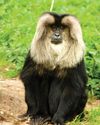
Down To Earth
SYMBOL OF SILENT VALLEY
Lion-tailed macaque remains vulnerable despite past victories
2 mins
December 16, 2025
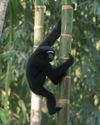
Down To Earth
THE APE IN OUR STORIES
India's only non-human ape species is a cultural icon threatened by forest fragmentation
2 mins
December 16, 2025
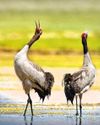
Down To Earth
SENTINEL OF THE HIGH COLD DESERT
The bird's evocative call may not continue to roll across the cold desert valley for long
3 mins
December 16, 2025
Translate
Change font size