Versuchen GOLD - Frei
Why it's so hard to kick a gambling addiction
BBC Science Focus
|January 2025
We now know that gambling can be as addictive as drugs, but there are factors that can make it even harder to quit
-
The International Classification of Diseases (ICD) is the text produced by the World Health Organization that summarises all the medical issues they recognise.
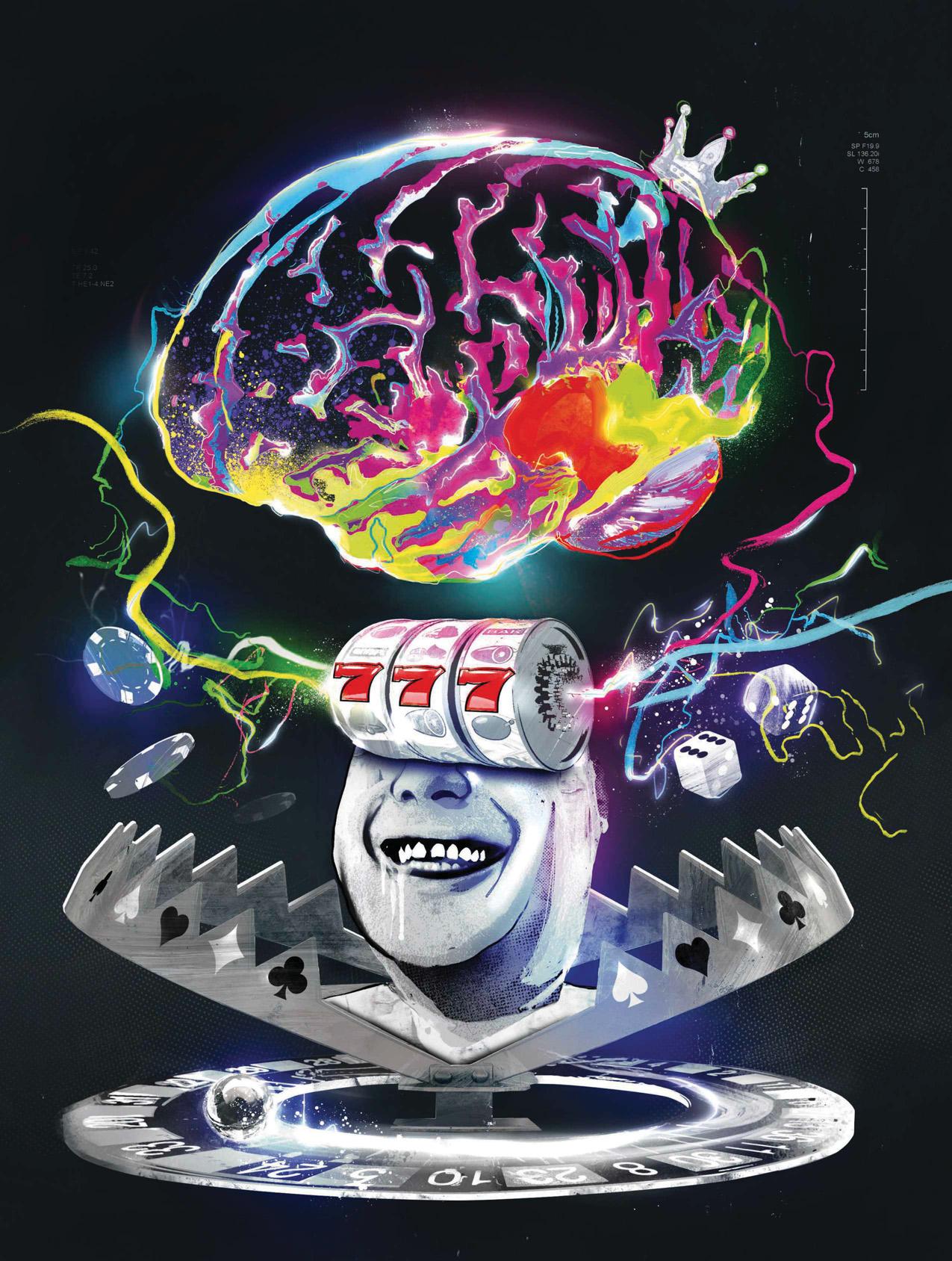
When the latest version, the ICD-11, was produced, the section concerning addictive disorders included a category for addictive behaviours. It's now medically recognised that people can become addicted to specific actions and not just substances. Chief among these behaviours is gambling.
Gambling addiction is undoubtedly a real thing and a big problem. Hence the UK government bringing in measures to hopefully curb, or at least reduce, the harm it does.
But how do people end up addicted to gambling? And why is it often so difficult to treat compared to more 'typical' substance-based addictions?
The 'how' is relatively straightforward. The primary appeal of gambling is essentially obtaining large amounts of money for next-to-no effort. When it comes to making decisions, the human brain is constantly weighing up effort against potential reward. If something ends up being heavily skewed towards the latter (for example paying a small amount of money to receive a large amount in return), we tend to really approve of it.

Diese Geschichte stammt aus der January 2025-Ausgabe von BBC Science Focus.
Abonnieren Sie Magzter GOLD, um auf Tausende kuratierter Premium-Geschichten und über 9.000 Zeitschriften und Zeitungen zuzugreifen.
Sie sind bereits Abonnent? Anmelden
WEITERE GESCHICHTEN VON BBC Science Focus
BBC Science Focus
HEALTH: Eating oats could lower your cholesterol in just two days
The health benefits of a two-day porridge diet lasted for weeks afterwards

1 mins
April 2026

BBC Science Focus
Most people are too sure they can identify fake human faces
Even 'super recognisers' struggle with the challenge. Can you do better?
1 min
April 2026

BBC Science Focus
WHAT'S THE WORST THING YOU CAN DO FOR THE PLANET ONLINE?
Human beings can barely move a muscle without some kind of deleterious effect on the environment around us.
2 mins
April 2026
BBC Science Focus
A bug in the system
The complex arrangement of equipment you see here is part of a particle accelerator.
1 min
April 2026
BBC Science Focus
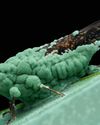
Snug as a bug in a rug
At first glance, you might feel envious of this little leafhopper, swaddled beneath the folds of what appears to be a luxurious fur blanket.
1 min
April 2026
BBC Science Focus
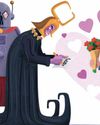
WHY DO WE ROOT FOR THE VILLAIN IN MOVIES?
Whether it's Darth Vader or Cruella de Vil, we all have a favourite movie villain.
1 mins
April 2026
BBC Science Focus
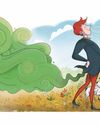
A TURN TO DISPERSE
Why a fart walk after dinner does more than release your gas
3 mins
April 2026
BBC Science Focus
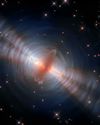
Hatching a nebula
Welcome to the Egg Nebula, an enigmatic structure formed by ejected stardust in the Cygnus constellation around 1,000 light-years from Earth.
1 min
April 2026
BBC Science Focus
7 TIMES AI GOT IT SPECTACULARLY WRONG
For the past four years, AI has been reshaping how we work and live. But its failures are proving just as transformative as its triumphs
8 mins
April 2026
BBC Science Focus
CHARLES ADCOCK, VIA EMAIL: COULD DARK MATTER BE ALL AROUND PLANET EARTH BUT UNDETECTABLE?
Astronomers have gathered overwhelming evidence that 80 per cent of all matter in the Universe is invisible.
1 min
April 2026
Listen
Translate
Change font size