Versuchen GOLD - Frei
THE BIRDS THAT TOOK OVER FROM THE DINOSAURS
BBC Science Focus
|July 2026
We tend to think that mammals took over after the fateful asteroid wiped out the dinosaurs, but for millions of years following the impact, fearsome birds ruled Earth
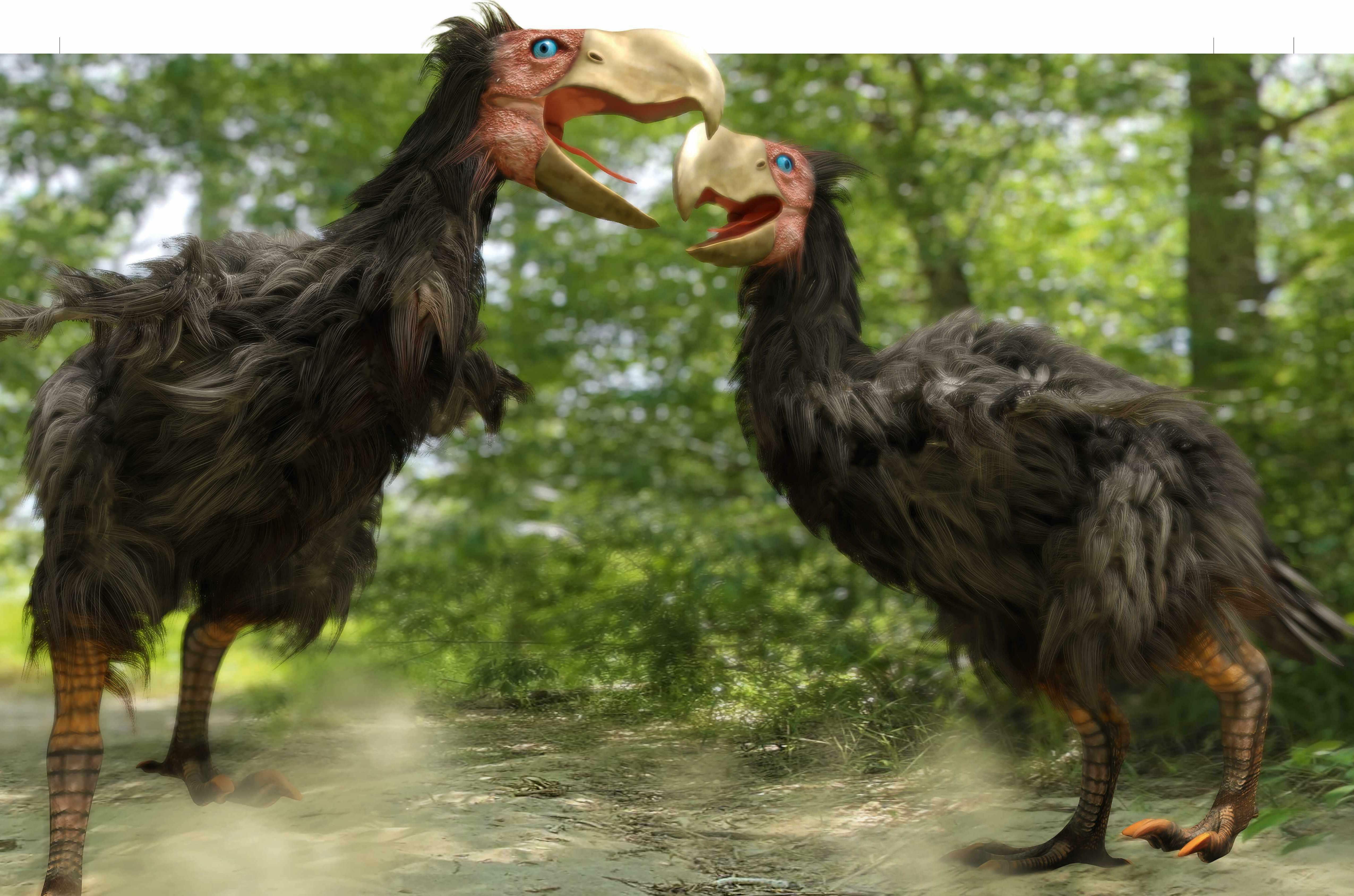
Tyrannosaurus, Triceratops and many colossal, long-necked and duck-billed dinosaurs were there on that fateful day 66 million years ago when a 10km-wide (six mile) asteroid crashed into the Gulf of Mexico. The impact triggered a mass extinction, wiping out 75 per cent of all species on the planet.
The only dinosaurs fortunate enough to survive this catastrophe were birds. And as Earth slowly healed, some of them evolved to fill ecological niches left behind by their dead dinosaur cousins and ancestors. Some in a spectacularly terrifying fashion.
Here is a selection of the most fearsome birds that ruled Earth after the dinosaurs were wiped out.
 TERROR BIRDS
THESE GIANT PREDATORS WERE AS FEARED AS THEY WERE FUNNY-LOOKING
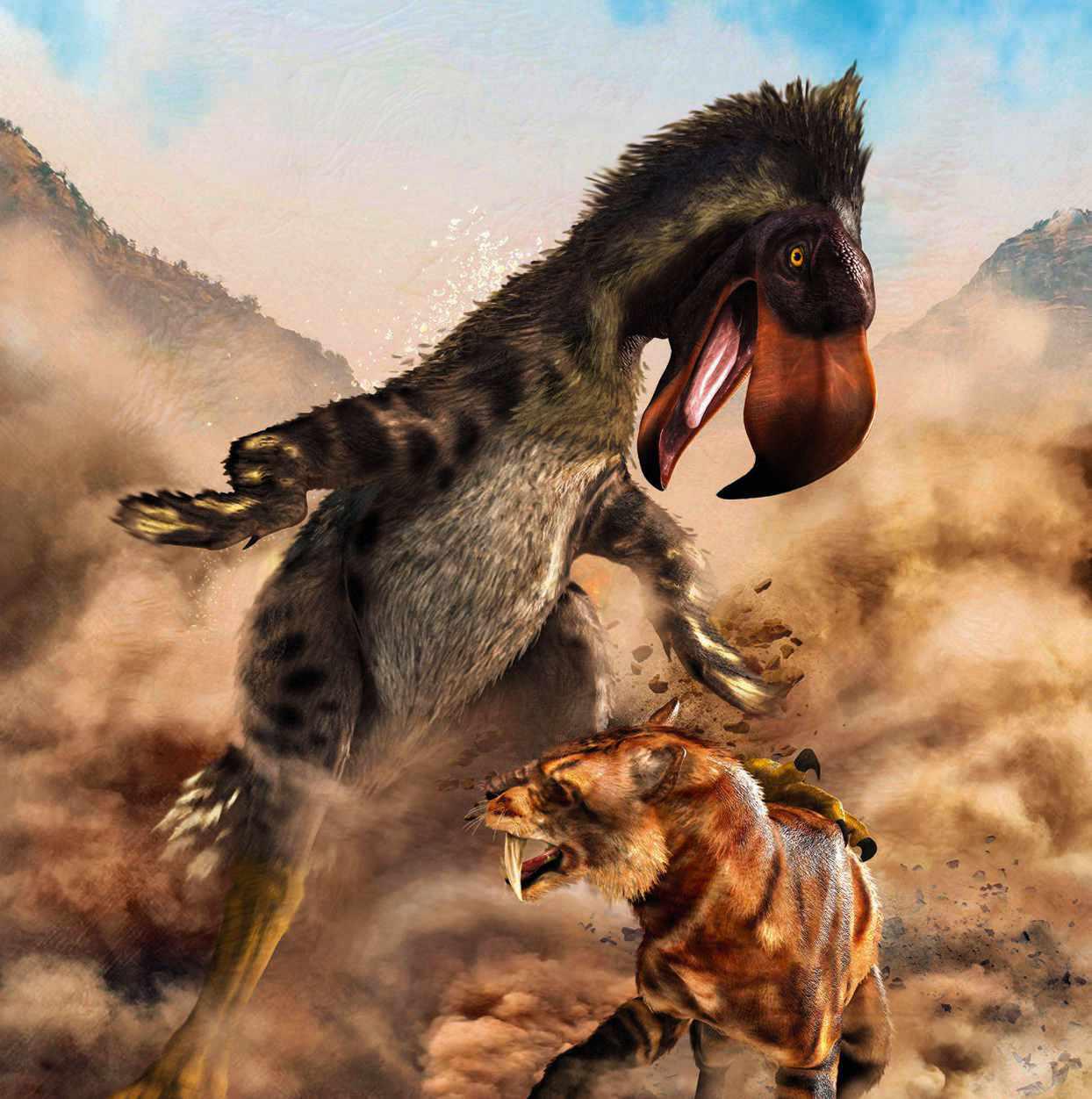
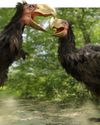
For tens of millions of years after the asteroid hit, South America stood alone, an island continent unconnected to the wider world. Ruling this land were enormous flightless birds that were a mix of funny and fearsome.
They had comically small arms, but ferocious claws on their feet; their heads were cartoonishly large and capped with flesh-slicing beaks. Scientists call them the phorusrhacids, but their nickname better evokes their personality: terror birds.
They were, in essence, Tyrannosaurus rex reborn: huge predators that topped the food chain. The largest terror birds, like Kelenken from Argentina, were 3m tall (almost 10ft) and weighed over 350kg (770lbs). They sprinted at breakneck speed, chasing down marsupial mammals and other prey, first subduing them with their kickboxer feet and then pummelling them into submission with their razor-sharp beaks.

Diese Geschichte stammt aus der July 2026-Ausgabe von BBC Science Focus.
Abonnieren Sie Magzter GOLD, um auf Tausende kuratierter Premium-Geschichten und über 9.000 Zeitschriften und Zeitungen zuzugreifen.
Sie sind bereits Abonnent? Anmelden
WEITERE GESCHICHTEN VON BBC Science Focus

BBC Science Focus
THE US IS USING TO AI APPROVE AND DENY MEDICAL CARE. HERE'S WHAT THAT MEANS
An AI pilot programme is attempting to cut down on 'wasteful' medical procedures, and patients are paying the price

10 mins
July 2026

BBC Science Focus
CAN YOUR THYROID MAKE YOU A NARCISSIST?
Shaped like a butterfly, the thyroid sits at the bottom of your neck, just in front of your windpipe.
2 mins
July 2026

BBC Science Focus
NEW & IMPROVED RECIPES! SAME GREAT FLAVOUR!
Weight-loss drugs can be life-changing for people who are trying to slim down.
8 mins
July 2026

BBC Science Focus
25 Small changes that make a big G difference to YOUR DEMENTIA RISK
The way you choose to live helps define your brain health in later life. Here we list some of the behaviours that scientists believe will keep your head in the game
10 mins
July 2026
BBC Science Focus
THE BIRDS THAT TOOK OVER FROM THE DINOSAURS
We tend to think that mammals took over after the fateful asteroid wiped out the dinosaurs, but for millions of years following the impact, fearsome birds ruled Earth
7 mins
July 2026

BBC Science Focus
WHAT DOES MY MUSIC TASTE SAY ABOUT MY INTELLIGENCE?
A 2026 study by psychologists in Germany and Switzerland tried to answer this question by comparing listening data from 185 adults with their scores from online tests of general cognitive ability.
1 mins
July 2026

BBC Science Focus
WHAT EVERYONE GOT WRONG ABOUT FERRARI'S ELECTRIC CAR
THE UNVEILING OF THE LUCE SPARKED OUTRAGE. THAT KNEE-JERK REACTION MISSES THE POINT OF THIS GROUND-BREAKING CAR
3 mins
July 2026

BBC Science Focus
WHY ARE MORE OLDER PEOPLE DYING AFTER FALLS?
Taking a tumble isn't always deadly.
1 mins
July 2026
BBC Science Focus
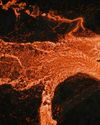
Here be dragons LITLI-HRÚTUR, ICELAND
Dragons are a symbol of luck in Chinese culture, and it doesn’t take much imagination to see one in this shot of molten lava blazing across Iceland’s Reykjanes Peninsula.
1 min
July 2026
BBC Science Focus
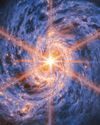
New NASA photo shows the full power of a supermassive black hole
This remarkable image reveals why the ‘squid galaxy’ is so bright
1 min
July 2026
Listen
Translate
Change font size