Versuchen GOLD - Frei
SHOCK THERAPY
BBC Science Focus
|September 2025
Can a wearable neuromodulation device that delivers small electric shocks banish anxiety?

There are many things I dislike about anxiety, but one of the worst things is that it's an ambush predator.
I can be having a good day, week or month and then, all of a sudden, I'm not. Anxiety strikes and for no obvious reason, the panic attacks return and my mind scrambles.
I've had generalised anxiety disorder for nearly a decade. I've tried the antidepressant sertraline, cognitive behavioural therapy, herbal remedies, exercise, meditation, rhythmic breathing and sobriety. The anxiety is manageable, but it's never fully left and sharper episodes occur every few months. I'm resigned to living with it, but recently I've tried something new: mild electric shocks.
A clip round the ear
As I write this, clipped to my left ear is a small electrode, which is attached to a device about the size of an iPod (remember those?). The device is a Nurosym. It has a few simple controls that let me adjust the strength of the electric shocks. It's a weird sensation. Not a burn, but not a tickle either – it's a buzz. It feels like a current, probably because that's exactly what it is: a mild electric current that's finding its way from my ear to my brain via my vagus nerve.
Maybe you've heard of the vagus nerve. It's become something of an anatomical celebrity, piquing the interest of researchers and wellness enthusiasts alike. The nerve, sometimes described as a superhighway between the brain and other organs, plays a key role in the parasympathetic nervous system, which controls our 'rest and digest' mode - the opposite of fight or flight.
To put it simply, the vagus nerve calms you down.

Diese Geschichte stammt aus der September 2025-Ausgabe von BBC Science Focus.
Abonnieren Sie Magzter GOLD, um auf Tausende kuratierter Premium-Geschichten und über 9.000 Zeitschriften und Zeitungen zuzugreifen.
Sie sind bereits Abonnent? Anmelden
WEITERE GESCHICHTEN VON BBC Science Focus

BBC Science Focus
DOES MY DOG HAVE ADHD?
Officially, Attention-Deficit Hyperactivity Disorder (ADHD) is a human condition. People are diagnosed with it. Dogs are not. Yet many of its core features, including hyperactivity, impulsivity and distractibility, can be found in dogs.

1 min
March 2026
BBC Science Focus
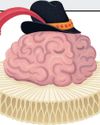
DOES MY BRAIN LIVE A LITTLE IN THE PAST?
Yes, your brain does live a little in the past. It can't help it. The information it receives via your senses is always a little out of date. Whether it's light entering the retinas in your eyes, or sounds vibrating the hairs in your ears, it not only takes time for the data to arrive, but your brain then has to process it.
2 mins
March 2026

BBC Science Focus
ASTRONOMY FOR BEGINNERS
RETURN OF THE EVENING STAR (VENUS)
1 mins
March 2026

BBC Science Focus
CAN YOU STOP YOUR SENSE OF TASTE DULLING AS YOU AGE?
Sometimes I hear people say that food just doesn't taste the same as they get older. It's tempting to blame this on age, but there are other factors at play, too.
1 mins
March 2026
BBC Science Focus
MICROBIOMES OF THE SUPERAGERS
BY STUDYING THE INCREASING NUMBER OF PEOPLE WHO ARE LIVING BEYOND THEIR 100TH BIRTHDAYS, SCIENTISTS ARE DISCOVERING THAT THE SECRET TO REACHING A RIPE OLD AGE IN RUDE HEALTH MIGHT LIE IN OUR GUTS
8 mins
March 2026

BBC Science Focus
HOW BIG WERE MEDIEVAL WAR HORSES?
You might picture knights charging into battle on towering steeds, but medieval horses were typically no bigger than modern-day ponies.
1 min
March 2026
BBC Science Focus
FORCES OF HABIT
Could new research on setting up healthy habits resuscitate those stuttering New Year resolutions?
3 mins
March 2026

BBC Science Focus
5 DANGERS HIDING IN YOUR PROCESSED FOOD
We all know that ultra-processed foods are bad for us, but what ingredients should we particularly try to avoid? And what are they doing to our bodies?
9 mins
March 2026
BBC Science Focus
Mosquitoes are becoming thirstier for human blood
Habitat loss may be pushing mosquitoes towards human hosts with deadly consequences
1 mins
March 2026

BBC Science Focus
HOW CAN I GET OVER MY EX?
Relationship breakups can be brutal, just look at the popularity of songs like 'Someone Like You' by Adele, or all the covers of 'Cry Me a River' by Julie London.
1 mins
March 2026
Listen
Translate
Change font size