
Mit Magzter GOLD unbegrenztes Potenzial nutzen
Erhalten Sie unbegrenzten Zugriff auf über 9.000 Zeitschriften, Zeitungen und Premium-Artikel für nur
Versuchen GOLD - Frei
Do pheromones control human attraction?
BBC Science Focus
|September 2025
Could invisible chemical signals sway our behaviour, or who we're attracted to - all without us knowing?
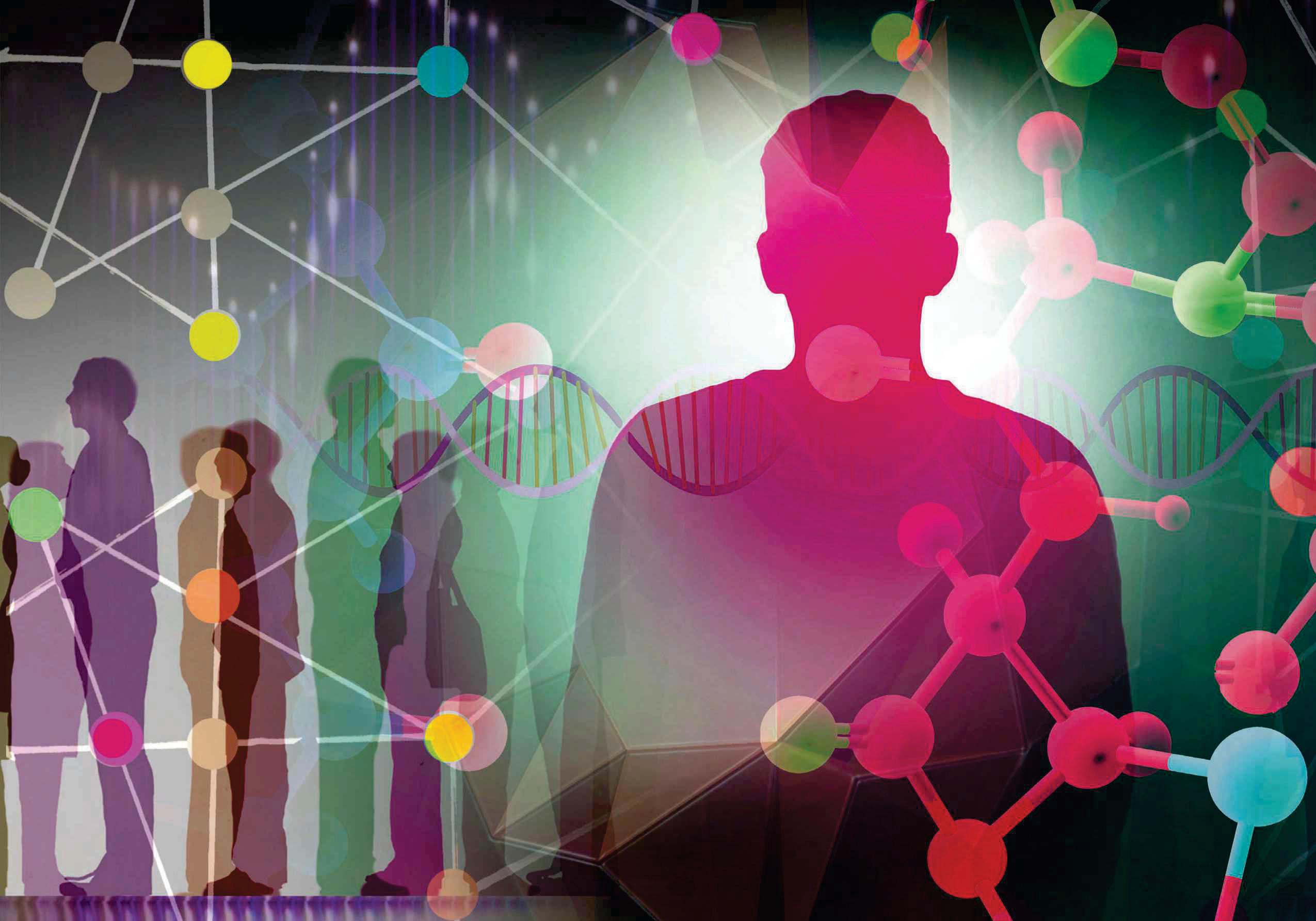
The idea that humans might communicate through chemical signals called pheromones has captivated scientists and the public for decades, inspiring countless studies in search of proof. In animals, pheromones are well understood. Ants follow chemical trails to navigate and communicate, dogs mark their territory with scent signals, and moths release airborne pheromones to attract mates.
But whether humans do the same is trickier question. Could someone really trigger a physical or emotional reaction in another person without them even realising? Could it tip the scales of attraction? After more than 60 years of searching, the answer remains elusive – though new findings suggest we may finally be closing in on it.
FIRST WHIFFS
In 1959, Adolf Butenandt and his team discovered the first pheromone, bombykol, a chemical released by female silkworm moths to attract males. Soon after, scientists coined the term ‘pheromone’ to describe a chemical signal released by one individual that triggers a specific response in another member of the same species. The floodgates were then opened to hunt for human equivalents.
One of the first high-profile human pheromone claims came in 1971, when Martha McClintock published a study reporting that the menstrual cycles of 135 women in a university dormitory appeared to synchronise over the year. The phenomenon became known as the ‘McClintock effect’ and was widely claimed as evidence of a human pheromone. The finding crumbled under scrutiny, however, as other studies failed to replicate it and scientists showed that apparent synchrony can arise by chance.

Diese Geschichte stammt aus der September 2025-Ausgabe von BBC Science Focus.
Abonnieren Sie Magzter GOLD, um auf Tausende kuratierter Premium-Geschichten und über 9.000 Zeitschriften und Zeitungen zuzugreifen.
Sie sind bereits Abonnent? Anmelden
WEITERE GESCHICHTEN VON BBC Science Focus

BBC Science Focus
DOES MY DOG HAVE ADHD?
Officially, Attention-Deficit Hyperactivity Disorder (ADHD) is a human condition. People are diagnosed with it. Dogs are not. Yet many of its core features, including hyperactivity, impulsivity and distractibility, can be found in dogs.

1 min
March 2026

BBC Science Focus
DOES MY BRAIN LIVE A LITTLE IN THE PAST?
Yes, your brain does live a little in the past. It can't help it. The information it receives via your senses is always a little out of date. Whether it's light entering the retinas in your eyes, or sounds vibrating the hairs in your ears, it not only takes time for the data to arrive, but your brain then has to process it.
2 mins
March 2026

BBC Science Focus
ASTRONOMY FOR BEGINNERS
RETURN OF THE EVENING STAR (VENUS)
1 mins
March 2026

BBC Science Focus
CAN YOU STOP YOUR SENSE OF TASTE DULLING AS YOU AGE?
Sometimes I hear people say that food just doesn't taste the same as they get older. It's tempting to blame this on age, but there are other factors at play, too.
1 mins
March 2026
BBC Science Focus
MICROBIOMES OF THE SUPERAGERS
BY STUDYING THE INCREASING NUMBER OF PEOPLE WHO ARE LIVING BEYOND THEIR 100TH BIRTHDAYS, SCIENTISTS ARE DISCOVERING THAT THE SECRET TO REACHING A RIPE OLD AGE IN RUDE HEALTH MIGHT LIE IN OUR GUTS
8 mins
March 2026

BBC Science Focus
HOW BIG WERE MEDIEVAL WAR HORSES?
You might picture knights charging into battle on towering steeds, but medieval horses were typically no bigger than modern-day ponies.
1 min
March 2026

BBC Science Focus
FORCES OF HABIT
Could new research on setting up healthy habits resuscitate those stuttering New Year resolutions?
3 mins
March 2026

BBC Science Focus
5 DANGERS HIDING IN YOUR PROCESSED FOOD
We all know that ultra-processed foods are bad for us, but what ingredients should we particularly try to avoid? And what are they doing to our bodies?
9 mins
March 2026

BBC Science Focus
Mosquitoes are becoming thirstier for human blood
Habitat loss may be pushing mosquitoes towards human hosts with deadly consequences
1 mins
March 2026

BBC Science Focus
HOW CAN I GET OVER MY EX?
Relationship breakups can be brutal, just look at the popularity of songs like 'Someone Like You' by Adele, or all the covers of 'Cry Me a River' by Julie London.
1 mins
March 2026
Listen
Translate
Change font size