
Mit Magzter GOLD unbegrenztes Potenzial nutzen
Erhalten Sie unbegrenzten Zugriff auf über 9.000 Zeitschriften, Zeitungen und Premium-Artikel für nur
Versuchen GOLD - Frei
BUILD A BETTER HOME
BBC Science Focus
|January 2025
BRITAIN'S NEW BUILDING REGULATIONS ARE INTENDED TO FUTURE-PROOF THE COUNTRY'S NEW HOUSING STOCK. BUT WHAT CAN WE DO TO MAKE THE NATION'S EXISTING HOUSING MORE EFFICIENT, MORE ENVIRONMENTALLY FRIENDLY AND BETTER TO LIVE IN? by

The UK needs more houses. Demand is outstripping supply and it's driving up prices, making affordable housing harder to come by. That's just one of the reasons behind the government's intention to build 1.5 million new homes over the next five years.
But as of 2025, the UK's Future Homes Standard comes into effect, which requires all newly built homes to be more energy efficient and produce 75-80-per-cent fewer emissions than those built under the 2013 regulations.
Builders plan to meet the new regulations by orienting homes to maximise natural light, using low-carbon materials like cross laminated timber (which captures carbon dioxide - CO₂- while it grows, emitting less CO₂ than concrete to produce), and integrating renewable energy systems such as solar panels and heat pumps. Advanced ventilation systems and airtight constructions will also help new houses minimise energy loss while maintaining indoor air quality. Rainwater harvesting systems and recycling greywater (water from baths, showers, sinks and appliances such as washing machines and dishwashers) will further help with sustainability.
But what if you already have a house? One that's a little older, but could potentially benefit from some new additions to make it more energy efficient, more economical to run, more environmentally friendly and more healthy to live in? Whether it's lowering bills or doing your bit for the planet, retrofitting your home - upgrading your existing building's structure and systems can have a positive effect. Poor insulation, outdated heating systems and damp issues not only waste energy, but can also lead to respiratory illnesses and higher household expenses.

Diese Geschichte stammt aus der January 2025-Ausgabe von BBC Science Focus.
Abonnieren Sie Magzter GOLD, um auf Tausende kuratierter Premium-Geschichten und über 9.000 Zeitschriften und Zeitungen zuzugreifen.
Sie sind bereits Abonnent? Anmelden
WEITERE GESCHICHTEN VON BBC Science Focus

BBC Science Focus
DOES MY DOG HAVE ADHD?
Officially, Attention-Deficit Hyperactivity Disorder (ADHD) is a human condition. People are diagnosed with it. Dogs are not. Yet many of its core features, including hyperactivity, impulsivity and distractibility, can be found in dogs.

1 min
March 2026

BBC Science Focus
DOES MY BRAIN LIVE A LITTLE IN THE PAST?
Yes, your brain does live a little in the past. It can't help it. The information it receives via your senses is always a little out of date. Whether it's light entering the retinas in your eyes, or sounds vibrating the hairs in your ears, it not only takes time for the data to arrive, but your brain then has to process it.
2 mins
March 2026
BBC Science Focus
ASTRONOMY FOR BEGINNERS
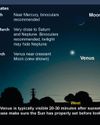
RETURN OF THE EVENING STAR (VENUS)
1 mins
March 2026

BBC Science Focus
CAN YOU STOP YOUR SENSE OF TASTE DULLING AS YOU AGE?
Sometimes I hear people say that food just doesn't taste the same as they get older. It's tempting to blame this on age, but there are other factors at play, too.
1 mins
March 2026

BBC Science Focus
MICROBIOMES OF THE SUPERAGERS
BY STUDYING THE INCREASING NUMBER OF PEOPLE WHO ARE LIVING BEYOND THEIR 100TH BIRTHDAYS, SCIENTISTS ARE DISCOVERING THAT THE SECRET TO REACHING A RIPE OLD AGE IN RUDE HEALTH MIGHT LIE IN OUR GUTS
8 mins
March 2026

BBC Science Focus
HOW BIG WERE MEDIEVAL WAR HORSES?
You might picture knights charging into battle on towering steeds, but medieval horses were typically no bigger than modern-day ponies.
1 min
March 2026

BBC Science Focus
FORCES OF HABIT
Could new research on setting up healthy habits resuscitate those stuttering New Year resolutions?
3 mins
March 2026

BBC Science Focus
5 DANGERS HIDING IN YOUR PROCESSED FOOD
We all know that ultra-processed foods are bad for us, but what ingredients should we particularly try to avoid? And what are they doing to our bodies?
9 mins
March 2026

BBC Science Focus
Mosquitoes are becoming thirstier for human blood
Habitat loss may be pushing mosquitoes towards human hosts with deadly consequences
1 mins
March 2026

BBC Science Focus
HOW CAN I GET OVER MY EX?
Relationship breakups can be brutal, just look at the popularity of songs like 'Someone Like You' by Adele, or all the covers of 'Cry Me a River' by Julie London.
1 mins
March 2026
Listen
Translate
Change font size