Versuchen GOLD - Frei
ALL EYES ON YOU
BBC Science Focus
|December 2025
Social anxiety isn't only psychological. New research is revealing its biological roots – and how to reset them
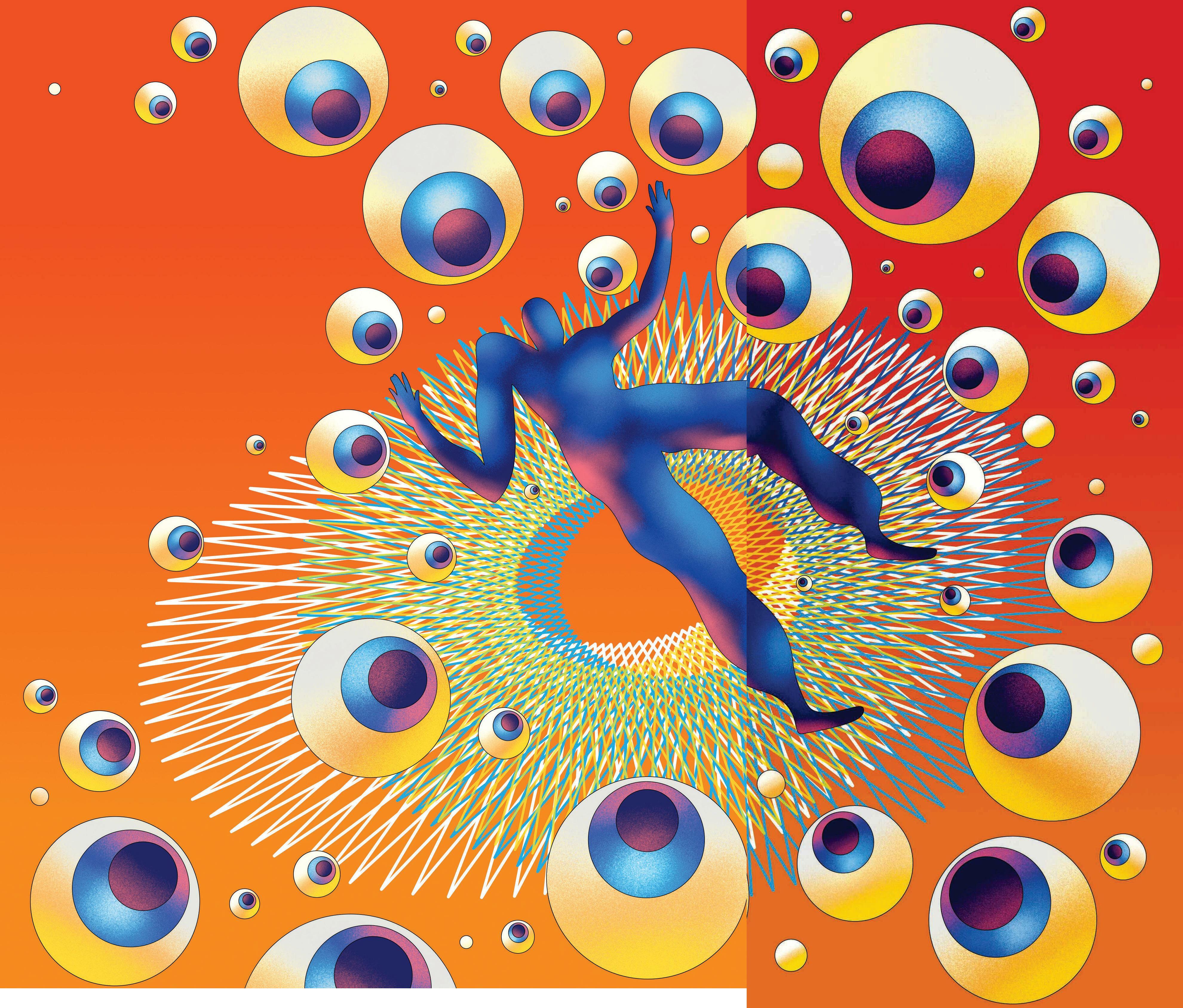
My first signs of social anxiety emerged when I was around six years old. I'd been invited, at the last minute, to the birthday party of a boy in my class. When I arrived, his older brother noticed that I was shaking.
He asked if I was shy. “I’m just cold,” I told him, even though it was the middle of spring. He looked doubtful as he took my arm and led me into their living room.
My parents hoped that those fears would leave me as I grew up, but they continued well into adulthood. The shaking may have stopped, but my mouth would go dry and I'd blush heavily whenever I had to speak in a team meeting.
Such experiences are surprisingly common. The UK’s National Institute for Health and Care Excellence (NICE) estimates that around 12 per cent of people will experience social anxiety disorder at some point in their lives, making it the most prevalent form of anxiety.
For a long time, it was seen as something purely in the mind - the anxiety being a reflection of personality, rather than biology. But researchers are starting to see it differently. New studies suggest that the condition may be rooted in changes within the brain, and even the gut, offering clues not just to how social anxiety begins, but how it could be managed or reversed.
ANATOMY OF ANXIETY
Before we begin exploring this new science, it’s worth defining our terms. Almost everyone feels a little shy from time to time, but social anxiety disorder is 'an overwhelming fear of social situations', according to NICE guidelines.
People with social anxiety, these guidelines say, are afraid of doing or saying something that will result in embarrassment, humiliation or rejection by others. They may worry about blushing, sweating, shaking or appearing nervous - or fear seeming boring, foolish or strange. Many also fret about talking too much or too little when anxious.

Diese Geschichte stammt aus der December 2025-Ausgabe von BBC Science Focus.
Abonnieren Sie Magzter GOLD, um auf Tausende kuratierter Premium-Geschichten und über 9.000 Zeitschriften und Zeitungen zuzugreifen.
Sie sind bereits Abonnent? Anmelden
WEITERE GESCHICHTEN VON BBC Science Focus

BBC Science Focus
DOES MY DOG HAVE ADHD?
Officially, Attention-Deficit Hyperactivity Disorder (ADHD) is a human condition. People are diagnosed with it. Dogs are not. Yet many of its core features, including hyperactivity, impulsivity and distractibility, can be found in dogs.

1 min
March 2026

BBC Science Focus
DOES MY BRAIN LIVE A LITTLE IN THE PAST?
Yes, your brain does live a little in the past. It can't help it. The information it receives via your senses is always a little out of date. Whether it's light entering the retinas in your eyes, or sounds vibrating the hairs in your ears, it not only takes time for the data to arrive, but your brain then has to process it.
2 mins
March 2026

BBC Science Focus
ASTRONOMY FOR BEGINNERS
RETURN OF THE EVENING STAR (VENUS)
1 mins
March 2026

BBC Science Focus
CAN YOU STOP YOUR SENSE OF TASTE DULLING AS YOU AGE?
Sometimes I hear people say that food just doesn't taste the same as they get older. It's tempting to blame this on age, but there are other factors at play, too.
1 mins
March 2026
BBC Science Focus
MICROBIOMES OF THE SUPERAGERS
BY STUDYING THE INCREASING NUMBER OF PEOPLE WHO ARE LIVING BEYOND THEIR 100TH BIRTHDAYS, SCIENTISTS ARE DISCOVERING THAT THE SECRET TO REACHING A RIPE OLD AGE IN RUDE HEALTH MIGHT LIE IN OUR GUTS
8 mins
March 2026

BBC Science Focus
HOW BIG WERE MEDIEVAL WAR HORSES?
You might picture knights charging into battle on towering steeds, but medieval horses were typically no bigger than modern-day ponies.
1 min
March 2026

BBC Science Focus
FORCES OF HABIT
Could new research on setting up healthy habits resuscitate those stuttering New Year resolutions?
3 mins
March 2026

BBC Science Focus
5 DANGERS HIDING IN YOUR PROCESSED FOOD
We all know that ultra-processed foods are bad for us, but what ingredients should we particularly try to avoid? And what are they doing to our bodies?
9 mins
March 2026
BBC Science Focus
Mosquitoes are becoming thirstier for human blood
Habitat loss may be pushing mosquitoes towards human hosts with deadly consequences
1 mins
March 2026

BBC Science Focus
HOW CAN I GET OVER MY EX?
Relationship breakups can be brutal, just look at the popularity of songs like 'Someone Like You' by Adele, or all the covers of 'Cry Me a River' by Julie London.
1 mins
March 2026
Listen
Translate
Change font size