
Mit Magzter GOLD unbegrenztes Potenzial nutzen
Erhalten Sie unbegrenzten Zugriff auf über 9.000 Zeitschriften, Zeitungen und Premium-Artikel für nur
Versuchen GOLD - Frei
GUARDING THE RIM
Geopolitics
|December 2025
India's post-26/11 coastal security system boasts radars, patrol boats and new laws - yet beneath the optics lie old weaknesses. Training gaps, stranded infrastructure, jurisdictional clutter and climate stress continue to erode readiness.VISHAL DUGGAL reports
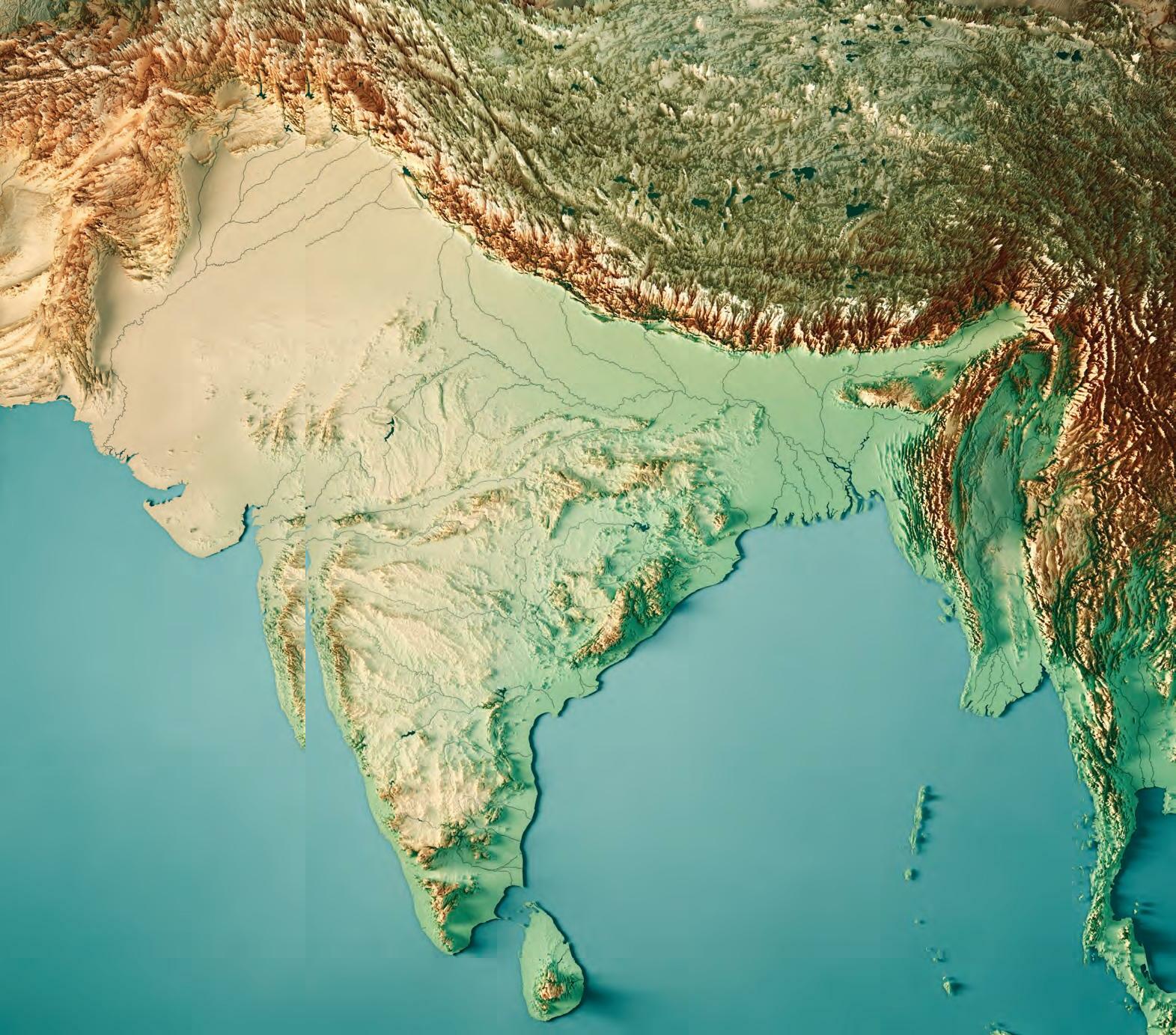
India's 7,516.6-kilometre coastline is both its gateway and its weak flank. It carries nearly all external trade, sustains coastal livelihoods and anchors India’s maritime ambitions — yet it also remains a porous border that can be breached by stealth, neglect or nature. Since the 26/11 Mumbai attacks, successive governments have declared coastal security a national priority. Sixteen years later, the system is certainly stronger, but also visibly uneven — efficient in parts, ad hoc in others, and increasingly strained by manpower shortages, environmental shifts and bureaucratic inertia.
A Geography That Resists Control
For decades, the coastline was treated as a fixed line — neatly printed in manuals and budget notes. The reality is less comforting. With better mapping, it is now evident that the coast is an ever-changing labyrinth of creeks, sandbars and mangroves, whose contours move with tides, erosion and silt. Regions such as the Sundarbans or Sir Creek make the task of surveillance almost impossible to mechanise.
Large naval craft cannot enter these shallows, and even medium patrol boats are often grounded by siltation. Radar coverage flickers, visibility collapses at night, and small fishing craft blend into the traffic of thousands. A single misclassified vessel can become a security gap hundreds of kilometres wide. The coast’s beauty is its camouflage — and that is not a comforting fact for those meant to guard it.
Personnel: Stretched, Under-trained and Uneven
After 2008, new marine police stations mushroomed across coastal states. Many still exist only on paper or operate with skeletal staff. Recruits are often drawn from regular police cadres with little maritime experience; training cycles are short, and refresher programmes are rare. The result is a force thin in skill.


Diese Geschichte stammt aus der December 2025-Ausgabe von Geopolitics.
Abonnieren Sie Magzter GOLD, um auf Tausende kuratierter Premium-Geschichten und über 9.000 Zeitschriften und Zeitungen zuzugreifen.
Sie sind bereits Abonnent? Anmelden
WEITERE GESCHICHTEN VON Geopolitics
Geopolitics
Tata expands Morocco push with LAMV offer
After securing an order for its WhAP 8x8 armoured vehicle from the Royal Moroccan Army, Tata Advanced Systems Limited is now actively promoting its Light Armoured Multipurpose Vehicle in the same market.

1 min
February 2026
Geopolitics
Armenia eyes India's Astra Missile for Su-30SM fleet
Armenia is in advanced discussions with India to acquire the Astra beyond-visual-range air-to-air missile, signalling a deepening of defence ties between the two countries.
1 min
February 2026
Geopolitics
SUVI V1 becomes India's first Type-Certified UAV
In India's unmanned aviation sector has reached a significant regulatory milestone with Okulo Aerospace announcing that its SUVI V1 platform has received Type Certification from the Directorate General of Civil Aviation.
1 min
February 2026
Geopolitics
Swan Defence wins Oman naval training ship contract
Swan Defence and Heavy Industries has secured a defence export contract from the Government of the Sultanate of Oman for the construction and supply of an advanced naval training ship for the Royal Navy of Oman.
1 min
February 2026

Geopolitics
HAL'S 'DHRUV' BET
Hindustan Aeronautics Limited (HAL) is attempting a careful reset of the Dhruv helicopter narrative, positioning the platform simultaneously as a cornerstone of India's future civil helicopter market and as a rehabilitated workhorse returning to frontline maritime service.
2 mins
February 2026
Geopolitics
India Offers Su-30MKM Upgrade to Malaysia
India has offered a midlife modernisation package for Malaysia's fleet of 18 Sukhoi Su-30MKM fighters, marking a significant step in bilateral defence-industrial cooperation.
1 min
February 2026
Geopolitics
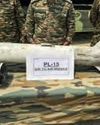
Astra upgrade rooted in indigenous R and D
Recent reports linking the Indian Air Force's Astra missile upgrades to Chinese PL-15 technology have been firmly dismissed by defence officials and scientists.
1 min
February 2026

Geopolitics
COMMAND OR COMPLIANCE? RECLAIMING THE SPIRIT OF MILITARY INITIATIVE
What does it truly mean to be a military leader in a democracy? It is a question sparked by the recent controversy surrounding General Manoj Naravane's memoir. While the government always has the final say, a great general shouldn't just wait for instructions; they must lead with confidence, give honest advice, and take decisive action on the battlefield. KARAN KHARAB highlights why India needs a military culture that rewards bold Initiative over hesitation and \"seeking orders.\"
8 mins
February 2026
Geopolitics
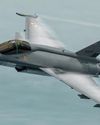
India's integrated air combat plan from Mk1A to MkIII
India's combat aviation landscape is entering a defining phase, marked by parallel developments in aircraft production and missile technology that together reflect a broader push toward operational self-reliance.
3 mins
February 2026

Geopolitics
DEFENCE BUDGET 2026-27: FOCUS ON CAPITAL ACQUISITIONS
While there is an overall increase in the latest defence budget, the statistics only tell half of the story, explains AMIT COWSHISH
11 mins
February 2026
Listen
Translate
Change font size