
Mit Magzter GOLD unbegrenztes Potenzial nutzen
Erhalten Sie unbegrenzten Zugriff auf über 9.000 Zeitschriften, Zeitungen und Premium-Artikel für nur
Versuchen GOLD - Frei
Are we hardwired for autocracy?
The Guardian Weekly
|May 23, 2025
It's human nature to trust strongmen, but we've also evolved the tools to resist them
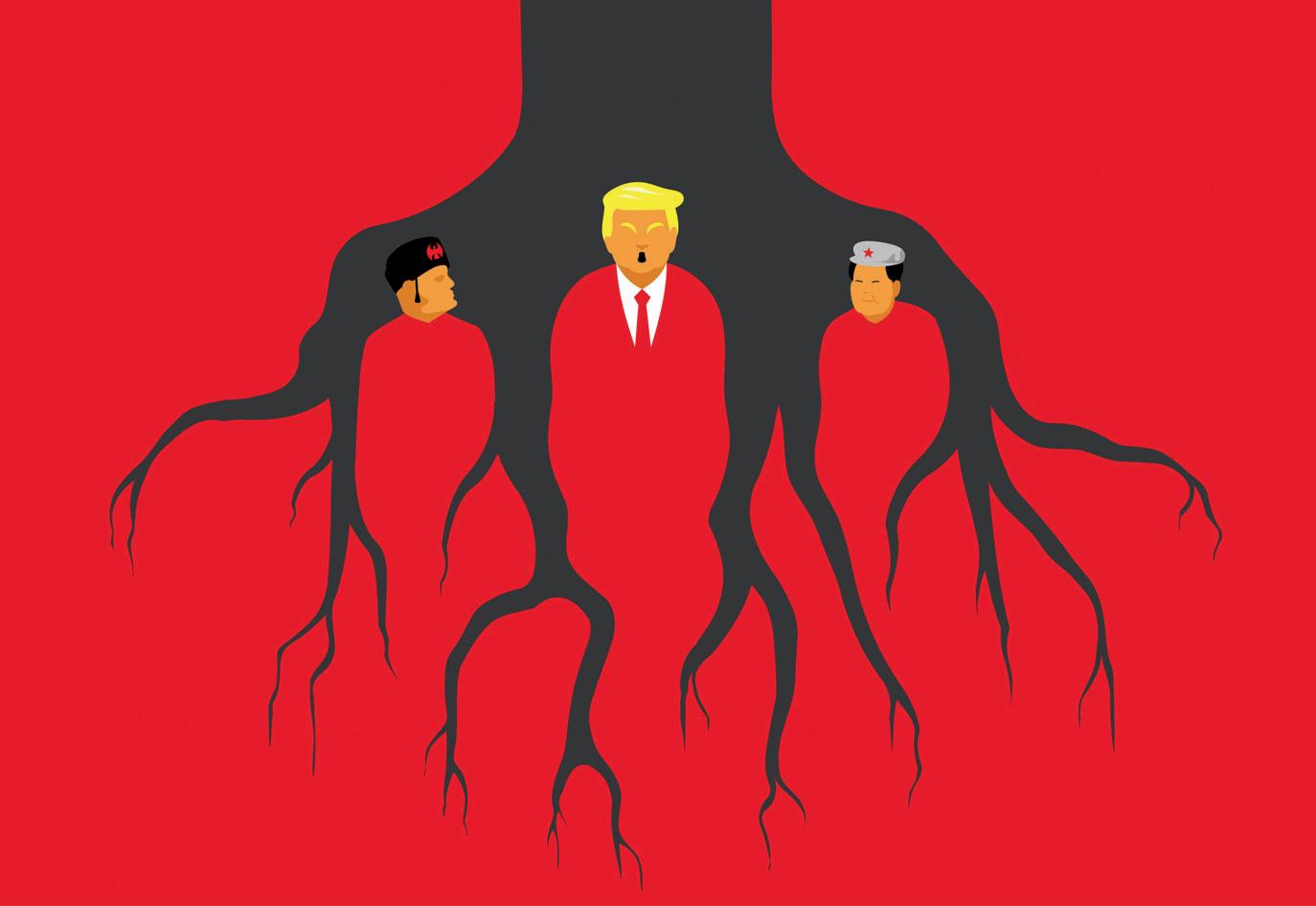
A recent piece of research commissioned by Channel 4 suggested that more than half of people aged between 13 and 27 would prefer the UK to be an authoritarian dictatorship.
The results shocked a lot of people concerned about the rising threat of autocracy across the world, including me. Yet, on reflection, I don't think we should be surprised. The way we evolved predisposes us to place trust in those who often deserve it least - in a sense, hardwiring us to support the most machiavellian among us and to propel them into power. This seems like an intractable problem. But it's what we do in the face of that knowledge that matters.
Recent work in anthropology and primatology shows how this wiring evolved. Our ancient ancestors, like most primates today, lived in groups dominated by violent and aggressive alpha males. Yet over the course of our biological and cultural evolution, unlike our primate cousins, we learned to work together to counter those bullyboys, organising to diminish their influence.

Diese Geschichte stammt aus der May 23, 2025-Ausgabe von The Guardian Weekly.
Abonnieren Sie Magzter GOLD, um auf Tausende kuratierter Premium-Geschichten und über 9.000 Zeitschriften und Zeitungen zuzugreifen.
Sie sind bereits Abonnent? Anmelden
WEITERE GESCHICHTEN VON The Guardian Weekly

The Guardian Weekly
Help at hand: A wave of support after school shooting
When Jim Caruso heard the news of the school shooting in Tumbler Ridge, he knew immediately he needed to be there. He packed his bags and boarded a plane for the community 1,100km away. \"I wanted to be here to bring some level of comfort,\" he said. \"I wanted to hug people, pray for them and, most importantly, to cry with them.\"

3 mins
February 20, 2026

The Guardian Weekly
From rickshaws to running shoes in pursuit of trail glory
Members of a local athletics club who transport passengers for a living are now beating elite athletes in international endurance events
3 mins
February 20, 2026

The Guardian Weekly
AI therapy Patients turn to chatbots for treatment
On a quiet evening in her Abuja hotel, Joy Adeboye, 23, sits on her bed clutching her phone, her mind racing.
2 mins
February 20, 2026
The Guardian Weekly
In these dark times, the World Service must not be allowed to fall silent
“The programmes will neither be very interesting nor very good,” said the then BBC director general John Reith when he launched its Empire Service in December 1932.
2 mins
February 20, 2026

The Guardian Weekly
Everybody wants to be a cat
Genre-hopping bass virtuoso Thundercat discusses Snoop Dogg and Star Wars ahead of the release of his fifth album
7 mins
February 20, 2026

The Guardian Weekly
'Just say no' US politicians offer advice on how to repel Trump
In Munich, Democrats put an end to tradition of the united front to stand among the president's fiercest critics
3 mins
February 20, 2026

The Guardian Weekly
Bird is the word: the secret to serving up perfect roast chicken
What’s the best way to roast a chicken?
2 mins
February 20, 2026

The Guardian Weekly
Sphere we go!
How did an industrial estate in Leipzig end up home to the great Brazilian architect Oscar Niemeyer's final project? Take a seat in his eye-popping restaurant
4 mins
February 20, 2026

The Guardian Weekly
What the repeal of a key climate rule means for America
The Trump administration has dismantled the basis for all US climate regulations, in its most confrontational anti-environment move yet.
2 mins
February 20, 2026

The Guardian Weekly
I could look out the window all day - so no need for curtains
I've never needed to be convinced of the cognitive benefits of looking out the window.
2 mins
February 20, 2026
Listen
Translate
Change font size