
Mit Magzter GOLD unbegrenztes Potenzial nutzen
Erhalten Sie unbegrenzten Zugriff auf über 9.000 Zeitschriften, Zeitungen und Premium-Artikel für nur
Versuchen GOLD - Frei
Fly me to the moon...
Hindustan Times Rajasthan
|November 23, 2025
It wasn't easy, bringing the stars indoors. The world's first planetarium opened 100 years ago, in Germany. It used the grainy imagery of the time, but elicited gasps nonetheless. Today, planetariums invite viewers to zoom through galaxies, tour clouds of asteroids, view meteors as they approach. And, a new future looms: explorations of tech, biology, even the human body - on domes so large and crystal-clear, they're helping astrophysicists learn about space
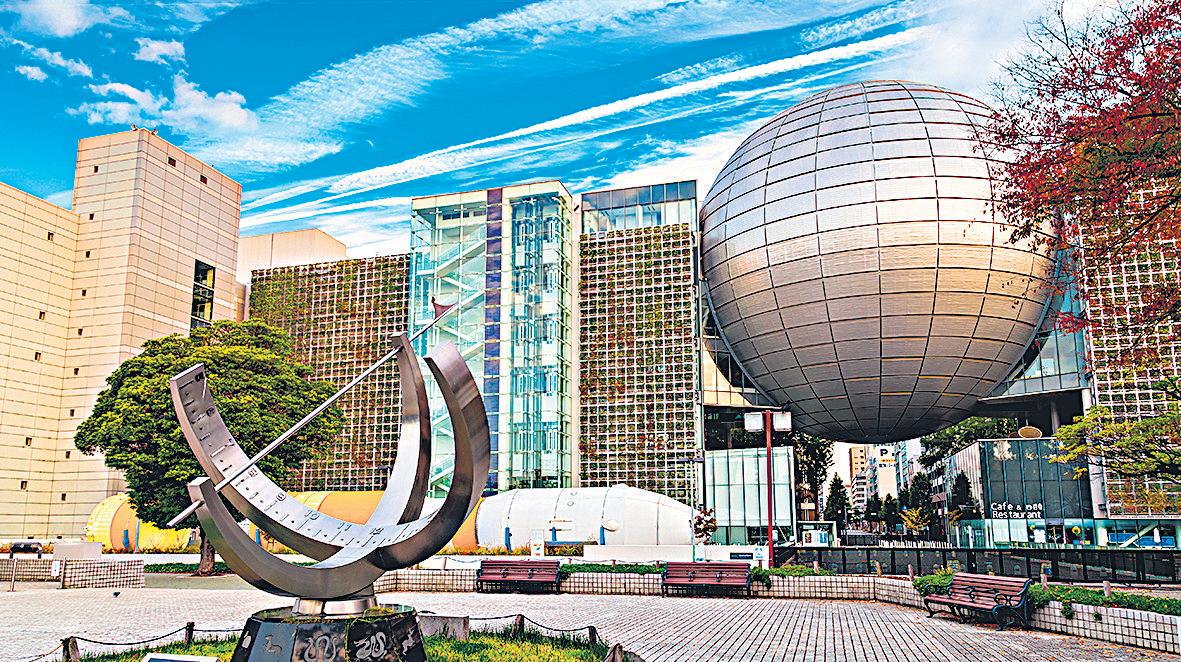
It's 1925, and a small crowd has stepped into a pitch-black dome and heard the doors close behind them.
As they struggle to adjust to the darkness, the roof seems to disappear. An expanse of star-studded sky appears above them.
There are no models of ringed globes in this planetarium. No pinholes in the walls, with light shining through to mimic stars. Instead, there is a hub in the centre of the room, throwing out imagery of a dazzling night sky.
"It matters not whether the audience be made up of children or adults, professional people or laymen, the emotional experience is always the same," astronomer George Clyde Fisher wrote, in an essay in the journal Popular Astronomy. "When... the stars are 'turned on,' the audience gasps audibly... No one is prepared for anything so realistic and so dramatic."
Today's planetariums map swirling galaxies, zoom through clouds of asteroids, and add imagery of real meteors as they approach. We'll get to some of those in a bit. First, a look at why things changed, 100 years ago.
It all began with a German electrical engineer named Oskar von Miller, in 1913. von Miller was a busy man. Amid the race for electrification (which picked up pace in the 1880s), he had helped electrify major German cities. A passionate educator, he helped set up the Deutsches Museum in Munich in 1903, a rare institute dedicated to the history of science and technology, and served as its first director.
A decade on, artificial light and rising pollution levels had started to blot out the night sky. In an era of great strides for science, von Miller wondered, was there something he could do to bring people closer to the stars?
He reached out to the optics factory Carl Zeiss, makers of some of the world's best optical instruments since the 1840s. Could they make a machine that could project, indoors, real imagery of the night sky?


Diese Geschichte stammt aus der November 23, 2025-Ausgabe von Hindustan Times Rajasthan.
Abonnieren Sie Magzter GOLD, um auf Tausende kuratierter Premium-Geschichten und über 9.000 Zeitschriften und Zeitungen zuzugreifen.
Sie sind bereits Abonnent? Anmelden
WEITERE GESCHICHTEN VON Hindustan Times Rajasthan

Hindustan Times Rajasthan
Modern, Indian, refit
Where do you go from the top? Manish Mehrotra goes chasing new highs, with inventive Indian food at Delhi's hot new restaurant, Nisaba

4 mins
January 17, 2026

Hindustan Times Rajasthan
Armed force
Short hair, killer batting, bowling that makes opponents quake. Shafali Verma, at 21, is flexing her superpowers. It's been two months since the Women's World Cup win. Where do superheroes go from here?
5 mins
January 17, 2026

Hindustan Times Rajasthan
RSVP for real fashion
Forget the Met Gala. These 10 events are where celebs take real style risks. Priyanka Chopra in a choli and pants, Lizzo as mozzarella. Are you on the guest list?
3 mins
January 17, 2026
Hindustan Times Rajasthan
Mumbai & beyond, a story of BJP's rise
Urban Maharashtra swings the saffron outfit's way, confirming its rise as the premier party of the state and the decline of regional outfits
2 mins
January 17, 2026

Hindustan Times Rajasthan
I’m here for the long run
So, your friends love marathons? Show up for them as their hype buddy. They'll thank you for the extra water and the motivation
3 mins
January 17, 2026
Hindustan Times Rajasthan
Investing in developing India’s higher-ed faculty
India today has more than 1.6 million faculty members teaching over 40 million students across higher education institutions.
2 mins
January 17, 2026

Hindustan Times Rajasthan
India must build its hard power in the age of Trump
Now, New Delhi’s mantra of strategic autonomy faces a real test. In an age of geopolitical churn, it needs to gain military prowess and grow economic heft
3 mins
January 17, 2026

Hindustan Times Rajasthan
Rupee slides 44 paise to near record low of 90.78 vs dollar
The rupee tumbled for the third straight session, losing 44 paise to settle near its lowest level at 90.78 against the US dollar on Friday, on strong dollar demand and persistent foreign fund outflows.
1 min
January 17, 2026
Hindustan Times Rajasthan
Celebrating science, outside the classroom
I spent last weekend in Pune at the India Science Festival and left with real confidence in the country’s future.
3 mins
January 17, 2026
Hindustan Times Rajasthan
A call to reenergise the Indian space ecosystem
The recent PSLV setback shines a light on bottlenecks plaguing India’s space programme and its potential debilitating impact on strategic choices
4 mins
January 16, 2026
Listen
Translate
Change font size