Versuchen GOLD - Frei
Who Needs Intimacy?
The Atlantic
|May 2025
Influential novelists are imagining what women's lives might look like without the demands of partners and children.
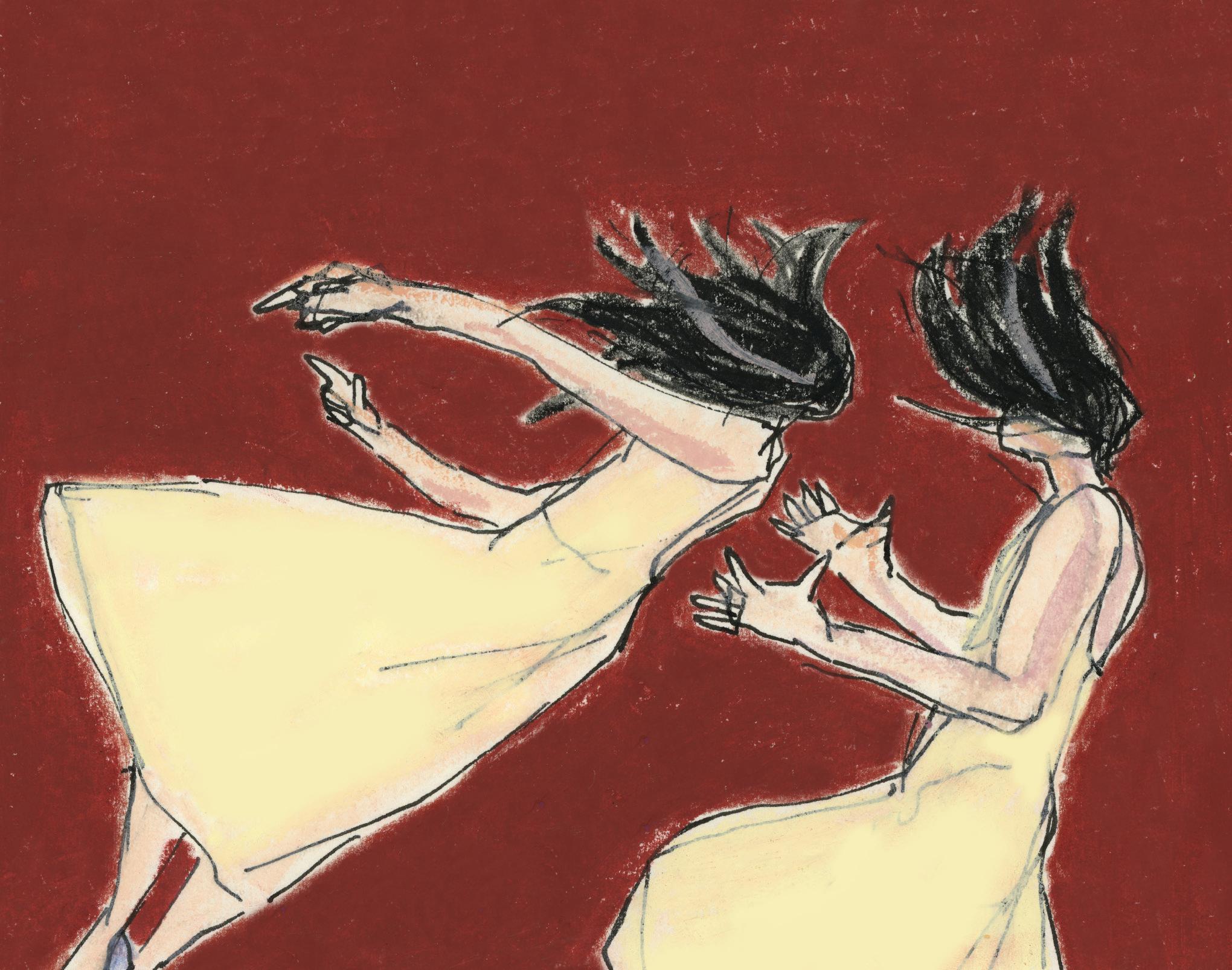
Over the past decade or so, an influential set of female novelists has been circling a shared question: Given how often women are forced to understand themselves as fundamentally in relation to others (most commonly a child and/or a partner, but also parents, extended family, friends), is it possible for a woman to have an authentic, independent self? If a female narrator is extracted from her core relational ties, what kind of consciousness is left?
I am thinking here of Rachel Cusk's Outline trilogy, whose narrator, divorced and currently apart from her children, travels and observes the world with a sense of self so hollowed out as to render her more a conduit for the musings of her interlocutors than a full-fledged character. I also have in mind Jenny Offill's alienated wife in Dept. of Speculation, as well as Ottessa Moshfegh's parodically disaffected protagonist in My Year of Rest and Relaxation. Katie Kitamura's last two novels, A Separation and Intimacies, are exemplars of this form. Her female protagonists lack the normal trappings of selfhood: They have no names, ages, or detailed backgrounds. They are loners, dispassionate and disassociated, floating through foreign places in dreamlike Woolfian internal monologue. They recall Emerson's turn of phrase “I become a transparent eyeball.” Who are they? They're rarely sure. “I don't really know what ‘authentic’ means,” Kitamura said in a recent interview about her new novel, Audition. “When you take away all of the role-playing, all of the performance, what is left? I don’t know if that’s your authentic self, or if it’s a profoundly raw, destabilized, possibly non-functioning self.” Audition, which Kitamura describes as the final entry in a loose trilogy, lingers over this curiosity about the instability of the “self,” and her bafflement at how authenticity could have anything to do with something so clearly assembled and performed.

Diese Geschichte stammt aus der May 2025-Ausgabe von The Atlantic.
Abonnieren Sie Magzter GOLD, um auf Tausende kuratierter Premium-Geschichten und über 9.000 Zeitschriften und Zeitungen zuzugreifen.
Sie sind bereits Abonnent? Anmelden
WEITERE GESCHICHTEN VON The Atlantic
The Atlantic
STRUCK
What getting hit by lightning does to the body and mind

15 mins
April 2026

The Atlantic
LEAVING THE UNITED STATES BEHIND
The Cruz family spent years building a life in New York. Then the risks of staying became too great.
16 mins
April 2026

The Atlantic
MY SELF-DRIVING CAR CRASH
The Tesla was driving perfectly—until it wasn't.
8 mins
April 2026

The Atlantic
The Last Days of Franco
Montserrat Roig's classic novel captures Barcelona on the cusp of unimaginable change.
7 mins
April 2026

The Atlantic
INSATIABLE
Indoor rain, windows to nowhere, and reanimated nuclear reactors- how the race to power AI is remaking the physical world
16 mins
April 2026

The Atlantic
THE WOMEN OF AVENGER FIELD
THEY BRAVELY SERVED AS PILOTS IN WORLD WAR II. THEN AMERICA FORGOT THEM.
15 mins
April 2026

The Atlantic
The Unbearable Lightness of Signalgate
Nearly a year after a national-security scandal erupted on my iPhone, no one in the Trump administration has faced serious consequences.
14 mins
April 2026

The Atlantic
Robyn Is Still Dancing On Her Own
The queen of poptimism takes up motherhood and midlife desire.
5 mins
April 2026
The Atlantic
The College-Educated Working Class
Can a generation of graduates frustrated by their economic prospects change American labor politics?
13 mins
April 2026

The Atlantic
THAT 1930s FEELING
How dark fringes reached the center of the Republican Party
10 mins
April 2026
Listen
Translate
Change font size