
Mit Magzter GOLD unbegrenztes Potenzial nutzen
Erhalten Sie unbegrenzten Zugriff auf über 9.000 Zeitschriften, Zeitungen und Premium-Artikel für nur
THAT '70s FEELING
The Atlantic
|June 2025
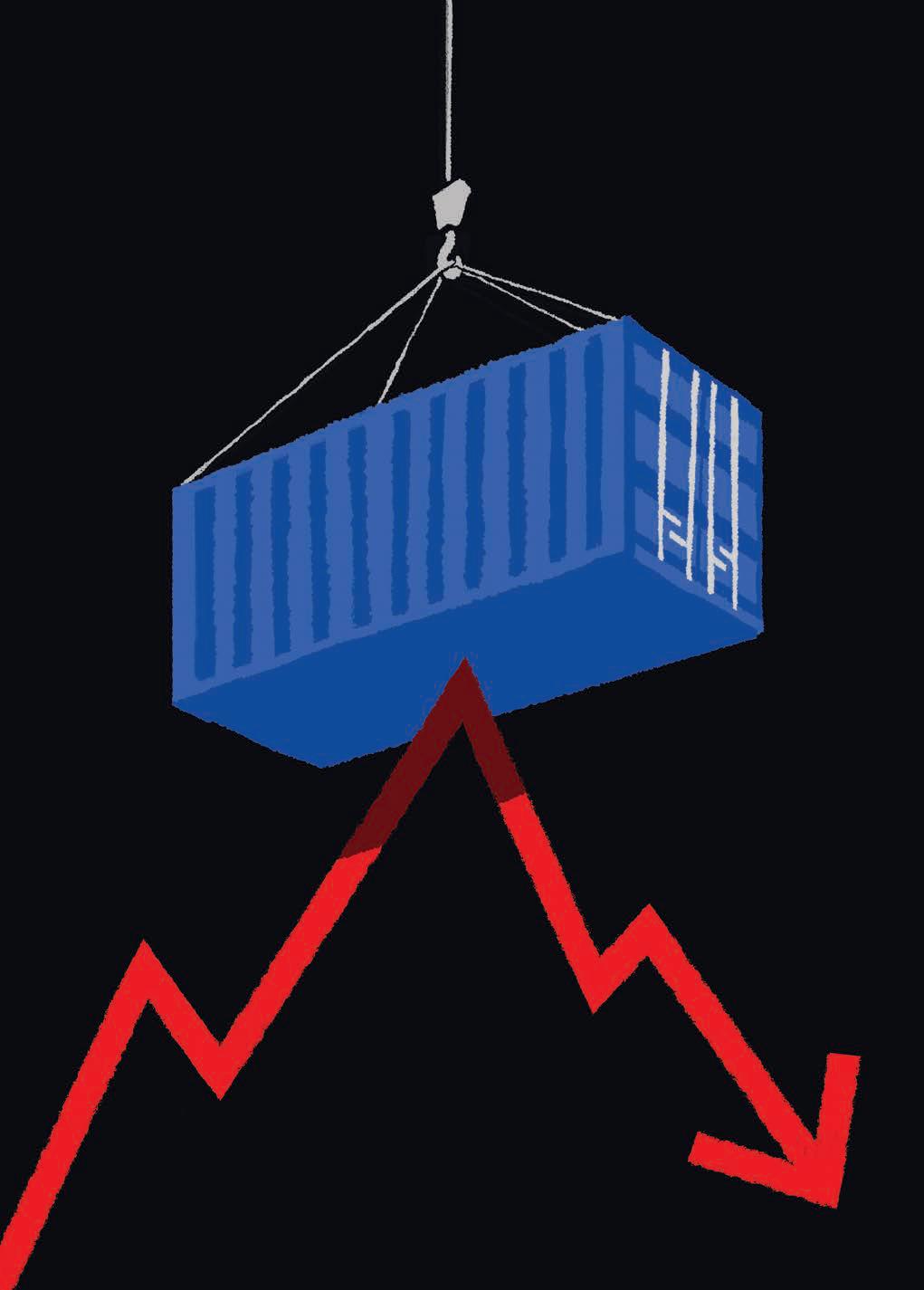
Trump's tariffs could cause stagflation for the first time in decades. It may go on for a long, long time.
I remember the little stickers on restaurant menus.
In the 1970s, it cost much more to print a menu than it does today. Restaurants did not change them often. When prices rose, they'd retain their old menu—but affix little stickers with the new, handwritten prices atop the previous ones. When prices rose especially rapidly, the stickers accumulated in stubby columns rising up from the menu. A bored child might scratch off all the stickers with a fingernail—and, like a young archaeologist, reveal a lost world.
The term that came into use to describe the era was stagflation: stagnation plus inflation. Until recently, it seemed a relic of the disco era, but the economic chaos of Donald Trump’s second presidency has resurfaced the old word. Stock markets are warning of a recession. Bond markets are anticipating inflation. Perhaps one market is wrong, or the other, or both. More likely, they portend the return of a half-forgotten nightmare.
From 1969 to 1982—just 13 years—the United States suffered four recessions. Three were severe. Two were both severe and protracted. Recoveries were comparatively feeble. Even during the recessions, prices kept rising.
The era’s economic turmoil unnerved Americans. Mass-market best sellers such as The Late Great Planet Earth prophesied the imminent end of the world in a biblical apocalypse. Americans absorbed a secular version of the end-of-the-world obsession from books such as The Limits to Growth, which claimed that humankind was overconsuming almost every natural resource and had no choice but to strictly ration the pitiful remains.

Diese Geschichte stammt aus der June 2025-Ausgabe von The Atlantic.
Abonnieren Sie Magzter GOLD, um auf Tausende kuratierter Premium-Geschichten und über 9.000 Zeitschriften und Zeitungen zuzugreifen.
Sie sind bereits Abonnent? Anmelden
WEITERE GESCHICHTEN VON The Atlantic

The Atlantic
You Had to Be There
An emerging field of history asks if we can ever really understand how our forebears experienced love, anger, fear, and sorrow.

23 mins
January 2026

The Atlantic
By the Horns
The week before the biggest bullfight of her career, in Cádiz, Spain, this past July, 24-year-old Miriam Cabas posted a carefully produced video on Instagram.
1 mins
January 2026

The Atlantic
The New German War Machine
After World War II, Germany embraced pacifism as a form of atonement. Now the country is arming itself again.
18 mins
January 2026
The Atlantic
The Eloquence
The prime minister was watching a disaster movie when we found him.
4 mins
January 2026

The Atlantic
What's for Dinner, Mom?
The women who want to change the way America eats
12 mins
January 2026

The Atlantic
How Terror Works
A 1947 German novel explores the sometimes corrosive, sometimes energizing nature of fear.
8 mins
January 2026

The Atlantic
Yesterday's Idea of a Modern Man
Sam Shepard, a self-made cowboy, was also a poet of masculine angst.
7 mins
January 2026

The Atlantic
ACCOMMODATION NATION
America's colleges have an extra-time-on-tests problem.
11 mins
January 2026

The Atlantic
Respect the Drummer
A new history of rock, told through its overlooked heroes
5 mins
January 2026

The Atlantic
THE MOST POWERFUL MAN IN SCIENCE
WHY IS ROBERT F. KENNEDY JR. SO CONVINCED HE'S RIGHT?
42 mins
January 2026
Listen
Translate
Change font size