Versuchen GOLD - Frei
I'm a disabled woman.Is that my brand?
TIME Magazine
|March 24, 2025
EVERY TIME I PICKED UP MY SON AT DAY CARE LAST YEAR, our reunion was punctuated by the same questions from the other 3-year-olds: “Why are you in that wheelchair? What happened?” I am used to questions. I’ve answered them all my life with little fanfare. But these interactions started to feel different with my son there to bear witness.
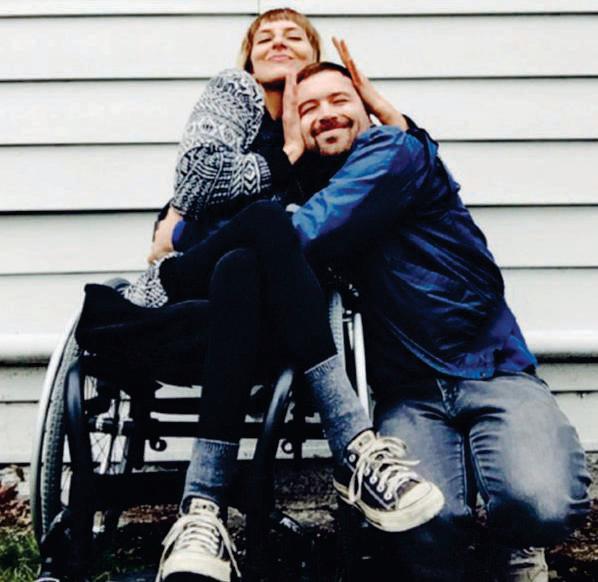
So this fall, as Otto started preschool and we prepared for this fresh start with a new group of people, it felt like a chance to reset the terms with intention. I wanted a better approach, but I struggled to imagine what that might look like. What would it take to shift a dynamic that felt so inevitable? Was it even possible for me to call the shots in a room full of all-consuming curiosity?
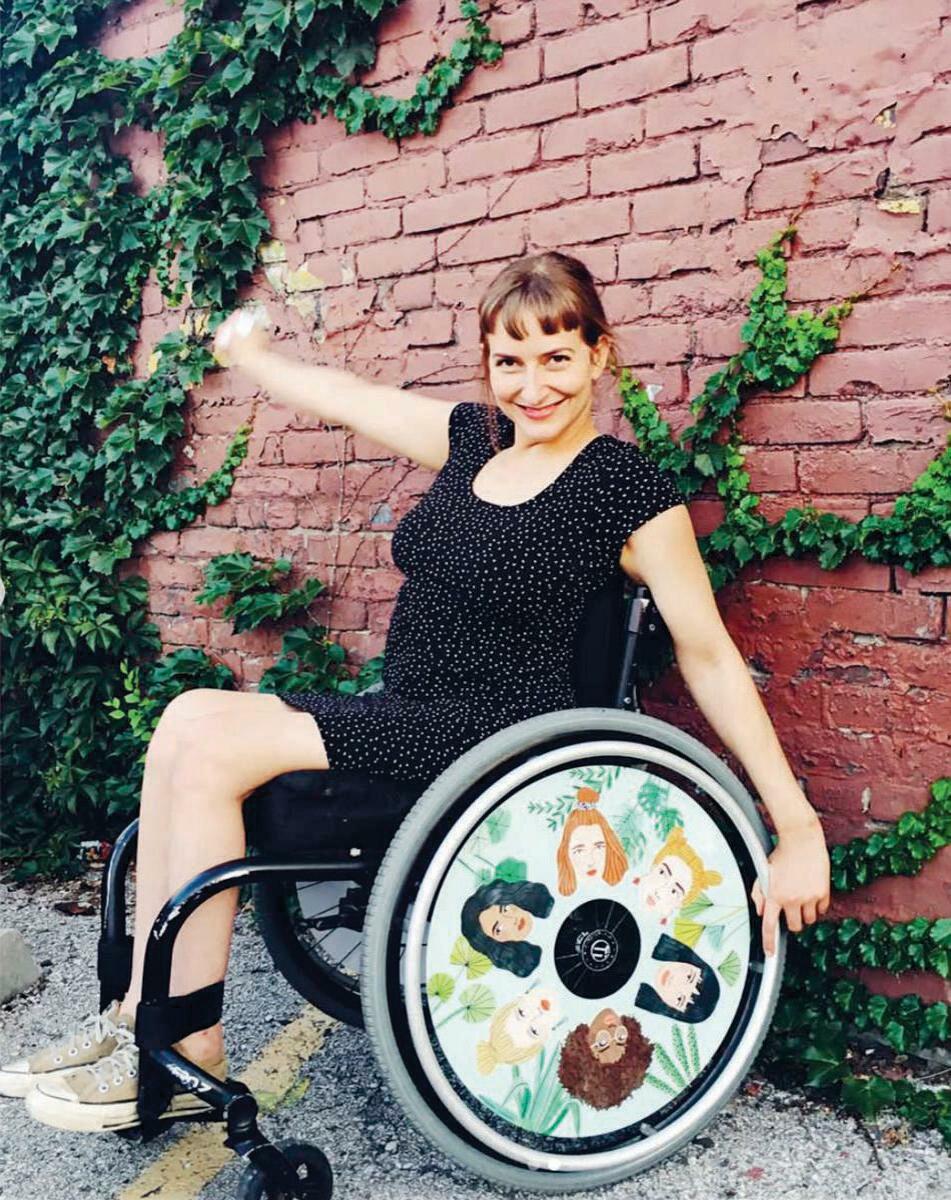
I mulled it over with anyone who would listen. Some people thought I should have a class visit where I explained my disability, maybe read a relevant book. To be fair, I am a good candidate for this kind of conversation. I started using a wheelchair when I was 6, and when I discovered disability studies in graduate school, I understood, for the first time in my life, disability as an identity. Suddenly, I was rethinking a part of my life that had remained relatively unexamined. I started creating “mini memoirs” on social media that shared my firsthand experience—the feeling of being stared at as I grip the side of my car and drag my feet across the pavement when I fill my tank with gas, of being prayed over by strangers for my healing.

Diese Geschichte stammt aus der March 24, 2025-Ausgabe von TIME Magazine.
Abonnieren Sie Magzter GOLD, um auf Tausende kuratierter Premium-Geschichten und über 9.000 Zeitschriften und Zeitungen zuzugreifen.
Sie sind bereits Abonnent? Anmelden
Listen
Translate
Change font size