
Mit Magzter GOLD unbegrenztes Potenzial nutzen
Erhalten Sie unbegrenzten Zugriff auf über 9.000 Zeitschriften, Zeitungen und Premium-Artikel für nur
Versuchen GOLD - Frei
A DIVIDED CITY
Maclean's
|July 2025
In Windsor, Ontario, lives, careers and family ties have transcended the Canada-U.S. border for generations. Today, Trump's trade war is an existential threat for Canada's most American city.
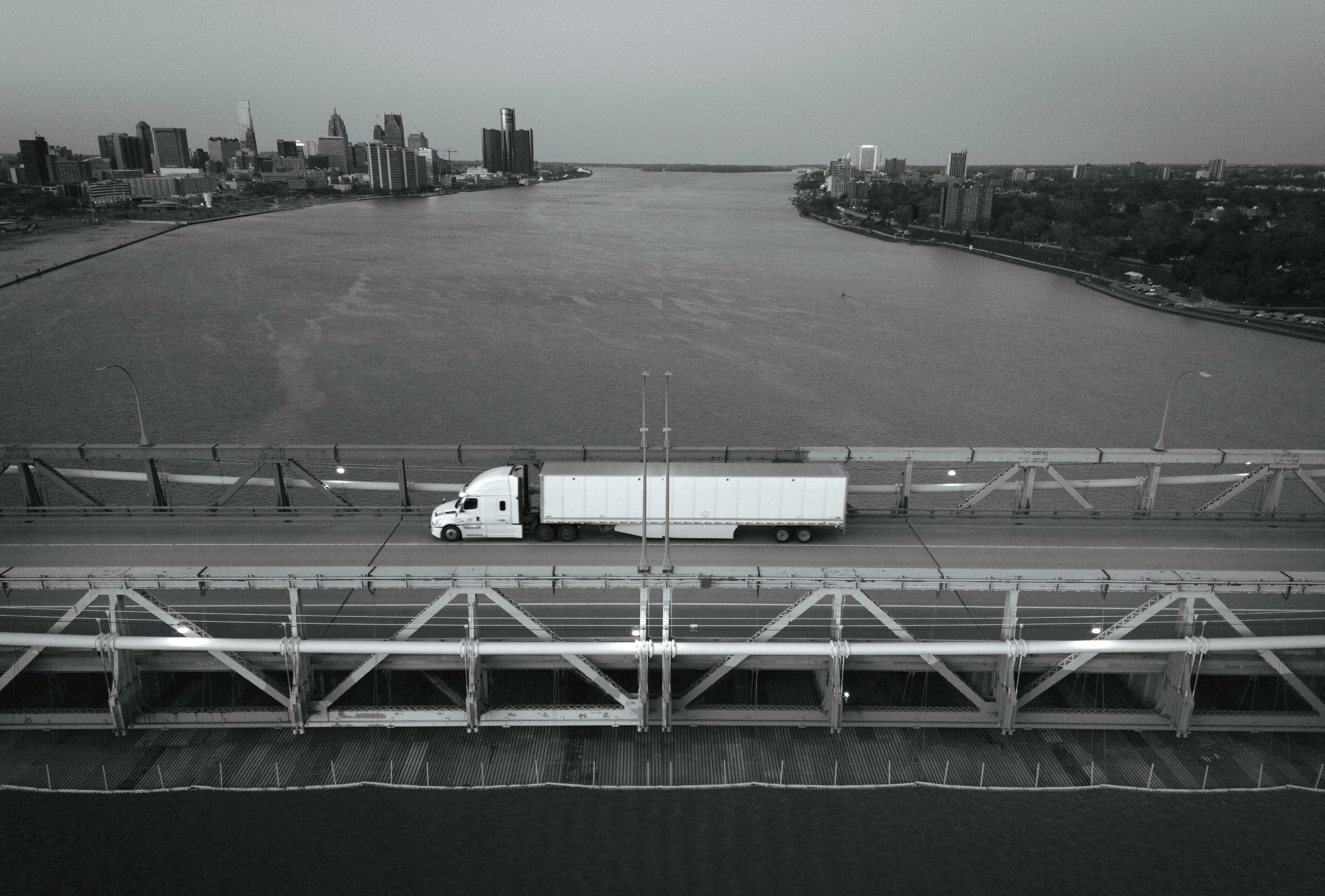
LIKE VIRTUALLY EVERYONE ELSE who’s grown up in Windsor, Elaine Weeks spent much of her youth over the river, in Detroit. As a kid in the 1960s and 1970s, she went to the Detroit Zoo and visited Santa at Hudson’s department store downtown. When she got a little older, she caught ball games at Tiger Stadium, ate tacos in Mexicantown and attended exhibitions at the Detroit Institute of Arts. The city felt big, dramatic and thrilling; with a metropolitan population greater than four million people, it was more than 10 times the size of Windsor. It was also shockingly close. The Detroit River, which separates the two cities, is only a few hundred metres wide. Even when Weeks wasn’t physically in Detroit, she could hear and see it: the thump of concerts, the flashing of police sirens, the whine of race cars at the Detroit Grand Prix. In so many ways, living in Windsor was like living in a suburb of an exciting American city. It was certainly the one that loomed largest, much more than Toronto, a four-hour drive away. And nowhere was the porous, undefended border between Canada and the U.S. more permeable. “We're divided by water, but also connected by it,” says Weeks. “Our border is literally fluid.” In 2004, Weeks and her husband, Chris Edwards, started a small press called Walkerville Publishing. They’ve produced several books about local history and culture, and just about every one includes a bit about Detroit, too.

Diese Geschichte stammt aus der July 2025-Ausgabe von Maclean's.
Abonnieren Sie Magzter GOLD, um auf Tausende kuratierter Premium-Geschichten und über 9.000 Zeitschriften und Zeitungen zuzugreifen.
Sie sind bereits Abonnent? Anmelden
WEITERE GESCHICHTEN VON Maclean's

Maclean's
The University's Post-Book Future
Students don't want to read novels anymore. I've filled my English-lit syllabus with movies to help them learn anyway.

4 mins
January / February 2026

Maclean's
Buy Canadian Will Transform Supply Chains
Trump's tariff chaos will prompt local food producers to expand at record speed
3 mins
January / February 2026
Maclean's
The Rise of the Micro-Restaurant
Tiny establishments like Yan Dining Room, my 26-seater in Toronto, are feeding Canadians' appetites for something new
4 mins
January / February 2026

Maclean's
Education
The international-student shortfall will worsen schools' financial woes. Donald Trump's assault on academia will hinder and help Canadian campuses. And school boards will scramble to fill teacher shortages.
4 mins
January / February 2026

Maclean's
Food
Buy Canadian fever will give us more B.C. wine, Ontario ice cream and locally grown winter strawberries-while Indigenous cuisine will have its overdue moment
4 mins
January / February 2026

Maclean's
The Adult Rec-Sports Boom
Fed up with phones, Canadians are making friends on the field
4 mins
January / February 2026
Maclean's
Concert Tickets Might Finally Get Cheaper
In 2026, we'll need fewer stadium extravaganzas and more intimate shows at small venues
3 mins
January / February 2026

Maclean's
Climate
Wildfire displacement will redraw the map, EV adoption will decelerate and Canada will miss its emissions targets. Throughout it all, Mark Carney will put climate on the backburner.
4 mins
January / February 2026

Maclean's
Canada's China Policy Will Be Decided in Washington
If Trump talks fail, Canada could look toward Beijing
3 mins
January / February 2026

Maclean's
Justice for Stablecoins
For years, people thought fiat-backed crypto was all hype, no value. Now that the government's on board, Canadians should be too.
4 mins
January / February 2026
Listen
Translate
Change font size