
Mit Magzter GOLD unbegrenztes Potenzial nutzen
Erhalten Sie unbegrenzten Zugriff auf über 9.000 Zeitschriften, Zeitungen und Premium-Artikel für nur
Look back in anguish
BBC Music Magazine
|March 2025
Despite Korngold's denials, there is much to suggest that his Symphony in F sharp is a grim depiction of the dark days of Nazism, argues Jessica Duchen
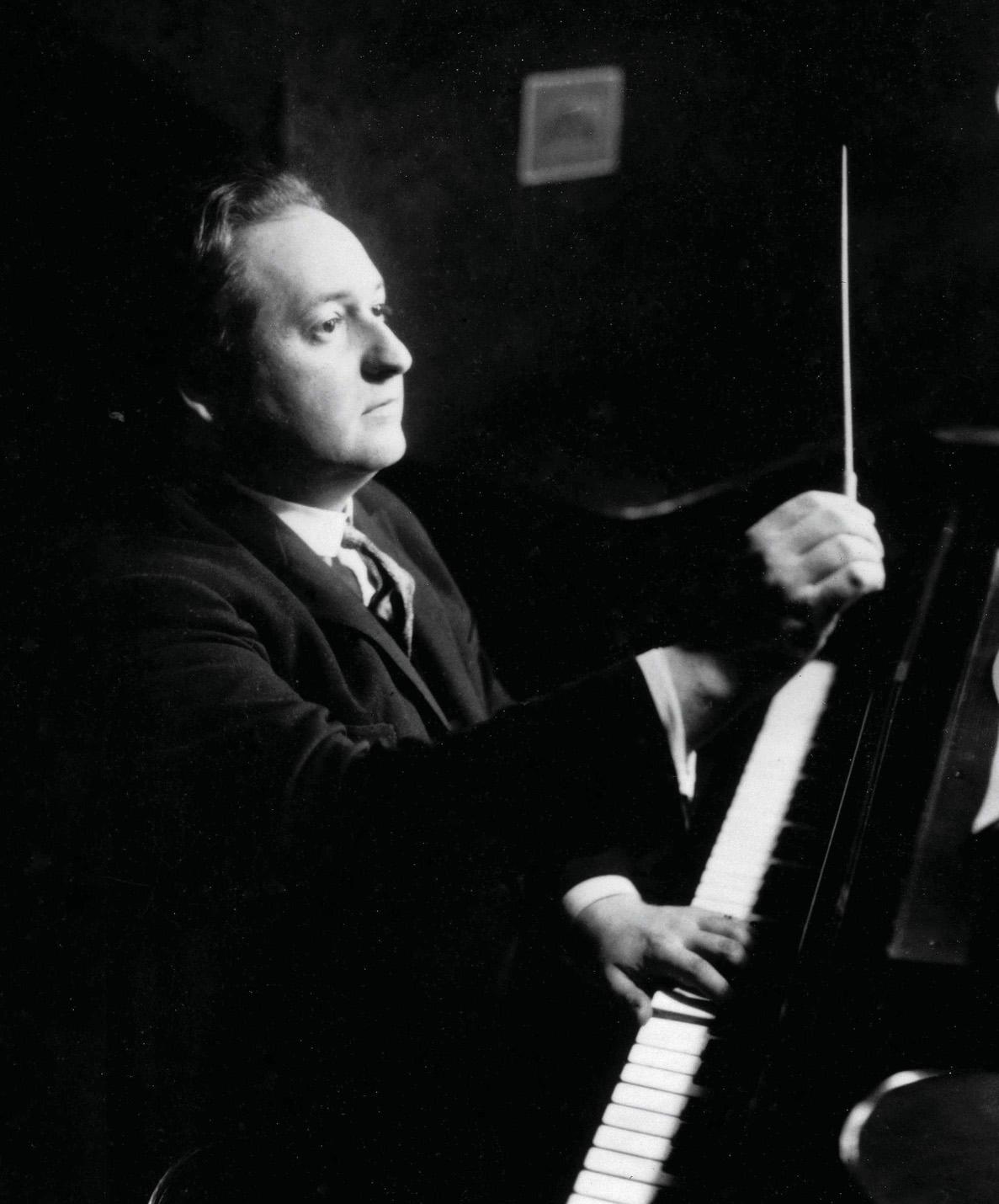
A shout, heavily accented: ‘First movement!’ Erich Wolfgang Korngold begins to play his own Symphony in F sharp on what must once have been a piano. Soon the sounds are making my study walls shake – or maybe it’s just me that’s shaking, because the volcano of history itself seems present in this musical roar of pain.
Last year I received an email from the record producer Richard Guérin. He was about to release a double CD of Korngold’s Symphony: a live concert performance from 1997 by the Orchestra della Svizzera italiana conducted by John Mauceri, alongside a piano recording by the composer himself, which had been preserved in the archive kept in the garage of his grandson Leslie Korngold, and which Mauceri had consulted before tackling the work. Neither recording has been previously released. At last, here they are.
Mauceri had first contacted the Korngold family in the early 1990s while preparing to record the Symphonic Serenade, hoping that something useful might be lurking in the archive that Leslie had inherited. Leslie subsequently spent months in the studio with the music historian and archivist Lance Bowling, transferring his collection of lacquer records onto DAT. ‘During those sessions, we found a recording of my grandfather playing the Symphonic Serenade, which I shared with John. It became one of the tools he used to prepare for that recording,’ Leslie says. ‘A year or two later, he called me again, wondering if I had anything that would help with the Symphony.’ Leslie checked his database – and found that he did.
Leslie and Mauceri both suggest that the composer’s recording was intended as a tempo guide for conductors, but that it seems far more besides. First, Korngold was an extraordinary pianist: ‘You can hear effects in this that can’t be realised with an orchestra,’ Mauceri says. But other clues to the Symphony’s nature are present: notably, the


Diese Geschichte stammt aus der March 2025-Ausgabe von BBC Music Magazine.
Abonnieren Sie Magzter GOLD, um auf Tausende kuratierter Premium-Geschichten und über 9.000 Zeitschriften und Zeitungen zuzugreifen.
Sie sind bereits Abonnent? Anmelden
WEITERE GESCHICHTEN VON BBC Music Magazine
BBC Music Magazine
Hiss and make-up
From boos to vegetables, opera stars have had to put up with all sorts being aimed in their direction over the centuries

8 mins
Christmas 2025

BBC Music Magazine
A vivid and intimate portrait of Mahler
Anna Lucia Richter brings striking depth and expressive insight to the composer's song-settings
2 mins
Christmas 2025

BBC Music Magazine
It's all in the genes
Is it a bonus or a burden to be the musical child of musical parents?
7 mins
Christmas 2025

BBC Music Magazine
Banff Canada
Spectacular views and equally stunning string quartet performances are on Jeremy Pound's agenda as he heads to the Canadian Rockies
3 mins
Christmas 2025

BBC Music Magazine
Morten Lauridsen
Terry Blain explores the life of a self-imposed recluse whose magical O Magnum Mysterium beguiles millions of listeners each Christmas
6 mins
Christmas 2025

BBC Music Magazine
In good faith
Composer Roxanna Panufnik and writer Jessica Duchen tell Amanda Holloway how they have joined forces for a new choral work that looks well beyond Christmas for its festive celebrations
8 mins
Christmas 2025

BBC Music Magazine
Westward Ho!
Composer Alex Ho is part of a growing community of musicians combining their British and Chinese heritage in fascinating ways
7 mins
Christmas 2025

BBC Music Magazine
Music & mercy
explores Venice's Ospedale della Pietà, the girls' orphanage where Vivaldi taught and composed
7 mins
Christmas 2025

BBC Music Magazine
Jingle hell!
As the Christmas season approaches, the BBC Music Magazine team share the festive tunes that make our hearts sink
9 mins
Christmas 2025

BBC Music Magazine
Bach's recycled choral music brings festive cheer to Leipzig
Shout, exult, arise, praise these days! Glorify what the Almighty today has done!' Early on the morning of 25 December 1734, these words resounded from the choir stalls of the Thomaskirche, Leipzig, to a jubilant accompaniment of festive timpani, pealing trumpets and scampering violins. Seated at a keyboard, the church's director of music Johann Sebastian Bach marshalled the musicians in a performance of the cantata Jauchzet, frohlocket! Auf, preiset die Tage, which preceded the sermon in the morning service.
3 mins
Christmas 2025
Listen
Translate
Change font size