
Mit Magzter GOLD unbegrenztes Potenzial nutzen
Erhalten Sie unbegrenzten Zugriff auf über 9.000 Zeitschriften, Zeitungen und Premium-Artikel für nur
A compelling revival of Hasse's tragic masterpiece
BBC Music Magazine
|December 2025
Anett Fritsch, Roberta Mameli and Jeremy Ovenden deliver vivid performances, notes Nicholas Kenyon

Hasse
Piramo e Tisbe
Anett Fritsch, Roberta Mameli, Jeremy Ovenden et al; Akademie für Alte Musik Berlin/Bernhard Forck Harmonia Mundi HMM905393.94 102 mins (2CD)
Johann Hasse (1699-1783) is a fascinating figure: one of the most successful opera composers of the 18th century, he links the worlds of Bach and Mozart (whose early Ascanio in Alba upstaged Hasse's last opera in 1771), while also marrying the star soprano Faustina Bordoni.
The story of Pyramus and Thisbe is most familiar to us from the hilarious parody created by Shakespeare for the 'rude mechanicals' in A Midsummer Night's Dream, but this late 'intermezzo tragico' by Hasse is a setting of the real tragedy, to a libretto by Marco Coltellini which draws out all the Romeo-and-Juliet passion and misunderstandings in the sad story.
Hasse responded to the libretto with a most unusual and forward-looking score for three soloists, weaving together a work which repeatedly links arias and ensembles, creating dramatic accompanied recitatives as well as plangent duets.
The piece has been recorded before by La Stagione Frankfurt, but this new version is better, with livelier tempi and superb singing from two bright-voiced sopranos, Anett Fritsch and Roberta Mameli, in the title roles - even if it is sometimes difficult to tell them apart without close attention to the libretto.
The third singer is Thisbe's father (Il padre), Jeremy Ovenden, who is left so despairing by her death that he kills himself in the closing moments. As a sample of Hasse's eloquence, the aria 'Perderò l'amato bene' is most affecting, and the lovers' last duet in the most unusual key of B major is very touching. The Berliners' playing of the colourful score is vivid and incisive. ★★★★★
You can access thousands of reviews from our extensive archive on the BBC Music Magazine website at www.classical-music.com

Diese Geschichte stammt aus der December 2025-Ausgabe von BBC Music Magazine.
Abonnieren Sie Magzter GOLD, um auf Tausende kuratierter Premium-Geschichten und über 9.000 Zeitschriften und Zeitungen zuzugreifen.
Sie sind bereits Abonnent? Anmelden
WEITERE GESCHICHTEN VON BBC Music Magazine
BBC Music Magazine
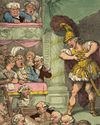
Hiss and make-up
From boos to vegetables, opera stars have had to put up with all sorts being aimed in their direction over the centuries

8 mins
Christmas 2025

BBC Music Magazine
A vivid and intimate portrait of Mahler
Anna Lucia Richter brings striking depth and expressive insight to the composer's song-settings
2 mins
Christmas 2025

BBC Music Magazine
It's all in the genes
Is it a bonus or a burden to be the musical child of musical parents?
7 mins
Christmas 2025
BBC Music Magazine
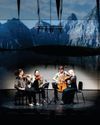
Banff Canada
Spectacular views and equally stunning string quartet performances are on Jeremy Pound's agenda as he heads to the Canadian Rockies
3 mins
Christmas 2025

BBC Music Magazine
Morten Lauridsen
Terry Blain explores the life of a self-imposed recluse whose magical O Magnum Mysterium beguiles millions of listeners each Christmas
6 mins
Christmas 2025

BBC Music Magazine
In good faith
Composer Roxanna Panufnik and writer Jessica Duchen tell Amanda Holloway how they have joined forces for a new choral work that looks well beyond Christmas for its festive celebrations
8 mins
Christmas 2025

BBC Music Magazine
Westward Ho!
Composer Alex Ho is part of a growing community of musicians combining their British and Chinese heritage in fascinating ways
7 mins
Christmas 2025

BBC Music Magazine
Music & mercy
explores Venice's Ospedale della Pietà, the girls' orphanage where Vivaldi taught and composed
7 mins
Christmas 2025
BBC Music Magazine
Jingle hell!
As the Christmas season approaches, the BBC Music Magazine team share the festive tunes that make our hearts sink
9 mins
Christmas 2025

BBC Music Magazine
Bach's recycled choral music brings festive cheer to Leipzig
Shout, exult, arise, praise these days! Glorify what the Almighty today has done!' Early on the morning of 25 December 1734, these words resounded from the choir stalls of the Thomaskirche, Leipzig, to a jubilant accompaniment of festive timpani, pealing trumpets and scampering violins. Seated at a keyboard, the church's director of music Johann Sebastian Bach marshalled the musicians in a performance of the cantata Jauchzet, frohlocket! Auf, preiset die Tage, which preceded the sermon in the morning service.
3 mins
Christmas 2025
Listen
Translate
Change font size