
Mit Magzter GOLD unbegrenztes Potenzial nutzen
Erhalten Sie unbegrenzten Zugriff auf über 9.000 Zeitschriften, Zeitungen und Premium-Artikel für nur
TOUGH KIDS FOR TOUGH TIMES
Psychologies UK
|January 2026
As parents and caregivers, it is our instinct to protect our children from harm. When they are very small, we teach them what not to touch, we scoop them up before they fall, we hold their hands when they balance on high walls. The instinct to keep our children from feeling hurt never leaves us, so when they are older and come to us with emotional turmoil, it is only natural that our initial urge is to make the bad thing go away. But what if this reflex is doing more harm than good when it comes to teaching our young people how be become more resilient?
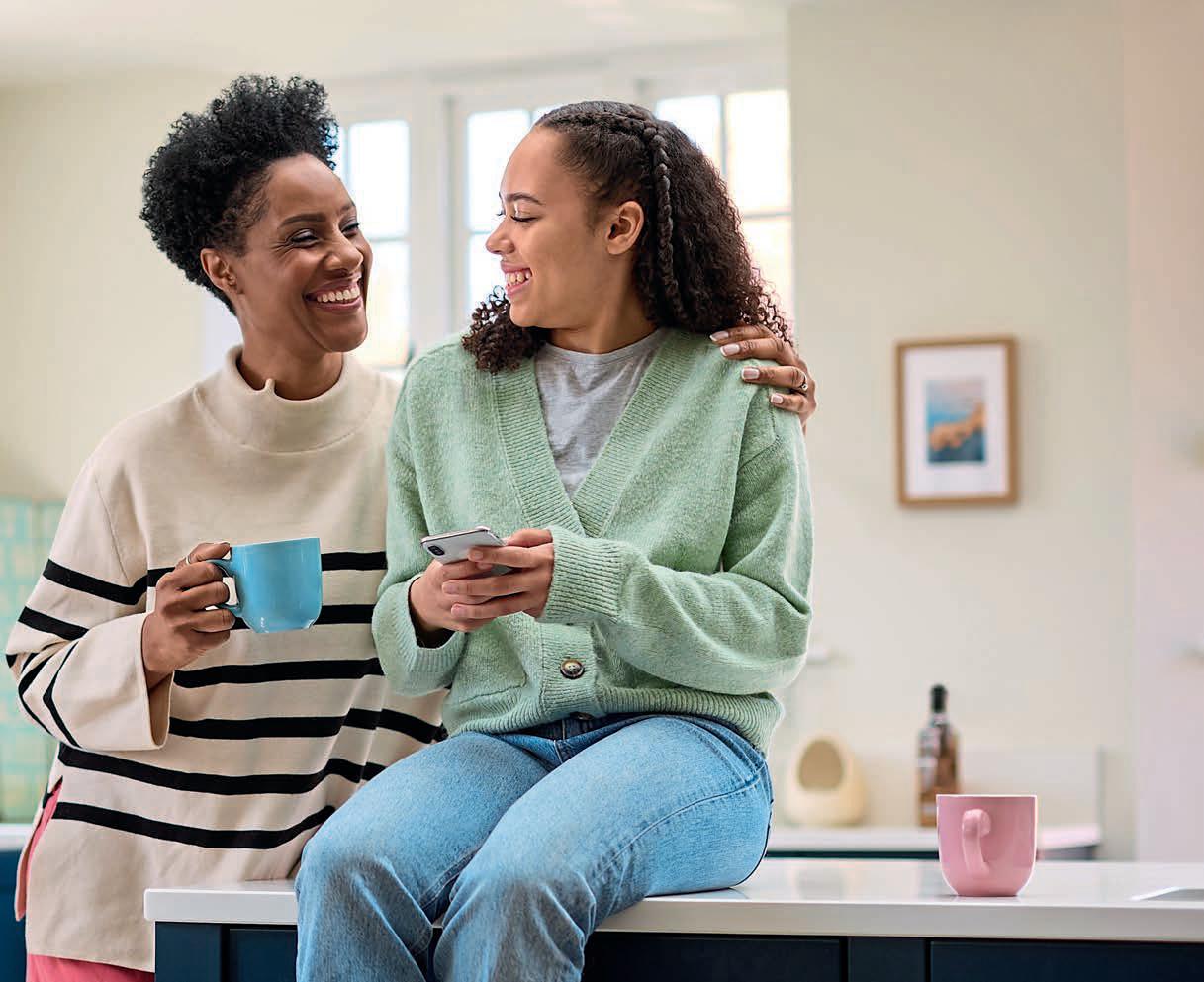
We're living in a world that feels increasingly unpredictable, and for children, that uncertainty can feel magnified. From safety drills at school to social media pressures, today's young people are growing up in an emotional landscape that can sometimes feel overwhelming. Nirvisha Purohit works with both adults and young people around resilience. An NLP Master Practitioner and executive coach, she says: 'While adults can draw on lived experience to interpret uncertainty, children are still building their internal map of the world. That means every new challenge, whether it's a changing routine, or distressing news, can shape how they view safety, control, and possibility.'
I ask her why adults are more resilient, and she shares that the biggest difference is that adults have the benefit of perspective. 'We've experienced change, loss, recovery, and growth, we know that challenges pass and stability return. Children don't yet have those emotional reference points. They take cues from the adults around them, borrowing our nervous system to regulate their own.'
These experiences can form what NLP calls 'anchors', emotional links between situations and feelings. For instance, if every time a child hears breaking news, they also sense adult anxiety, the two experiences can become connected.
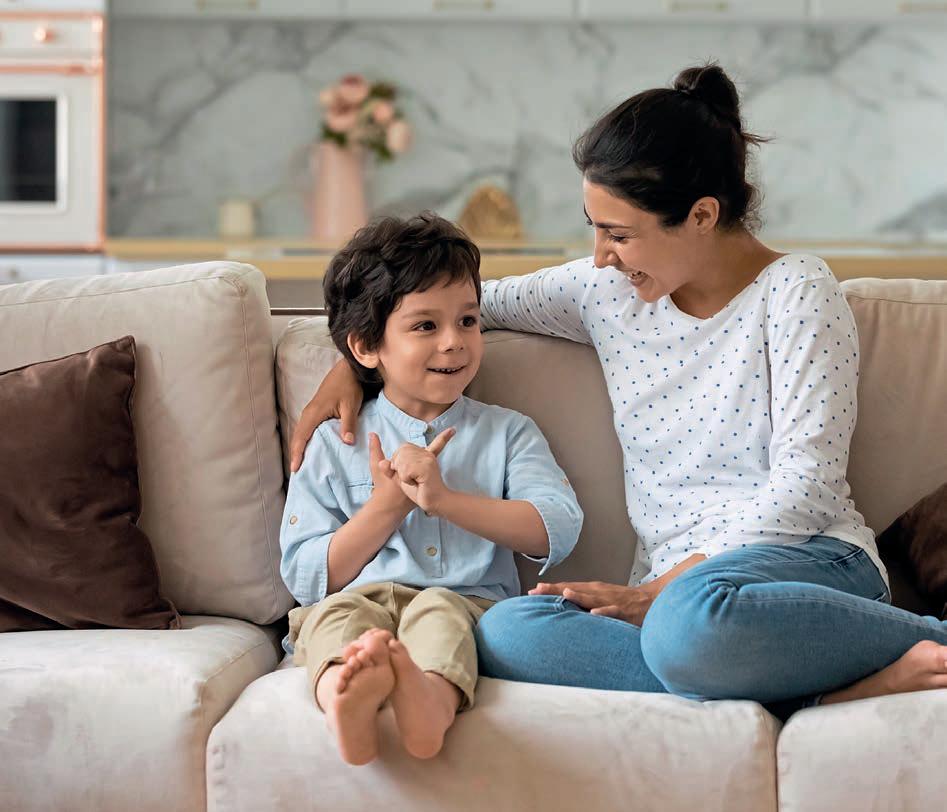 Recently, my 11-year-old son had to take part in a lockdown drill at his school. As a parent, the reality of why these precautions are necessary fills me with cold dread, but when he came to me with his concerns, I swallowed that dread and spoke to him of safety, of how secure he could feel in a school that knew how to take care of its kids in all eventualities. On the day of the drill itself, he was completely at ease.
'Children borrow our emotional state, so our calm presence becomes a signal of safety. Validation is equally important.


Diese Geschichte stammt aus der January 2026-Ausgabe von Psychologies UK.
Abonnieren Sie Magzter GOLD, um auf Tausende kuratierter Premium-Geschichten und über 9.000 Zeitschriften und Zeitungen zuzugreifen.
Sie sind bereits Abonnent? Anmelden
WEITERE GESCHICHTEN VON Psychologies UK

Psychologies UK
Your confidence renewal plan
As the pressure to 'begin again' reaches its peak, many of us feel anything but ready. Sally Saunders discovers why confidence dips — and how small acts can help us rise again.

4 mins
January 2026

Psychologies UK
HERBAL WISDOM to help you enjoy a calmer brighter new year
Ever made yourself a cup of soothing chamomile tea to help you sleep, or had fresh mint tea after a meal to aid digestion? If so, you're already familiar with the benefits of common herbal remedies.
5 mins
January 2026

Psychologies UK
Janette Manrara
The Strictly dancer feared losing her identity and career by having a baby - but says it's brought her unexpected personal and professional fulfilment.
2 mins
January 2026

Psychologies UK
Inventing a new way to understand ourselves
Kim's client Alice reveals her artistic side - and the 'new language' she has created to help her make sense of her beautiful brain.
3 mins
January 2026

Psychologies UK
OTHER PEOPLE'S STRESS...isn't yours to carry
Whether you're at home or work, visiting with friends or catching up with family, the start of the year can stir up old emotions and leave us feeling a little off-kilter. Because New Year's stress doesn't just come from the dark, the weather or even the lack of cash - it's also from the people around us.
7 mins
January 2026

Psychologies UK
Don't fear the D-WORD
While most of us associate this month with fresh starts — new routines, dry spells, gym sign-ups — those who work in the relationship world call it something far more sobering: divorce month. And for good reason.
4 mins
January 2026

Psychologies UK
HARMONY at home
We spend weeks preparing our homes for Christmas...but does anyone prepare for when it's over? You know the feeling: the decorations have come down, the mince pies have been eaten, but your home doesn't feel like it's supporting you into the new year. I believe this is because our homes hold energetic residue.
5 mins
January 2026

Psychologies UK
THE BALLET OF BECOMING: Gracefully navigating life's pitfalls
Sometimes staying grounded and dancing with the system can transform even our hardest moments...
3 mins
January 2026

Psychologies UK
The Science of Wellbeing: Forget willpower, try tapping into this inbuilt superpower for greater health
Each month, Ali Roff Farrar explores the deep and mysterious realms of psychology and neuroscience, to help us understand and reach greater levels of wellbeing in body and mind...
2 mins
January 2026

Psychologies UK
MOVING FROM GUILT TO GRACE
How many times a day do you hear yourself saying sorry? ‘Sorry, could I just…?’ ‘Sorry, I can’t make it tonight.’ ‘Sorry, I’m not free.’ We apologise for taking up space, for saying no, for changing our minds, even for wanting something different. Sometimes it just slips out before you’ve even had time to check if it belongs there.
8 mins
January 2026
Listen
Translate
Change font size