
Mit Magzter GOLD unbegrenztes Potenzial nutzen
Erhalten Sie unbegrenzten Zugriff auf über 9.000 Zeitschriften, Zeitungen und Premium-Artikel für nur
CRYSTAL SKULLS
Rock&Gem Magazine
|October 2025
A Tale of Fascinating Fakes
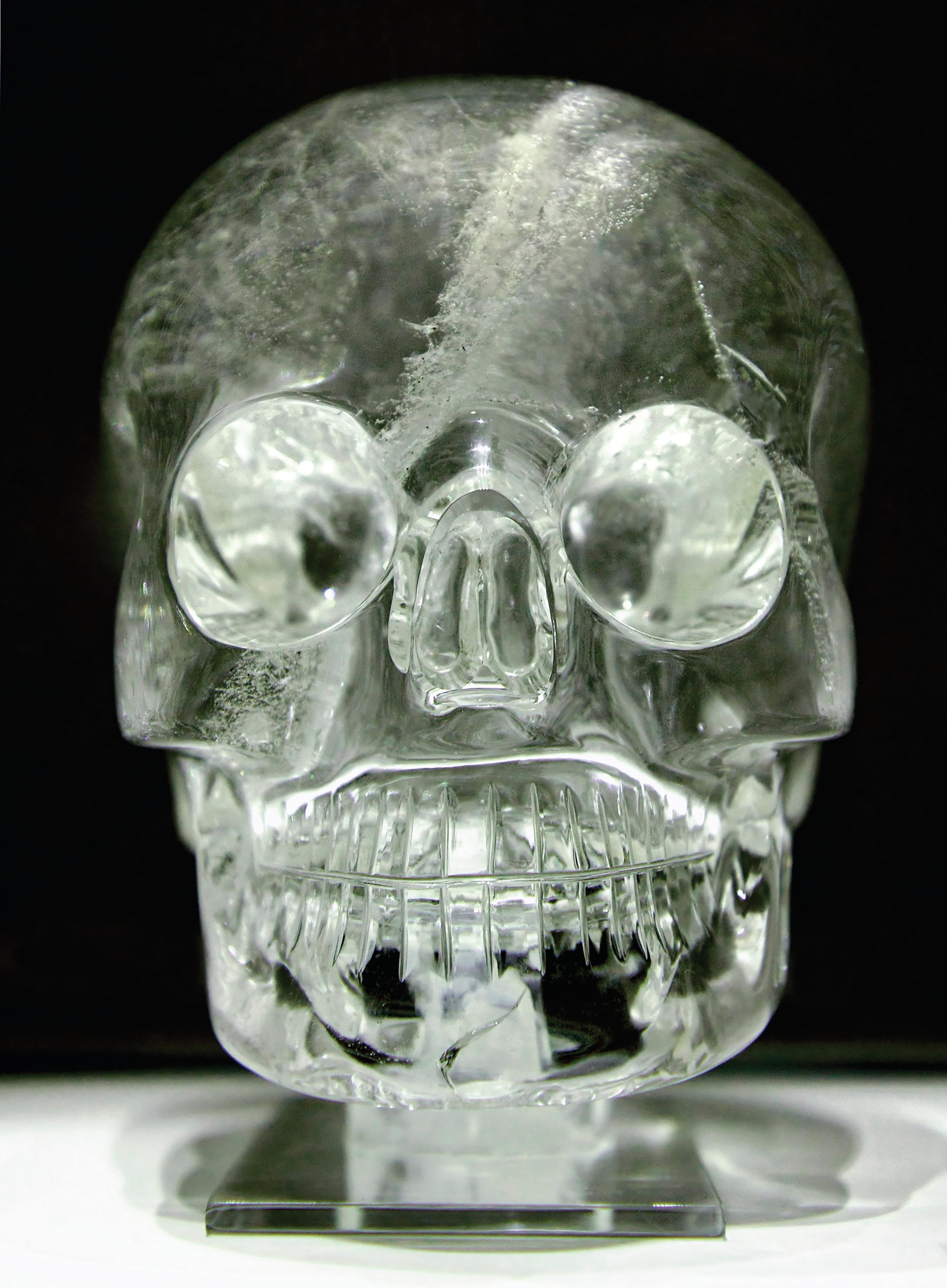
Frontal view of the British Museum skull, described by famed gemologist George Frederick Kunz as an authentic Aztec artifact. Wikimedia Commons
The late 1800s were heady years in Mesoamerica for a colorful and often shady mix of pseudo-archaeologists, grave robbers, treasure hunters, and antiquities dealers. Lured by an insatiable appetite for pre-Columbian relics on the part of museums and wealthy collectors in the United States and Europe, they sweated their way through the jungles of southern Mexico, Guatemala, Honduras, and British Honduras (now Belize), acquiring and selling the material legacy of the ancient Toltec, Maya, and Aztec civilizations. Of all these objects, the public was most intrigued by crystal skulls.
Cut from rock crystal and supposedly of ancient origin, these crystal skulls were near-life-sized carvings of human skulls. They would be investigated by scientists, sought by metaphysical practitioners, acquired by leading museums, celebrated in popular culture and, along the way, ingrained into the public imagination.
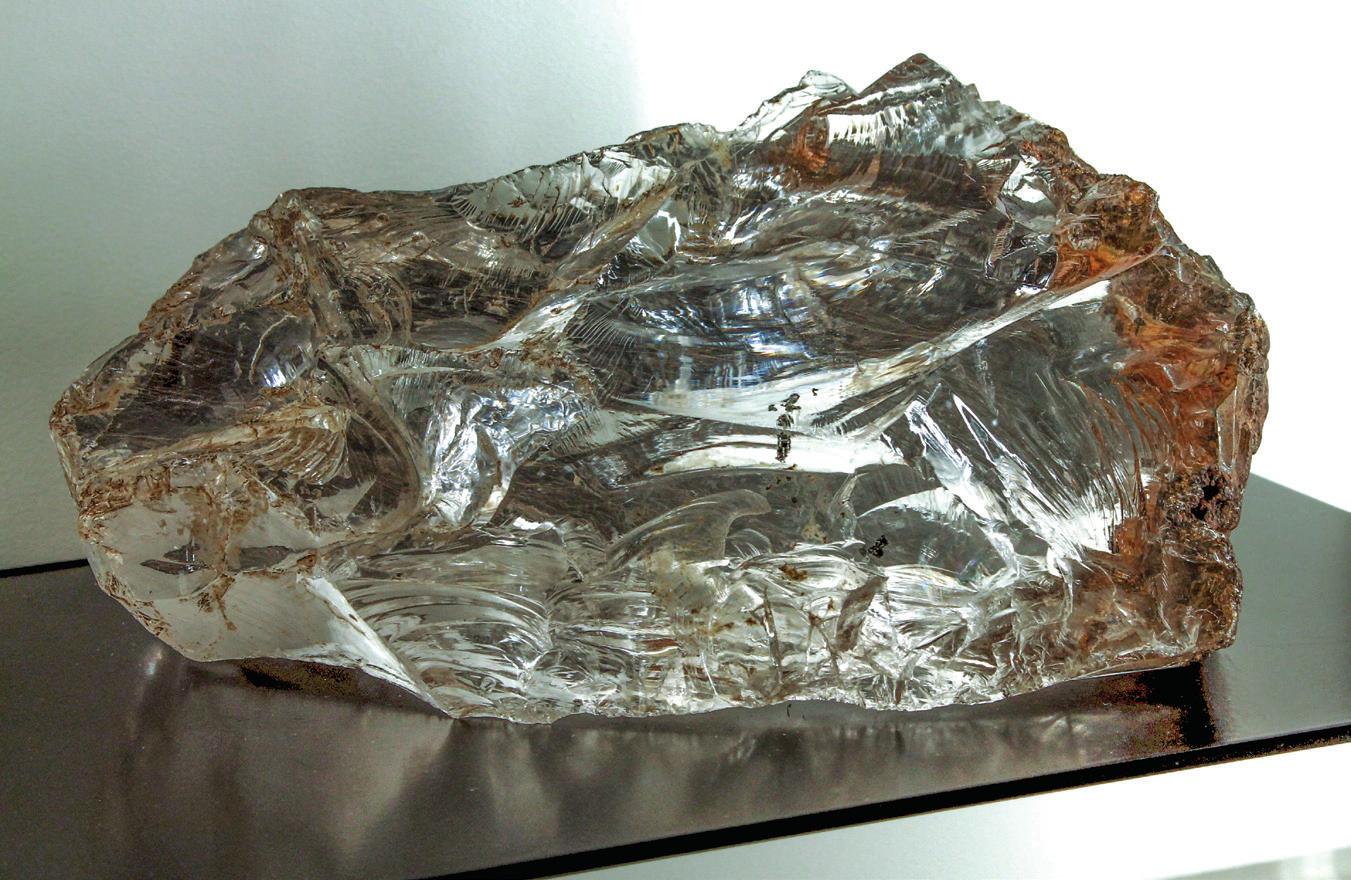 This two-foot-long museum specimen of colorless, transparent rock crystal is about the size that would have been needed to carve a life-sized human skull. Wikimedia Commons
EUGÈNE BOBAN
Of the 13 existing examples of crystal skulls, four—the British Museum, Paris, Mitchell-Hedges and Smithsonian skulls—are the most widely known. The origin of many of the 13 known skulls can be traced to a French antiquarian named Eugène Boban. The 23-year-old Boban arrived in Mexico in 1857, learned to speak Spanish and indigenous Nahuatl, and went into the antiquities business.

Diese Geschichte stammt aus der October 2025-Ausgabe von Rock&Gem Magazine.
Abonnieren Sie Magzter GOLD, um auf Tausende kuratierter Premium-Geschichten und über 9.000 Zeitschriften und Zeitungen zuzugreifen.
Sie sind bereits Abonnent? Anmelden
WEITERE GESCHICHTEN VON Rock&Gem Magazine
Rock&Gem Magazine
A New Amber Locality Fills a Gap
A sandstone quarry in central Ecuador has yielded the first significant deposit of Mesozoic amber from South America.

1 min
January / February 2026

Rock&Gem Magazine
Did "Left-Handed" Fish Leave Water Earlier than Thought?
Fossil evidence suggests that fish (or \"fishapods\") dragged themselves onto land during the middle Devonian Period.
1 min
January / February 2026

Rock&Gem Magazine
"Lab Quakes” Produce Surprising Results
When faults let loose and earthquakes result, the main effect we mortals experience is the violent shaking.
1 min
January / February 2026
Rock&Gem Magazine
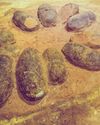
This Egg is No Spring Chicken
How to date a dino egg
1 min
January / February 2026

Rock&Gem Magazine
Have we Already Mined the Critical Minerals We Need
Then why are we throwing them away?!
1 min
January / February 2026
Rock&Gem Magazine
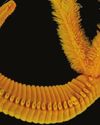
One Toxic Worm
A critter that creates & tolerates orpiment!
1 min
January / February 2026
Rock&Gem Magazine
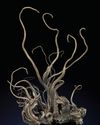
ROCK & GEM FIELD GUIDE: Silver
Silver (Ag) is a native element and one of Earth's most prized precious metals.
2 mins
January / February 2026
Rock&Gem Magazine
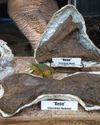
DINOSAURS OF THE HELL CREEK MUSEUM
In the Badlands of South Dakota, just outside the small town of Belle Fourche—pronounced “Bell Foosh”—a new attraction has taken shape that every dinosaur enthusiast should see. The Dinosaurs of the Hell Creek Museum is part hands-on exhibit, part science center and part active research lab.
3 mins
January / February 2026
Rock&Gem Magazine
The Lost Twins of Kongsberg
A Silver Story Resurfaced
3 mins
January / February 2026

Rock&Gem Magazine
Switzerland's ICE PALACE
Walk Inside a Glacier at The Top of Europe
7 mins
January / February 2026
Listen
Translate
Change font size