
Mit Magzter GOLD unbegrenztes Potenzial nutzen
Erhalten Sie unbegrenzten Zugriff auf über 9.000 Zeitschriften, Zeitungen und Premium-Artikel für nur
Ice-cream for breakfast, anyone?
WellBeing
|WellBeing 199
In kitchens throughout the world, there is a quiet revolution taking place. Intuitive eating is changing the way we think about food … one bite at a time.

At its very core, intuitive eating (IE) is the simple philosophy of honouring ourselves by trusting our minds and bodies and eating only when we are hungry.
It’s been called the anti-diet because no foods are taboo, there’s no kilojoule counting, no meal plans to religiously adhere to and no portion control. It is a backlash to diet culture and it’s called intuitive eating.
Babies and small children instinctively know how to eat intuitively. They’ll eat enough so their hunger is appeased, and no more. As they grow and develop into little humans, they are bombarded by media images, lured by sugary treats in bright wrapping paper and later held prisoner to a diet ethos that feeds into often unrealistic body images, all of which impact on body positivity and body acceptance.
What does intuitive eating really mean?
IE is an evidence-based health approach created in 1995 by two dietitians, Elyse Resch and Evelyn Tribole. They have developed 10 core principles to guide people through what IE is in a nutshell and have penned a book that many consider the holy grail of IE. It’s now in its fourth incarnation.
Dietitian Nina Mills from Feel Good Eating says IE is a way of tuning into the biology of hunger cues, because there are so many emotions associated with food. “I like to think of intuitive eating as a way of coming home to our bodies,” she explains.
IE is a revolutionary way of thinking that’s liberating, comforting and thought-provoking. It’s food without judgement. It’s letting go of “good” or “bad” food labels and, in a broader sense, it’s giving yourself unconditional permission to nibble, taste, snack on or scoff whatever you fancy.
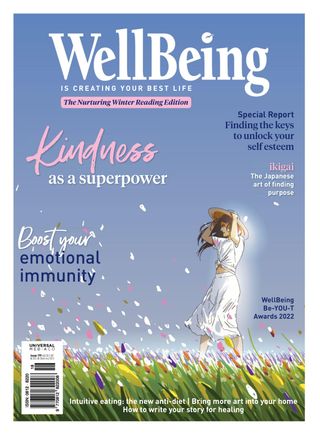

Diese Geschichte stammt aus der WellBeing 199-Ausgabe von WellBeing.
Abonnieren Sie Magzter GOLD, um auf Tausende kuratierter Premium-Geschichten und über 9.000 Zeitschriften und Zeitungen zuzugreifen.
Sie sind bereits Abonnent? Anmelden
WEITERE GESCHICHTEN VON WellBeing
WellBeing
In Season
These are the fruit and vegetables that are currently in season and so will be the freshest.

1 min
Issue 218

WellBeing
Navigating complementary medicines
For practitioners, quality and evidence matter more than ever. SFI Health is raising the bar with gold-standard formulations that don't compromise on clinical integrity.
5 mins
Issue 218
WellBeing
Too much of a good thing
Even well- intentioned health choices can sometimes contribute to unexpected problems.
3 mins
Issue 218

WellBeing
What we've been up to
WellBeing's editor Dana has been soaking up slow moments of warmth this winter.
1 min
Issue 218
WellBeing
Could creatine have a dark side?
Creatine is a multitalented wonder potion we all need to protect us against the ravages of ageing.
3 mins
Issue 218

WellBeing
ACS Distance Education
The secret to a successful career.
3 mins
Issue 218

WellBeing
Yoga for Energy Vampires
In yoga, prana is our life force and acts as a bridge between universal consciousness and matter.
8 mins
Issue 218

WellBeing
Chinese medicine dietary therapy
Food therapy may augment TCM herbal therapy or sustain improvements after herbal treatments have ceased. It may also be used in prevention, to nourish health and prolong life.
3 mins
Issue 218
WellBeing
AcuEnergetics®
AcuEnergetics received widespread attention in the media when founder Kevin Niv Farrow treated the captain of the NSW State of Origin team Boyd Cordner for a calf injury. Since then, the unique treatment modality has continued to capture the attention of other high-profile sports stars.
1 mins
Issue 218
WellBeing
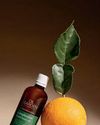
Honouring a legacy in aromatherapy
Our oils are extracted with precision and care to ensure the active plant compounds remain intact, preserving the therapeutic benefits from field to bottle.
3 mins
Issue 218
Translate
Change font size