Caffeine Demystified
Diabetes Health
|October/November 2025
Sunila Kelkar, with inputs from Dr Ragini Bhake, elucidates why the world's love affair with caffeine is all enduring.
-
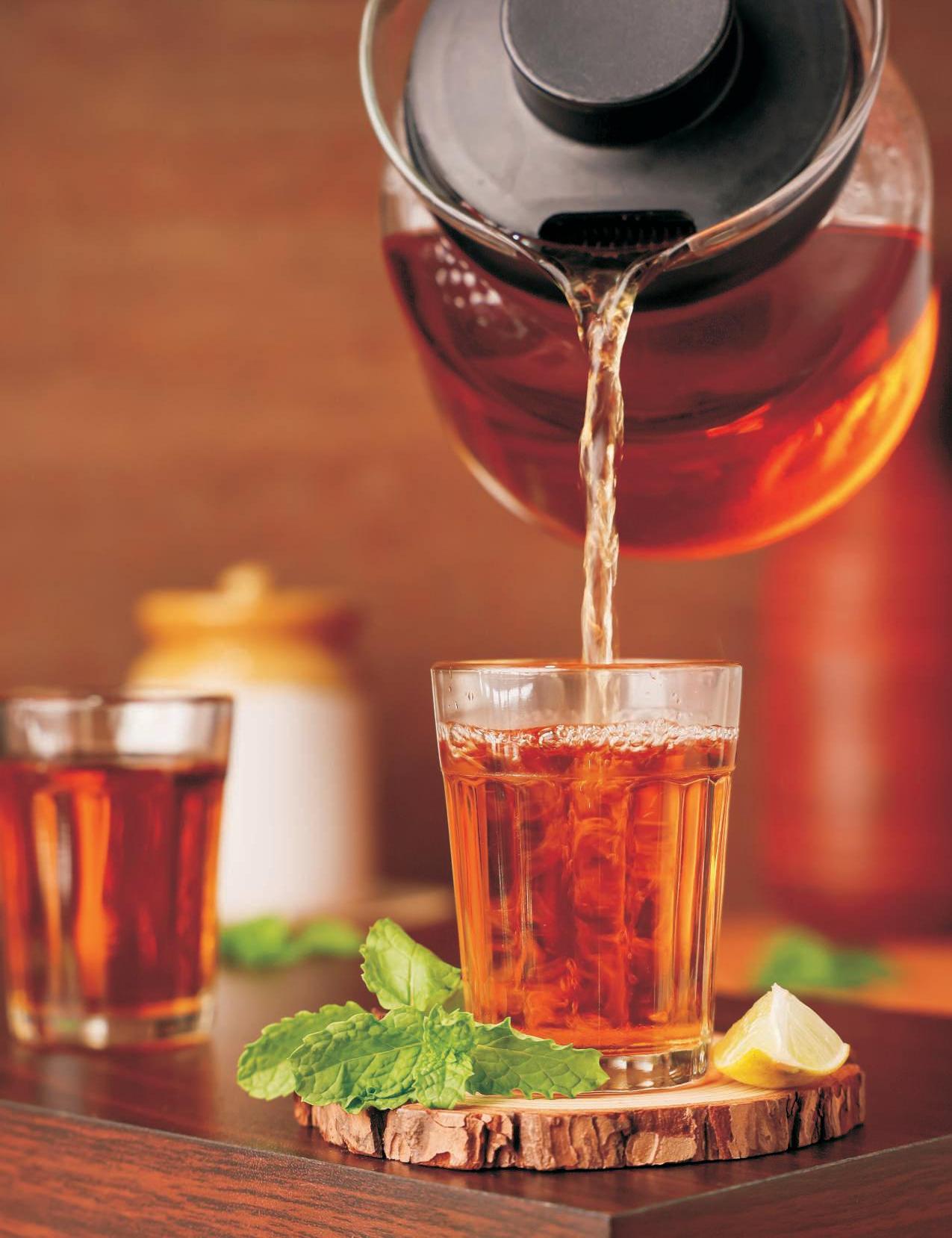
Without my morning coffee I'm just like a dried-up piece of roast goat.
- Johann Sebastian Bach
In 1732, Bach composed the “Coffee Cantata,” which celebrated the delights of coffee in the life of a young bride.
Did you know?
The word “caffeine” is from the German Kaffe (coffee). Caffeine was first discovered in 1819 by the collaborative efforts of German scientist Friedlieb Ferdinand Runge (1795-1867) and writer Johann Wolfgang von Goethe (1749-1832). In the 18th century, coffee was forbidden for women of childbearing age because of a fear it led to infertility.
- Dark roasted coffees actually have less caffeine than lighter roasts. The process of roasting burns off the caffeine.
- Women metabolise caffeine about 25 per cent faster than men. Asians metabolise caffeine more slowly than Caucasians.
- Caffeine is not just found in food and beverages but in various medications. It is often added to analgesics (pain relievers) to provide faster and more effective relief from pain and headaches.
- Caffeine can interact with various medications. It can cause your body to break down a medication too quickly so that it loses its effectiveness. It can cause a dangerously fast heartbeat and high blood pressure if taken with other stimulant medications.
What is caffeine?
Caffeine stimulates (increases) the production of some chemicals in the brain called neurotransmitters. Caffeine is a short-acting stimulant. Neurotransmitters regulate several bodily functions mediated by the central nervous system. Caffeine promotes wakefulness, enhances physical performance and cognitive function in some individuals who consume it.

Diese Geschichte stammt aus der October/November 2025-Ausgabe von Diabetes Health.
Abonnieren Sie Magzter GOLD, um auf Tausende kuratierter Premium-Geschichten und über 9.000 Zeitschriften und Zeitungen zuzugreifen.
Sie sind bereits Abonnent? Anmelden
Listen
Translate
Change font size