
Mit Magzter GOLD unbegrenztes Potenzial nutzen
Erhalten Sie unbegrenzten Zugriff auf über 9.000 Zeitschriften, Zeitungen und Premium-Artikel für nur
LET'S SPLIT IT
Horticulture
|January - February 2024
THE INS AND OUTS OF PROPAGATION BY DIVISION

One of my favorite lessons in the Fundamentals of Gardening course I teach for the New York Botanical Garden is on plant propagation, or as I like to call it, Making More Plants-borrowed from the title of an excellent book by Ken Druse.
Over the years, I have watched the wonderment in the eyes of hundreds of students as they realized that their gardens can be plant nurseries, that they can create their own plants from what they already own.
Learning how to propagate is a seminal moment in the life of every new gardener as they establish the seasonal tasks that will shape the routines and rituals of their craft.
There are two main types of plant propagation: sexual, from seeds; and asexual, from plant parts (also known as vegetative propagation). There are reasons to choose one form over another.
The prime value of vegetative reproduction is that it creates an exact replica, or clone, of the plant you own. There are several different vegetative propagation techniques, including layering, taking cuttings and dividing. The best method to choose is determined by the plant you want to make more of.
DARYL BEYERS is a gardening educator, designer and writer based in California. A frequent contributor to Horticulture, he is authoring a series on propagation in 2024.
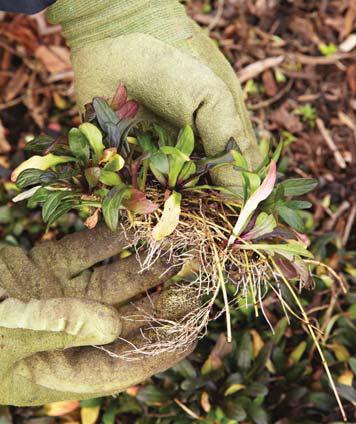
Division is the most straightforward method of vegetative plant propagation and the technique most often employed by gardeners on a regular basis. The trick is to divide a single plant into two or more plants complete with roots, stems and leaves. Pro tip: The leaves can be optional, though it's good to include some foliage to kickstart growth through photosynthesis.
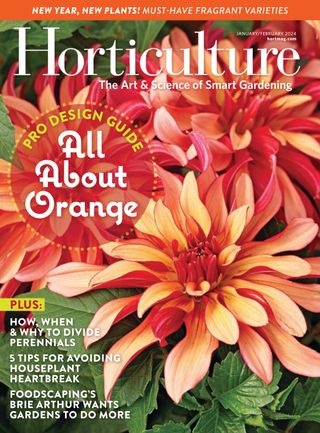

Diese Geschichte stammt aus der January - February 2024-Ausgabe von Horticulture.
Abonnieren Sie Magzter GOLD, um auf Tausende kuratierter Premium-Geschichten und über 9.000 Zeitschriften und Zeitungen zuzugreifen.
Sie sind bereits Abonnent? Anmelden
WEITERE GESCHICHTEN VON Horticulture
Horticulture
Top Tomatoes, Perfect Peppers
How to make 2026 your best year for these favorite crops

6 mins
Winter 2025

Horticulture
Cutting Gardens
You don't need a sprawling estate to grow your own bouquets
4 mins
Winter 2025

Horticulture
from Shed to Studio
A PREFAB BUILDING BECOMES A DREAM WORKSPACE IN THE GARDEN
6 mins
Winter 2025
Horticulture
A YEAR-END REVIEW
Looking back at some highs, lows and lessons learned in the 2025 gardening season
6 mins
Winter 2025

Horticulture
Always in Season
A multifaceted shrub like oakleaf hydrangea deserves a prime position. This one brings new interest to the front garden each season.
5 mins
Winter 2025

Horticulture
RESILIENT Roses
Heritage varieties flourish at Philadelphia's historic Wyck garden
5 mins
Winter 2025

Horticulture
HOW TO GARDEN SMART
“WORK SMARTER, NOT HARDER.” No doubt you’ve heard this before, usually from some consultant sent down by Corporate. Sounds great, but a week later, what? Your boss is telling you to stop thinking so much and work harder!
2 mins
Winter 2025

Horticulture
A GLIMPSE AT THE FUTURE
How quantum computers may help us recognize and build more perfect ecologies
4 mins
Winter 2025
Horticulture
A CELEBRATION OF CONES
A closer look at the form and function of conifers' unique fruits
2 mins
Winter 2025

Horticulture
ALL-AMERICA SELECTIONS
Meet the 2025 class of ornamental AAS winners
8 mins
Winter 2025
Translate
Change font size