
Mit Magzter GOLD unbegrenztes Potenzial nutzen
Erhalten Sie unbegrenzten Zugriff auf über 9.000 Zeitschriften, Zeitungen und Premium-Artikel für nur
BLUEBERRIES & CO.
Horticulture
|September - October 2024
Members of the genus Vaccinium provide sweet flavor, health benefits and beauty in the garden
-
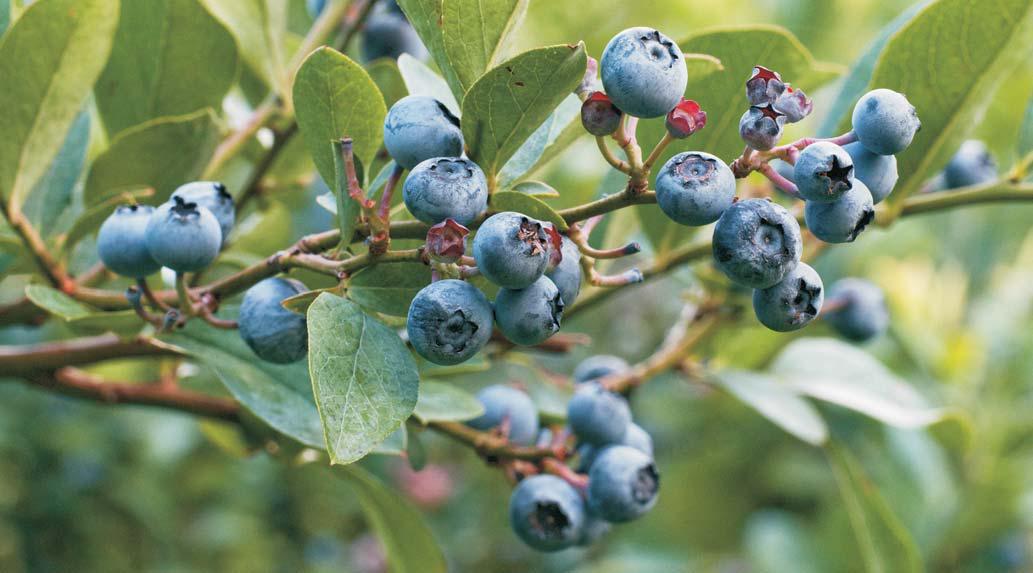
ISN'T IT THRILLING how the simple things we like as children often unfold into worlds of information and meanings as we mature? Take blueberries, for instance.
They were a special treat when I was five years old-something mom brought home from the King Kullen market to our neat and tidy neighborhood on Long Island's north shore. But then, when I was eight, my parents pulled up stakes and moved our family to the wilds of the Pocono Mountains in Pennsylvania.
Not long after moving, I lay in my bed one night and watched as fire consumed the slopes of Blue Mountain, a terminal moraine about two miles from our house. I thought it must be a disaster, but my dad explained that the fires were set deliberately. Local folks set the fires, he said, to clear out underbrush and tree growth so that more sunlight could reach the ground and stimulate the growth of wild blueberries that were a source of income for them.
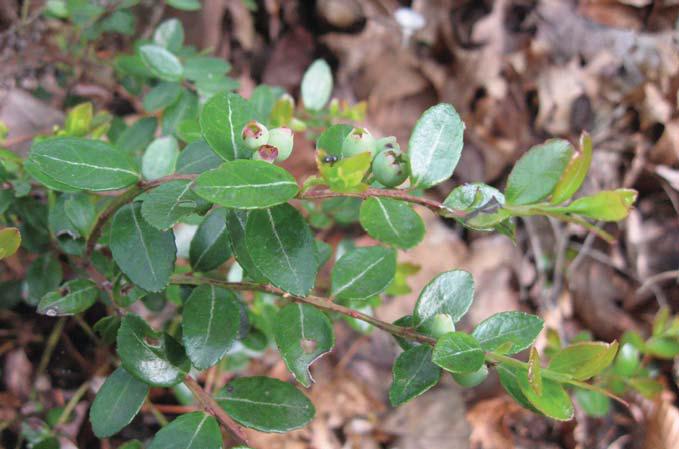 Later, in high school biology, the teacher said that commercial blueberries were developed in the early 20th century from wild species in marshy lands on the Pocono Plateau and in the southern New Jersey pine barrens. The Pennsylvania species was mostly the high-bush blueberry, Vaccinium corymbosum, which can reach seven feet tall, while in the poor sandy soils of southern New Jersey, the berries were mostly lowbush blueberries, V. pallidum or V. angustifolium, which grow from 18 to 30 inches tall.
Since these wildings entered commerce, breeders have developed many crosses between high-bush and low-bush species, generally categorized as half-high blueberries, and heat-tolerant rabbit-eye blueberries (Vaccinium virgatum) that do well in the southern states. There are hundreds of named varieties descended from native North American species and thousands around the world. And that's just for blueberries.

Diese Geschichte stammt aus der September - October 2024-Ausgabe von Horticulture.
Abonnieren Sie Magzter GOLD, um auf Tausende kuratierter Premium-Geschichten und über 9.000 Zeitschriften und Zeitungen zuzugreifen.
Sie sind bereits Abonnent? Anmelden
WEITERE GESCHICHTEN VON Horticulture
Horticulture
Top Tomatoes, Perfect Peppers
How to make 2026 your best year for these favorite crops

6 mins
Winter 2025

Horticulture
Cutting Gardens
You don't need a sprawling estate to grow your own bouquets
4 mins
Winter 2025

Horticulture
from Shed to Studio
A PREFAB BUILDING BECOMES A DREAM WORKSPACE IN THE GARDEN
6 mins
Winter 2025
Horticulture
A YEAR-END REVIEW
Looking back at some highs, lows and lessons learned in the 2025 gardening season
6 mins
Winter 2025

Horticulture
Always in Season
A multifaceted shrub like oakleaf hydrangea deserves a prime position. This one brings new interest to the front garden each season.
5 mins
Winter 2025

Horticulture
RESILIENT Roses
Heritage varieties flourish at Philadelphia's historic Wyck garden
5 mins
Winter 2025

Horticulture
HOW TO GARDEN SMART
“WORK SMARTER, NOT HARDER.” No doubt you’ve heard this before, usually from some consultant sent down by Corporate. Sounds great, but a week later, what? Your boss is telling you to stop thinking so much and work harder!
2 mins
Winter 2025
Horticulture
A GLIMPSE AT THE FUTURE
How quantum computers may help us recognize and build more perfect ecologies
4 mins
Winter 2025
Horticulture
A CELEBRATION OF CONES
A closer look at the form and function of conifers' unique fruits
2 mins
Winter 2025

Horticulture
ALL-AMERICA SELECTIONS
Meet the 2025 class of ornamental AAS winners
8 mins
Winter 2025
Listen
Translate
Change font size