Versuchen GOLD - Frei
Tread LIGHTLY
Hobby Farms
|September/October 2025
Understand foot rot in sheep and goats.
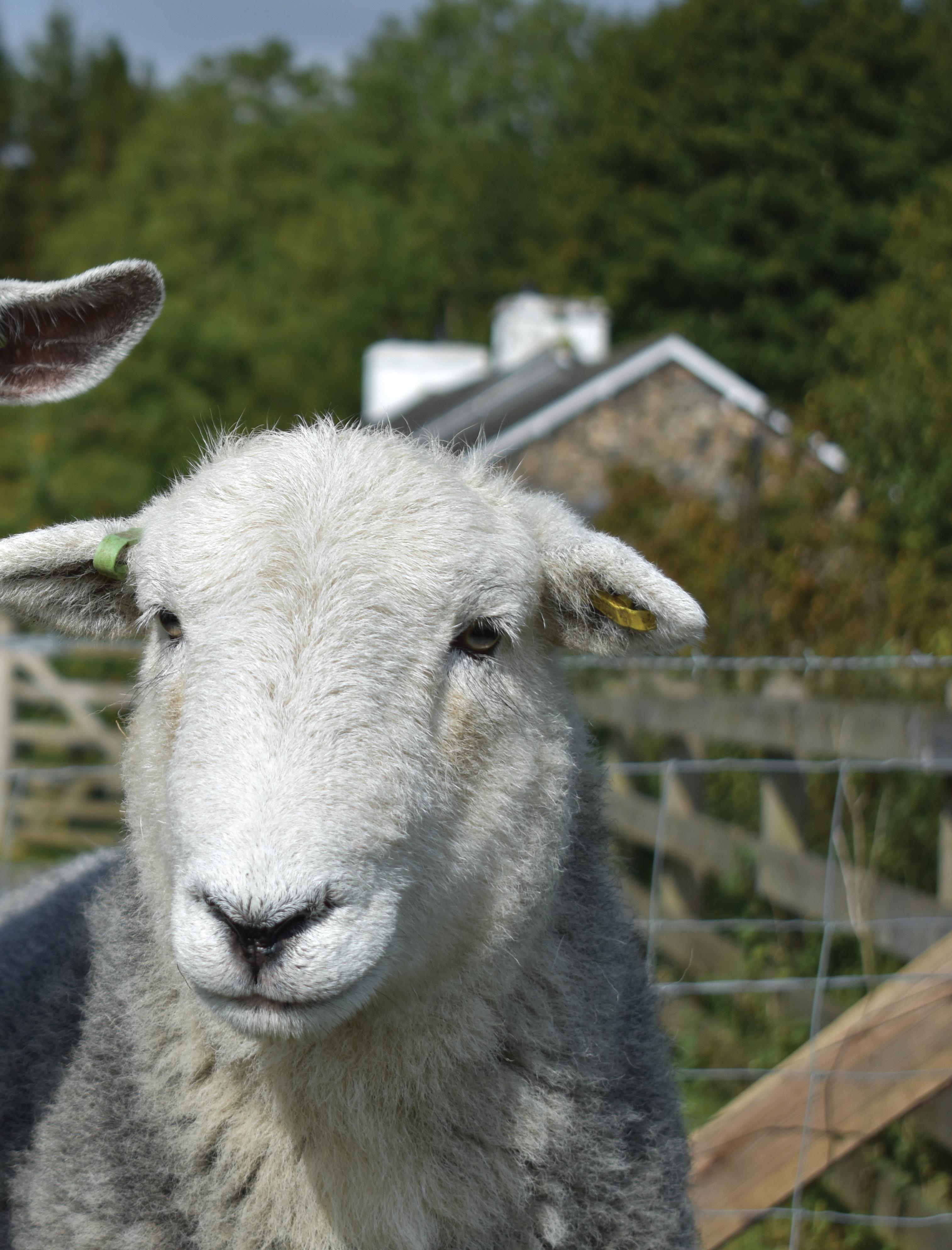
If you own sheep or goats or are even just thinking about dabbling in the wide world of small ruminants, you've likely encountered the term “foot rot.” This is because foot rot is one of the most common and debilitating diseases that affects sheep and goats, impacting animal welfare and your bottom dollar. Understanding the causes of this troublesome hoof disease as well as how to treat and prevent it go a long way in helping you manage and mitigate the impact of this disease in your flock.
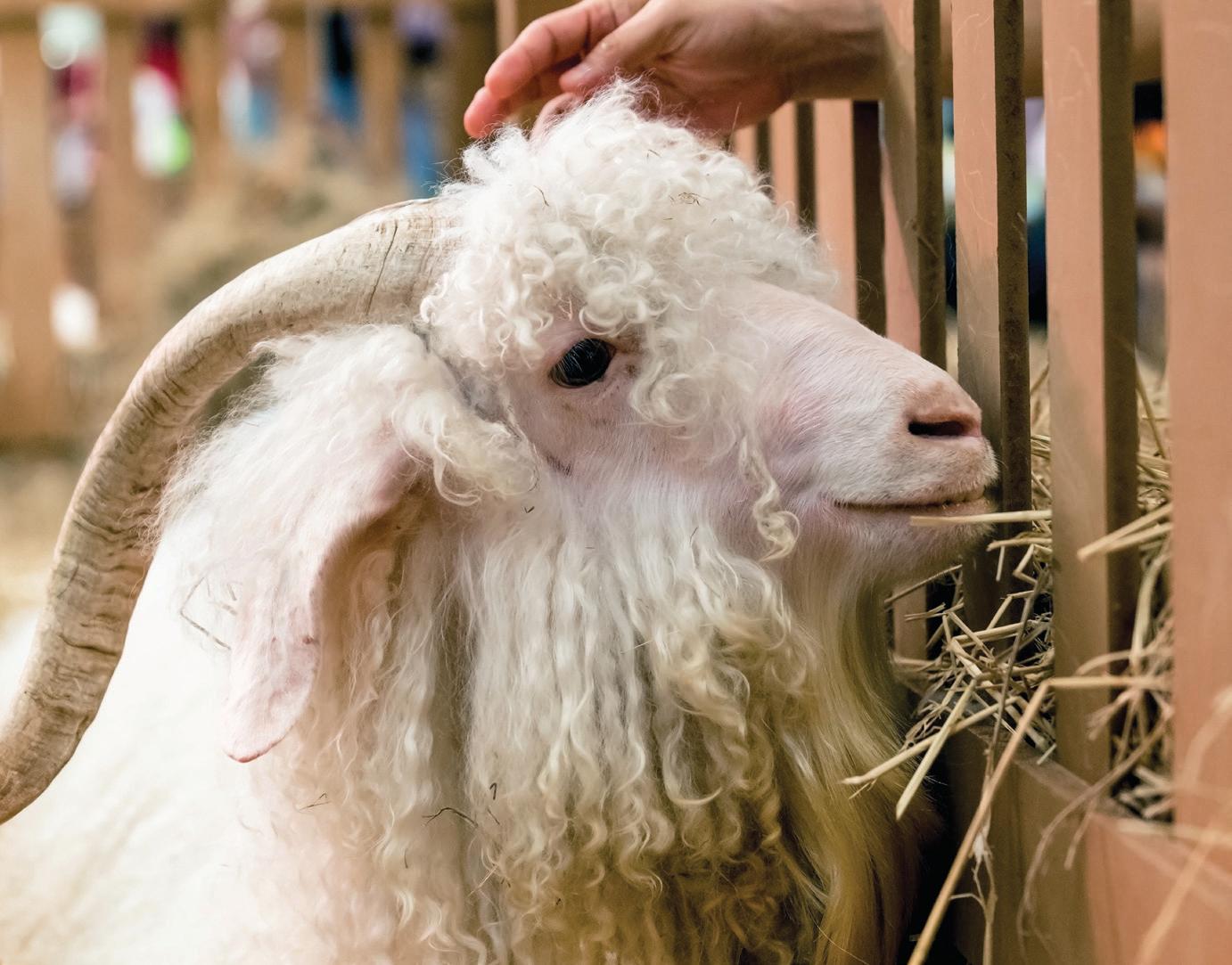 WHAT IS FOOT ROT?
Foot rot is a disease of the hoof caused by a bacterial infection from the environment. It’s highly contagious and can impact an entire flock. However, to really understand how the disease impacts your animals, we have to dig a bit deeper.
Foot rot is interesting in that it requires a combination of two concurrent bacterial infections working together to result in tissue damage. The first bacterial species involved is called Fusobacterium necrophorum. F. necrophorum is part of the normal gut flora in the large intestines of sheep and goats. It therefore is also commonly found in manure and soil where it typically doesn’t cause a problem. However, when conditions are right — meaning excessively damp and usually cold weather — the skin above and between the hooves can become irritated. This can allow F. necrophorum access to the foot.
Alone, F. necrophorum can cause a relatively minor foot condition called “foot scald.” This is characterized by red, irritated skin, typically between the two hoof claws in an area called the interdigital space. On its own, F. necrophorum doesn't infect the hoof itself, but it sets the stage for foot rot.


Diese Geschichte stammt aus der September/October 2025-Ausgabe von Hobby Farms.
Abonnieren Sie Magzter GOLD, um auf Tausende kuratierter Premium-Geschichten und über 9.000 Zeitschriften und Zeitungen zuzugreifen.
Sie sind bereits Abonnent? Anmelden
WEITERE GESCHICHTEN VON Hobby Farms

Hobby Farms
NEW YEAR, NEW CROPS
As you make your garden plans for this season, consider these picks from growers across the country.

6 mins
January / February 2026

Hobby Farms
Garden-Scale Crop Rotation
You don't have to be a big-time farmer to benefit from rotating crops.
4 mins
January / February 2026
Hobby Farms
BELTED GALLOWAY CATTLE
The unique appearance of Belted Galloway cattle inspires many questions about their origins.
1 min
January / February 2026
Hobby Farms
Goat Parasites
Grazing on an overly soiled pasture can sometimes lead parasites in your goat herd.
3 mins
January / February 2026

Hobby Farms
Rediscover Ancient Grains
Explore these nutritious and adaptable grains, known by many cultures over thousands of years.
8 mins
January / February 2026

Hobby Farms
HIGHLAND CATTLE
Highland cattle are an old heritage breed known to have grazed the rugged Scottish landscape since the 6th century.
1 mins
January / February 2026
Hobby Farms
SAY CHEESE
KEEP 'EM COMING
1 min
January / February 2026

Hobby Farms
DIY Essential Oils
Steam-distill your own essential oils at home.
6 mins
January / February 2026

Hobby Farms
Kubota Goes Grand
Kubota Tractor Corp. has unveiled its latest innovation for small-scale farmers and landowners: the Grand L70 Series. Designed with residential and commercial users in mind, this series blends power, comfort and cutting-edge technology into one versatile machine. With three configurations available — premium, deluxe and cold weather — the Grand L70 Series is built to meet the diverse needs of today’s small farms and rural properties.
1 min
January / February 2026

Hobby Farms
Raising a Bottle Calf
Being raised on a dairy farm, I don't remember a time when I wasn't well-versed in the raising of bottle calves.
9 mins
January / February 2026
Listen
Translate
Change font size