
Mit Magzter GOLD unbegrenztes Potenzial nutzen
Erhalten Sie unbegrenzten Zugriff auf über 9.000 Zeitschriften, Zeitungen und Premium-Artikel für nur
Versuchen GOLD - Frei
Pullet Priming
Hobby Farms
|Healthy Hens 2026
Getting your young layers off to a great egg-producing start requires more than just switching to a layer feed.
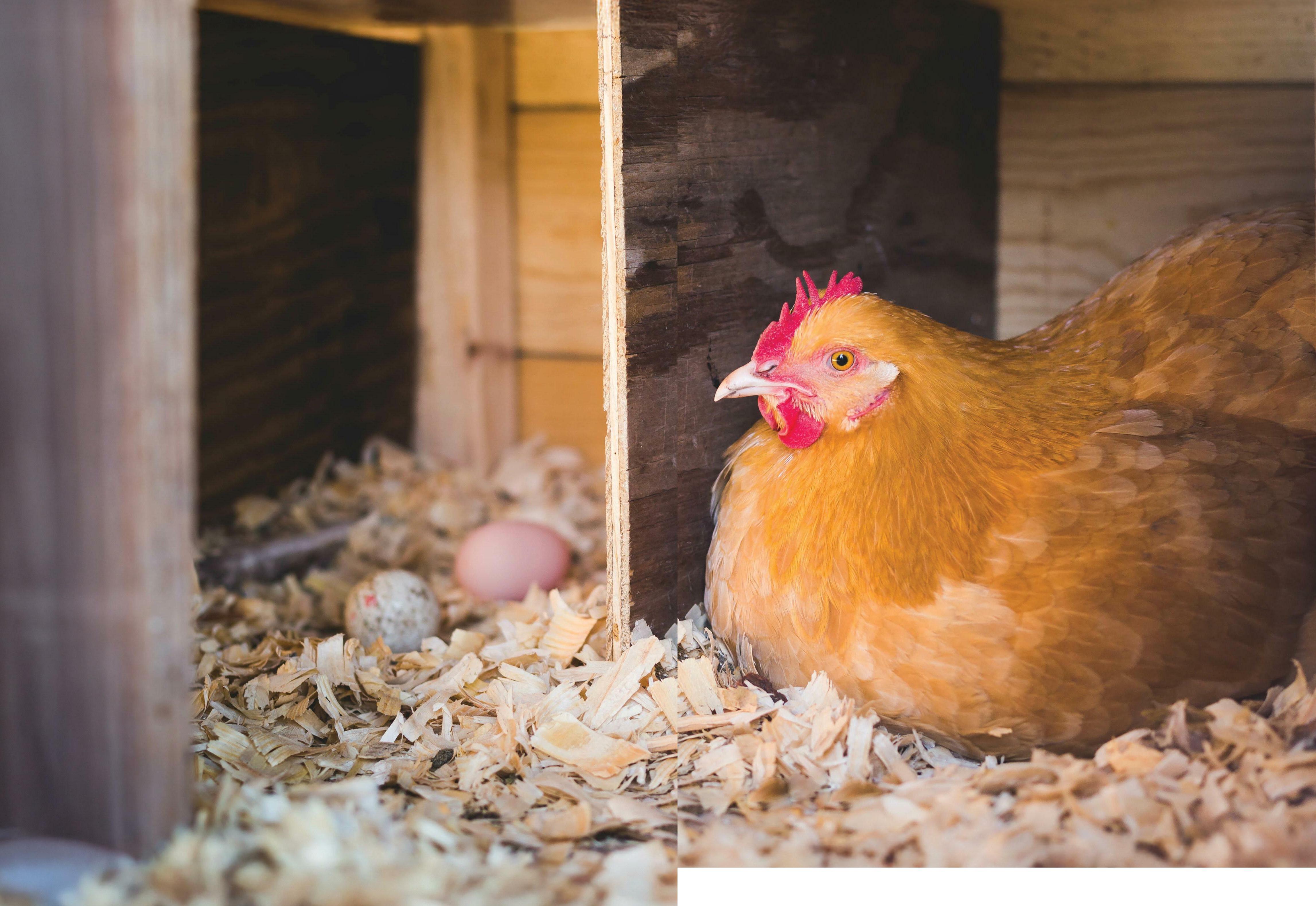
You've done the research. You've chosen your breeds, and your coop is freshly painted and ready to go. There are egg recipe books stacked high on the kitchen counters, and if you're anything like me with my first flock of chicks, tiny peeping noises are coming from the tub in your bathroom. So, what comes next?
Getting your laying birds off to a healthy start in life sets the stage for how well they'll lay for years to come. As you'll soon see, those tiny fluffy chicks grow in a matter of weeks. Their bodies are designed to grow rapidly and reach maturity quickly while still meeting developmental and physical milestones. But as their keeper, their surrogate mother hen, you have a big responsibility to feed those little bodies. Because one day, they'll feed you.
FIRST MOLT
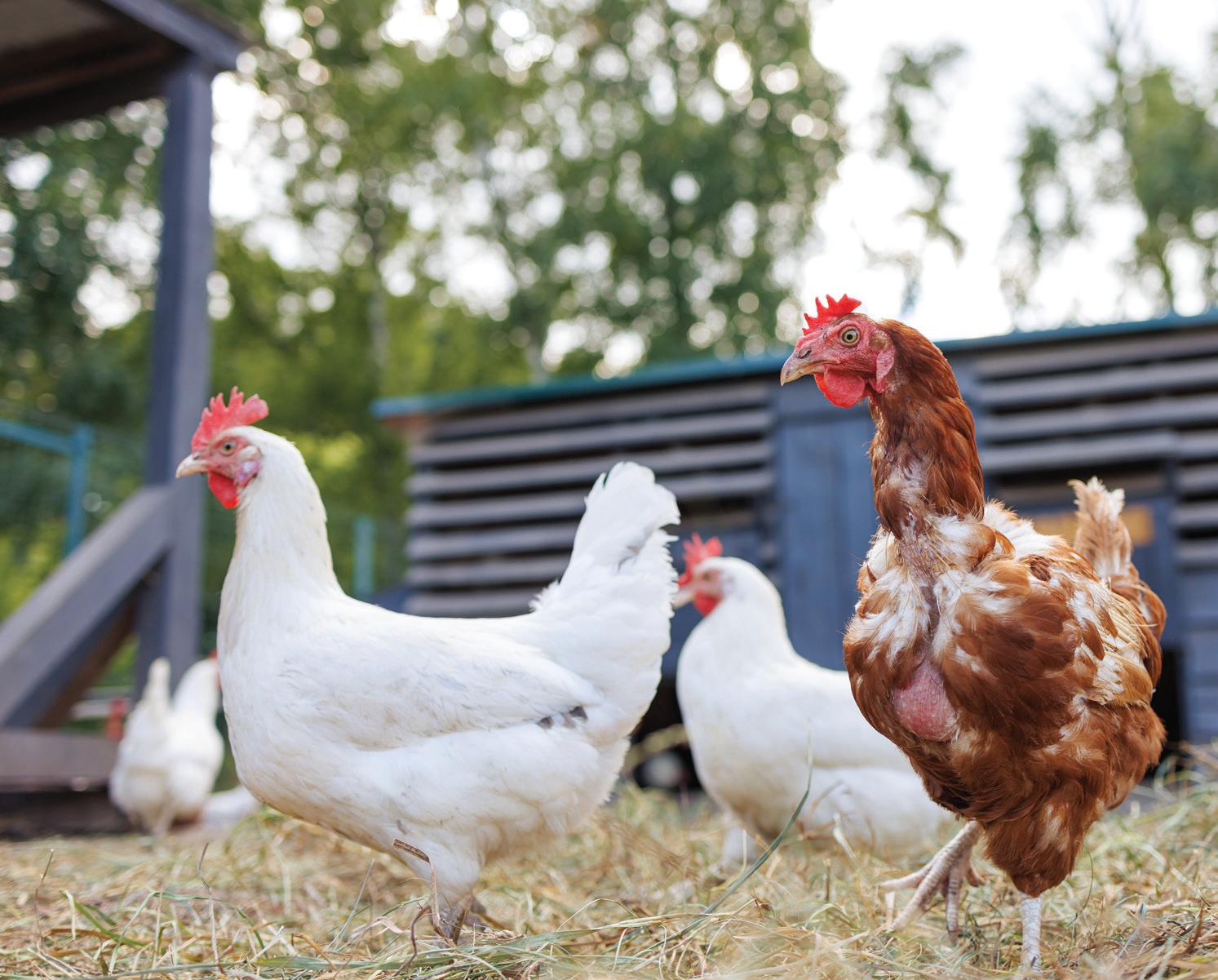
At some time during the birds’ first autumn, they'll lose all their feathers and look positively disheveled. But don’t panic. Unless you can confirm or suspect a true illness or disease, your birds are probably molting.
Molting is a normal process of shedding feathers and regrowing new ones that all birds do. During this time, most egg laying will cease because the process is so taxing on a bird’s body. Hens still need to eat quite a bit and probably even need a little protein boost. Mealworms are a great treat, and allowing a chicken to forage for her own bugs on pasture while molting will support her through this annual process.
 START AT THE BEGINNING
Chicks need all the elements for proper health and growth that adult birds do — just on a smaller scale. Chicks require adequate space in their brooder, roots to perch on (and practice flying up to, to strengthen legs and wings), fresh water, grit if given treats and, very importantly, the proper feed.

Diese Geschichte stammt aus der Healthy Hens 2026-Ausgabe von Hobby Farms.
Abonnieren Sie Magzter GOLD, um auf Tausende kuratierter Premium-Geschichten und über 9.000 Zeitschriften und Zeitungen zuzugreifen.
Sie sind bereits Abonnent? Anmelden
WEITERE GESCHICHTEN VON Hobby Farms
Hobby Farms
AN HERB TO AVOID IN WINTER
While many culinary herbs are beneficial in winter, some members of the mint family are best to avoid when temperatures dip below 40 degrees Fahrenheit.

1 min
Healthy Hens 2026
Hobby Farms
Golden Girls
Discover some of the most overlooked health issues in aging hens.
6 mins
Healthy Hens 2026
Hobby Farms
Winter Tea Supplement
Several years ago, I noticed that while my healthy hens were robust during the growing season, their health declined a little during winter when they weren’t regularly consuming herbs or other greens.
2 mins
Healthy Hens 2026
Hobby Farms
Cool CHOOKS
Most chicken breeds are pretty hardy, but you can still make them more comfortable by offering them some escape from the summer heat.
7 mins
Healthy Hens 2026
Hobby Farms
Feeding Fowl
What you feed, how you supplement and when you treat will make all the difference for your chickens.
10 mins
Healthy Hens 2026
Hobby Farms
Egg-Eating Hens
Egg-eating hens can be a frustrating and costly problem for backyard chicken-keepers.
6 mins
Healthy Hens 2026

Hobby Farms
Potent PREDATORS
Take precautions, as these 15 marauders can wipe out an entire flock.
12 mins
Healthy Hens 2026
Hobby Farms
15 TOXIC PLANTS
Don't let your chickens eat these common plants.
6 mins
Healthy Hens 2026
Hobby Farms
BUG Off!
Bugs, who needs 'em? Certainly not chicken-keepers, who sometimes struggle to keep pesky flies and poultry parasites at bay.
7 mins
Healthy Hens 2026
Hobby Farms
ALPHA Hens
With or without a flock rooster, one lady always steps up to be the queen.
7 mins
Healthy Hens 2026
Listen
Translate
Change font size