Versuchen GOLD - Frei
Everyday Magic
Food & Wine
|November 2025
Why the simplest recipes can also be the most sacred
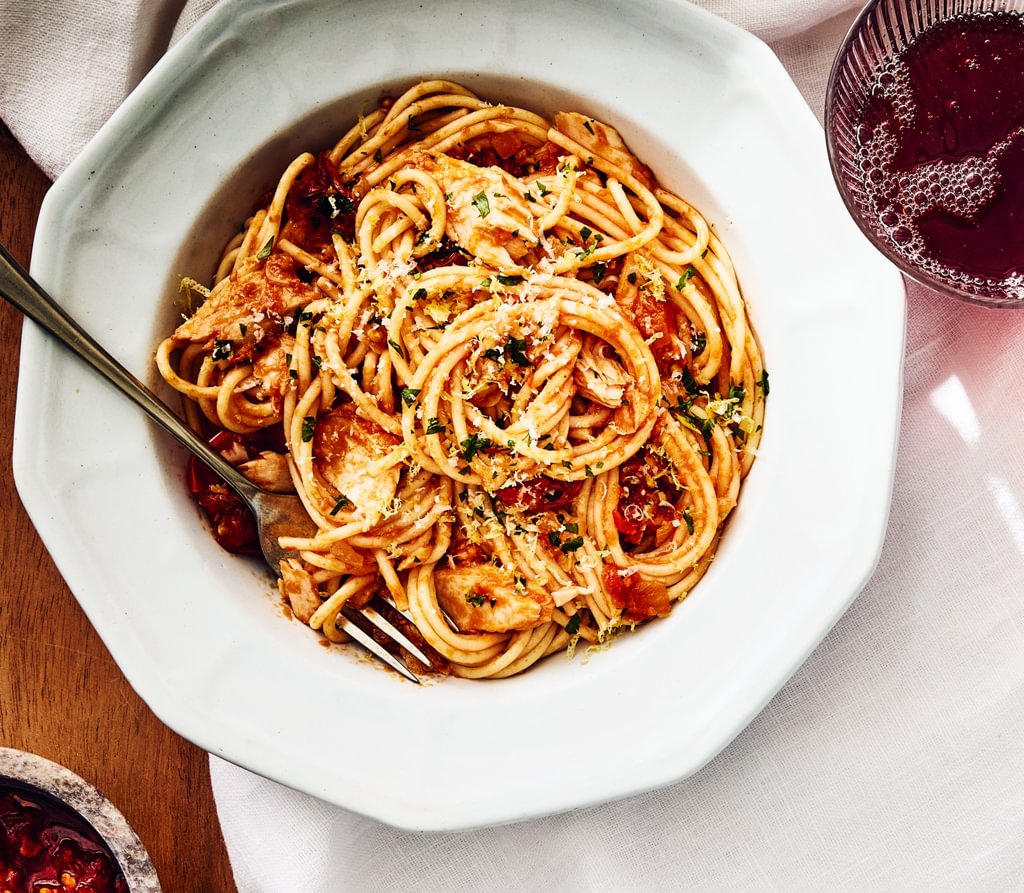
THIS MIGHT COME AS A SURPRISE, considering my profession, but much of the time, feeding myself—and anyone else I’m responsible for—can feel like a chore. I know I’m not alone in this. Cooking often is a chore—there’s the labor of deciding what to make, of shopping for groceries, and, of course, the inevitable mess to clean. Yet, the act of feeding ourselves lies at the heart of daily life. I’ve begun to wonder: If this is how so many of us spend such a large portion of our time, then couldn’t we try to make it time well spent? As Annie Dillard once wrote, “Who would call a day spent reading a good day? But a life spent reading—that is a good life.”
I’d argue that a life spent cooking is also a good life. Most of us spend the bulk of our time in the kitchen cooking for the everyday—feeding the kids after a long day of work or shoveling down a quick breakfast before heading out the door. While this kind of cooking is rarely glamorous, I believe it can be an important source of meaning in our lives if we shift how we approach it.
It helps that we get a chance to be creative each time we cook. In a world so focused on efficiency and productivity, every opportunity for creativity is precious. Let me be clear: In the kitchen, creativity doesn’t necessarily mean innovation. Rather, it’s about being present, in your body, connected to your senses and imagination. It’s a sense of freedom to be curious and playful that we don’t always feel when we’re busy working through our to-do lists. I’m not being woo-woo here—researchers have found that everyday creative activity, including cooking, can lead to a sense of “meaning, engagement, and purpose in life.” This is certainly true for me.

Diese Geschichte stammt aus der November 2025-Ausgabe von Food & Wine.
Abonnieren Sie Magzter GOLD, um auf Tausende kuratierter Premium-Geschichten und über 9.000 Zeitschriften und Zeitungen zuzugreifen.
Sie sind bereits Abonnent? Anmelden
WEITERE GESCHICHTEN VON Food & Wine
Food & Wine
Party Pours
31 stellar, celebratory wines that cost $25 or less

7 mins
December 2025

Food & Wine
Floating Through France
The most idyllic way to explore Champagne is on a boutique river barge.
2 mins
December 2025

Food & Wine
Celebrate with CIARA
WHY THE SINGER, SONGWRITER, AND ENTREPRENEUR IS TOASTING THE HOLIDAYS WITH HER AWARD-WINNING RUM
4 mins
December 2025

Food & Wine
A Winning Mindset
Top Chef season 22 winner Tristen Epps is bringing bold global flavors to the spotlight.
6 mins
December 2025
Food & Wine
Slam Dunk
Upgrade your party game with chef designed dips.
3 mins
December 2025

Food & Wine
All Aboard!
Nine excellent food-forward cruises to whet your appetite for adventure
4 mins
December 2025

Food & Wine
Sailing the Mississippi
Viking’s American river cruise spotlights Southern flavors.
2 mins
December 2025
Food & Wine
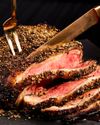
Roasts with the Most
From tender, rosy beef to golden, crispy duck, these meaty holiday mains are made to impress.
8 mins
December 2025
Food & Wine
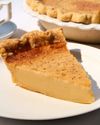
Buttermilk Eggnog Pie
This sweet custard pie is the star of Carla Hall’s holiday table.
5 mins
December 2025

Food & Wine
Galápagos Glories
Ecoventura brings world-class dining to one of the most beautiful—and remote—spots on the planet.
3 mins
December 2025
Listen
Translate
Change font size