
Mit Magzter GOLD unbegrenztes Potenzial nutzen
Erhalten Sie unbegrenzten Zugriff auf über 9.000 Zeitschriften, Zeitungen und Premium-Artikel für nur
Versuchen GOLD - Frei
Egypt's grape expectations
BBC History UK
|May 2025
To the ancient Egyptians, wine played a pivotal part in mythology, ritual and the natural processes that enabled their survival. Islam Issa explores six key roles it fulfilled in their society over the millennia
-
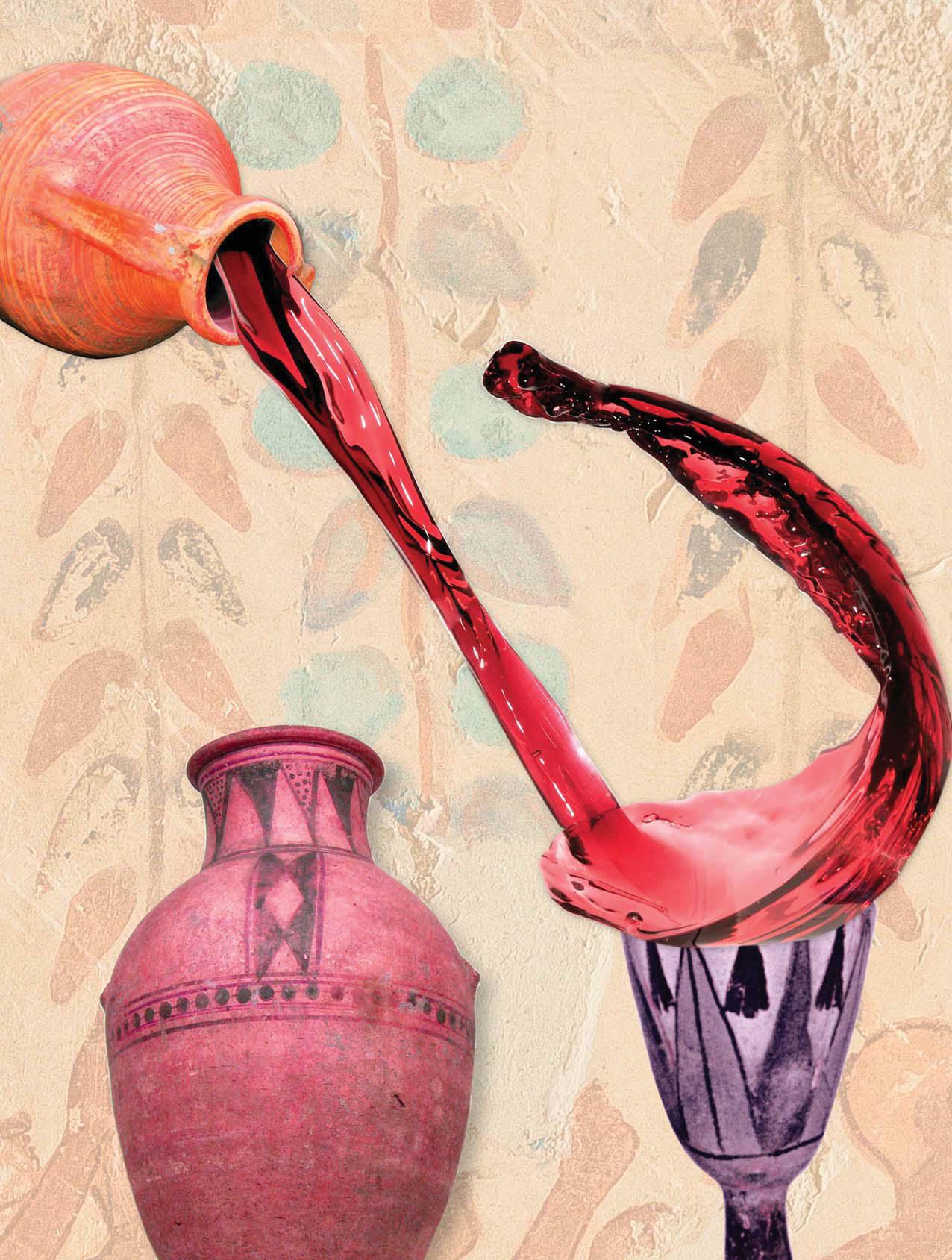
Fermenting change
Today we associate it with relaxation and refinement, ritual and religion, even industry and investment. And the varied uses of wine are nothing new. After grapes arrived in Egypt, over 5,000 years ago, wine made major, lasting – and often surprising – impacts on its society and culture.
The earliest vineyard remains in Egypt date from the fourth millennium BC. The oldest wine jar yet discovered was made c3000 BC – and jars continue to be found.
Following the introduction of grape cultivation from the Levant sometime before 3000 BC, grapes became the main ingredient fermented to make irep (wine), which was typically red. For lengthy periods, wine made from the fruit (dates) or sap of palm trees was more affordable, and other fruits such as figs and pomegranates were also fermented with sugar to make wine.
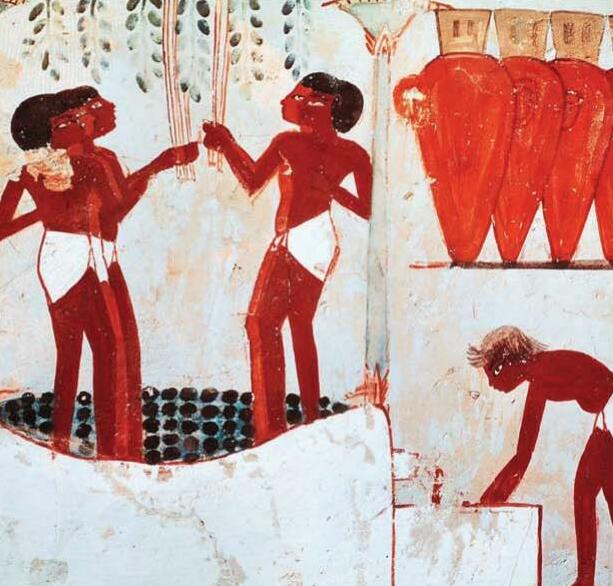 Wine was both a staple and a valuable commodity to be bought and sold. Vineyards were largely owned by nobles who could also enjoy wine on an everyday basis, while ordinary people typically drank it only during festivals, or might receive it as a work bonus.
Scenes of the grape harvest appear in several tombs, the earliest from the Old Kingdom in the third millennium BC. Some tomb depictions show the whole winemaking process from harvesting, treading and pressing to fermentation. In these illustrations, wine is most often presented in a small round cup.


Diese Geschichte stammt aus der May 2025-Ausgabe von BBC History UK.
Abonnieren Sie Magzter GOLD, um auf Tausende kuratierter Premium-Geschichten und über 9.000 Zeitschriften und Zeitungen zuzugreifen.
Sie sind bereits Abonnent? Anmelden
WEITERE GESCHICHTEN VON BBC History UK
BBC History UK
On the skids
Richard Rodgers and Oscar Hammerstein II's smash musical Oklahoma! opened on Broadway on 31 March 1943.

1 min
Christmas 2025

BBC History UK
Small pleasures
Memory is imperfect, but what if you could get a professional model maker to recreate a moment from the past?
1 min
Christmas 2025

BBC History UK
Bath in five places
In the Georgian era, Bath became arguably Britain's most fashionable destination. KIRSTEN ELLIOTT promenades five historic highlights
3 mins
Christmas 2025
BBC History UK
End times
Why do civilisations that dominated their epoch fail? In an era of autocracy, climate change, the rise of Al and a first-hand understanding of how deadly pandemics can be, it's a question that seems pertinent.
1 min
Christmas 2025

BBC History UK
What are the origins of the Yule Lads?
To learn about the Jólasveinar (Yule Lads), we must start with their mother, the terrifying ogress Grýla. Her name appeared in Icelandic texts as early as the 13th century, although it wasn’t until later that those 13 mischievous lads became associated with her. Folk tales and poems tell how she descends from the mountains with an empty sack to stuff full of children. Grýla owns the monstrous Jólaköttur (Yule Cat), which roams the countryside on Christmas Eve, searching for children to gobble up if they're not wearing new clothes.
1 mins
Christmas 2025

BBC History UK
Santa Claus v Father Christmas
The true identity of the white-bearded, red-robed figure who fills children's stockings at Christmas has long been debated. Thomas Ruys Smith sizes up the merry contenders
8 mins
Christmas 2025

BBC History UK
Frontier friction
Set in Washington Territory in 1854, The Abandons is a Western that's unusual for having two matriarchs, women whose lives become entangled, at its centre.
1 min
Christmas 2025

BBC History UK
The Last Days of Pompeii: The Immersive Experience
Delve into the culture of daily Roman life, witness the momentous eruption of Mount Vesuvius, and follow its fallout in Immerse LDN's new exhibition. In a blend of cutting-edge technology and vivid storytelling, this exhibition launches visitors into Pompeii's rich history with recreations of the ancient city's beautiful pre-eruption landscape, a 360-degree virtual reality Roman amphitheatre experience, and a digital metaverse recreating Pompeii's 'Villa of Mysteries'.
1 min
Christmas 2025

BBC History UK
Elizabeth Marsh The corsair's captive
Taken hostage by a Barbary ship's captain in the 18th century, a young Englishwoman found herself fighting for her freedom in Marrakech. ADAM NICHOLS introduces a brave captive who later wrote a book about her dramatic experiences
6 mins
Christmas 2025

BBC History UK
29 DECEMBER 1170: Thomas Becket is murdered in Canterbury
Knights loyal to Henry II rid him of the “low-born cleric”
2 mins
Christmas 2025
Listen
Translate
Change font size