Versuchen GOLD - Frei
ITALY'S GARDEN OF MONSTERS
Archaeology
|July/August 2025
Why did a Renaissance duke fill his wooded park with gargantuan stone
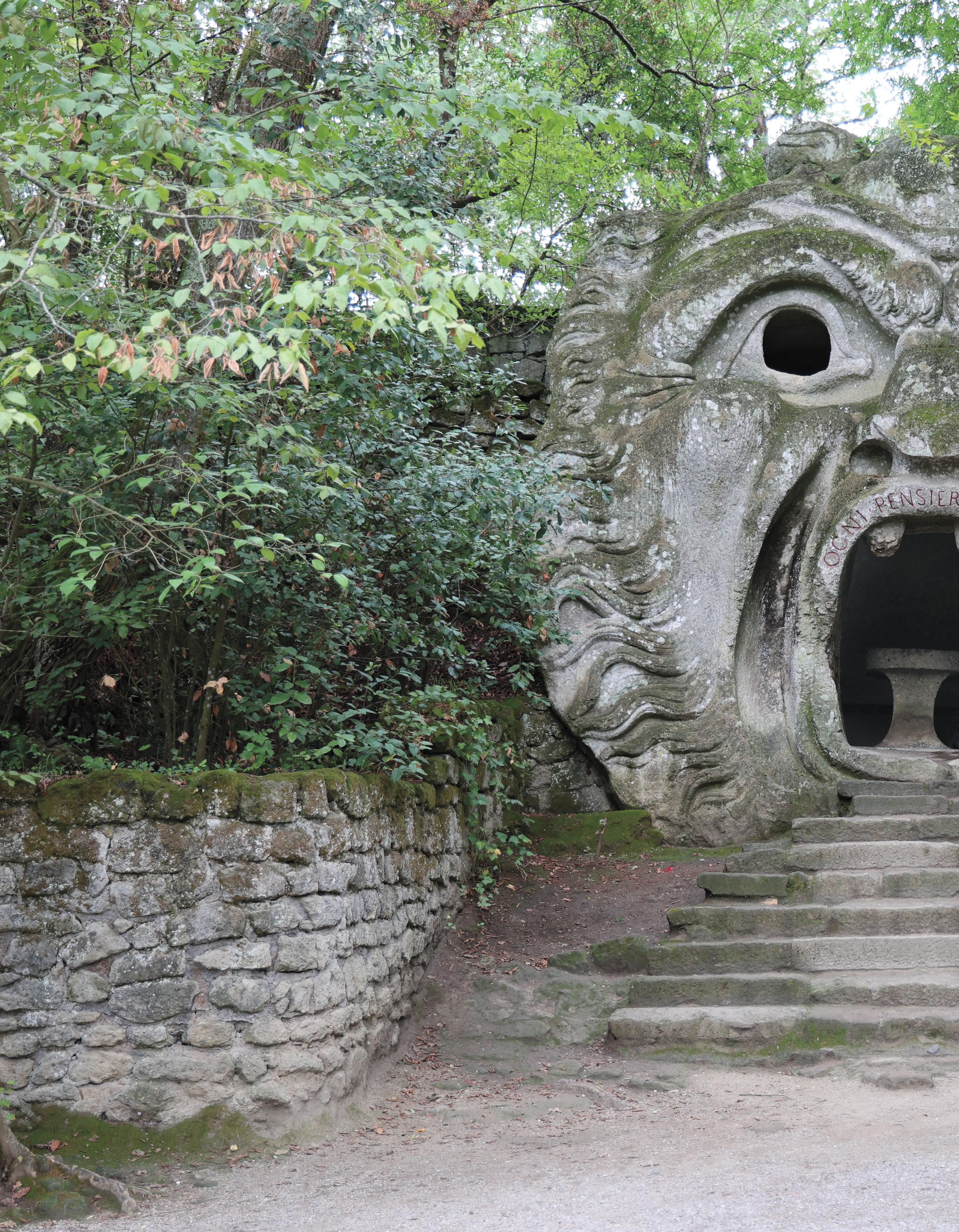
A sculpture known as the Hell Mouth is one of several dozen fantastical creations dating to the sixteenth century that line the paths of a park called the Sacro Bosco, or Sacred Wood, near the central Italian town of Bomarzo. The Hell Mouth was designed to serve as an alfresco dining room, with its tongue forming the table. AN ENORMOUS BUG-EYED dragon fends off an attack by a pair of lions. The toothy maw of a killer whale erupts from the earth across the way from an immense lumbering tortoise that carries a female figure, perhaps the goddess Fame, on its back. A huge siren with two tails sits opposite an equally large winged harpy with a serpent's tail and a lion's claws. These fantastical sculptures are among dozens of such creations lining the paths that wind through a forested ravine below Bomarzo, a medieval town in the Lazio region of Italy. Known as the Sacro Bosco, or the Sacred Wood, this is among the most unusual designed landscapes of the Italian Renaissance. “Upon first visiting the Sacro Bosco, I was completely overwhelmed by the scale of the statuary and how interestingly it was woven into the landscape,” says John Garton, an art historian at Clark University. “You would literally come out of vegetation and suddenly there would be this more than two-story-tall monument carved out of native stone. I've since realized it's meant to be jarring. It's intended to be this site of spectacular revelations where monsters come to life and things that have only been known through literature and books jump out at you.”

Diese Geschichte stammt aus der July/August 2025-Ausgabe von Archaeology.
Abonnieren Sie Magzter GOLD, um auf Tausende kuratierter Premium-Geschichten und über 9.000 Zeitschriften und Zeitungen zuzugreifen.
Sie sind bereits Abonnent? Anmelden
WEITERE GESCHICHTEN VON Archaeology
Archaeology
THE EGYPTIAN SEQUENCE
Until now, the earliest Egyptians to have even part of their DNA sequenced were three people who lived between 787 and 544 B.C.

1 mins
November/December 2025
Archaeology
SOURCE MATERIAL
As early as 40,000 years ago, some hunter-gatherers in southern Africa ventured long distances to procure special types of stone to make their tools.
1 min
November/December 2025

Archaeology
Secrets of the Seven Wonders
How archaeologists are rediscovering the ancient world's most marvelous monuments
13 mins
November/December 2025
Archaeology
ACTS OF FAITH
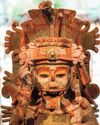
Evidence emerges of the day in 1562 when an infamous Spanish cleric tried to destroy Maya religion
12 mins
November/December 2025

Archaeology
OASIS MAKERS OF ARABIA
Researchers are just beginning to understand how people thrived in the desert of Oman some 5,000 years ago
8 mins
November/December 2025
Archaeology
FOSSIL FORCE
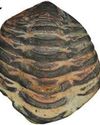
One of the planet's most successful arthropods, trilobites, abounded in the oceans from about 520 million to 250 million years ago.
1 min
November/December 2025
Archaeology
BIGHORN MEDICINE WHEEL, WYOMING
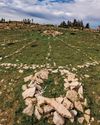
Perched almost 9,700 feet above sea level on Medicine Mountain in Wyoming's Bighorn Range, the Medicine Wheel is an 80-foot-diameter circular structure made from limestone boulders.
2 mins
November/December 2025
Archaeology
ANCIENT LOOK BOOK
A young woman buried in China's Tarim Basin some 2,000 years ago went to the afterlife accompanied by the height of fashion.
1 mins
November/December 2025
Archaeology
A FAMILIAR FACE
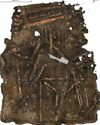
In the early eleventh century, a landslide on the island of Ostrów Lednicki in western Poland caused a hillfort to collapse and slip to the bottom of Lake Lednica.
1 min
November/December 2025
Archaeology
Temples to Tradition
A looted cache of bronzes compels archaeologists to explore Celtic sanctuaries across Burgundy
13 mins
November/December 2025
Listen
Translate
Change font size