Versuchen GOLD - Frei
DEFENDING THE CANYONLANDS
Archaeology
|July/August 2023
Rare shields from the American Southwest are a legacy of a turbulent time in Native history

AMONG THE ESTIMATED 500,000 archaeological and ethnographic objects in the collections of the American Museum of Natural History (AMNH), some 800 artifacts, including pots and stone tools, are from a site known as White House. This small village is tucked into a cliff alcove in northeastern Arizona's Canyon del Muerto and was inhabited by a farming community from approximately 1150 to 1300. In 2009, University of Arizona archaeologist Edward Jolie was in the museum's extensive Southwest collections looking through drawers holding objects excavated in the early twentieth century from White House when he came across something remarkable.
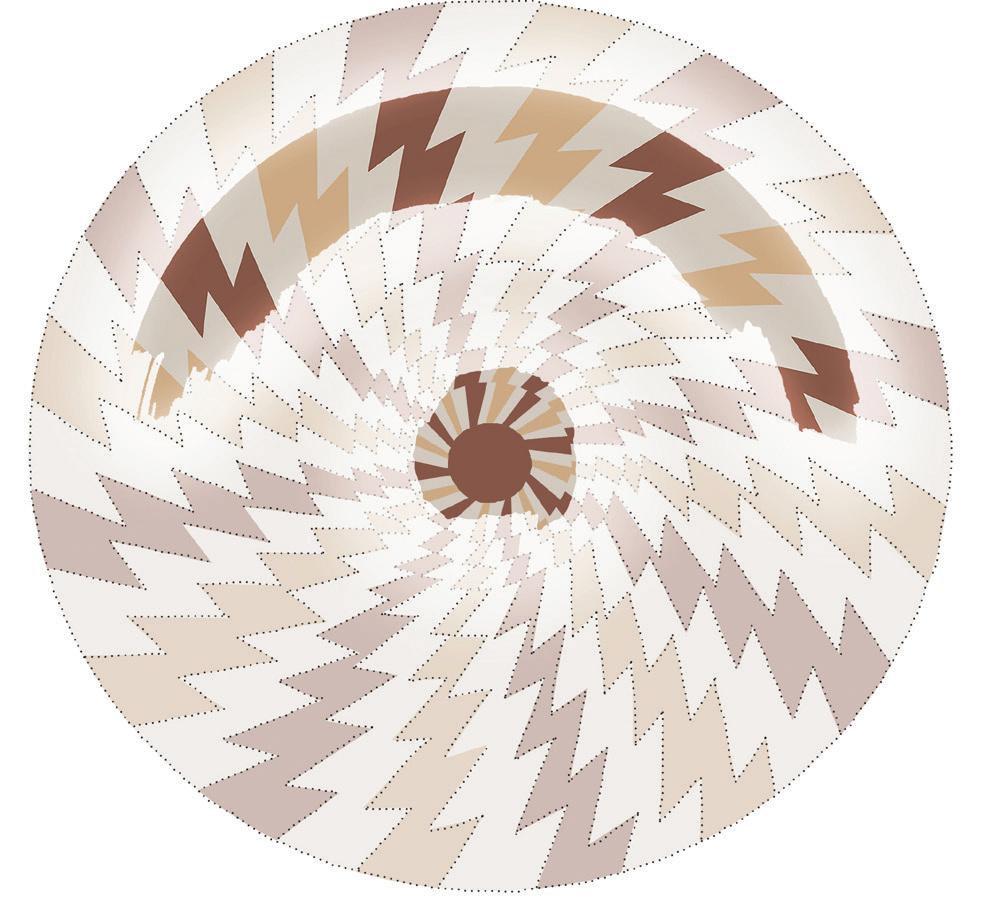
Jolie, who studies perishable artifacts, had come to the museum to examine textiles and basketry from New Mexico's Chaco Canyon, where a large cluster of settlements at the center of an important cultural network reached its zenith around 1100. While at the museum, he thought he would take advantage of the opportunity to survey perishable objects from other Southwestern sites which is how he found himself holding a two-foot-wide shield fashioned from sumac fiber basketry coils that had been discovered in 1925 and then sat unnoticed in the museum's collections for almost a century. "Basketry shields are incredibly rare in the archaeological record," says Jolie. "To that point, there were only three known from the entire Southwest." Based on his experience studying the previously identified examples, Jolie was confident the artifact from White House was a basketry shield.

Diese Geschichte stammt aus der July/August 2023-Ausgabe von Archaeology.
Abonnieren Sie Magzter GOLD, um auf Tausende kuratierter Premium-Geschichten und über 9.000 Zeitschriften und Zeitungen zuzugreifen.
Sie sind bereits Abonnent? Anmelden
WEITERE GESCHICHTEN VON Archaeology
Archaeology
THE EGYPTIAN SEQUENCE
Until now, the earliest Egyptians to have even part of their DNA sequenced were three people who lived between 787 and 544 B.C.

1 mins
November/December 2025
Archaeology
SOURCE MATERIAL
As early as 40,000 years ago, some hunter-gatherers in southern Africa ventured long distances to procure special types of stone to make their tools.
1 min
November/December 2025

Archaeology
Secrets of the Seven Wonders
How archaeologists are rediscovering the ancient world's most marvelous monuments
13 mins
November/December 2025
Archaeology
ACTS OF FAITH
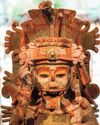
Evidence emerges of the day in 1562 when an infamous Spanish cleric tried to destroy Maya religion
12 mins
November/December 2025
Archaeology
OASIS MAKERS OF ARABIA
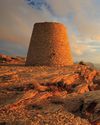
Researchers are just beginning to understand how people thrived in the desert of Oman some 5,000 years ago
8 mins
November/December 2025
Archaeology
FOSSIL FORCE
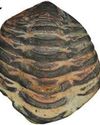
One of the planet's most successful arthropods, trilobites, abounded in the oceans from about 520 million to 250 million years ago.
1 min
November/December 2025
Archaeology
BIGHORN MEDICINE WHEEL, WYOMING
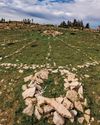
Perched almost 9,700 feet above sea level on Medicine Mountain in Wyoming's Bighorn Range, the Medicine Wheel is an 80-foot-diameter circular structure made from limestone boulders.
2 mins
November/December 2025
Archaeology
ANCIENT LOOK BOOK
A young woman buried in China's Tarim Basin some 2,000 years ago went to the afterlife accompanied by the height of fashion.
1 mins
November/December 2025
Archaeology
A FAMILIAR FACE
In the early eleventh century, a landslide on the island of Ostrów Lednicki in western Poland caused a hillfort to collapse and slip to the bottom of Lake Lednica.
1 min
November/December 2025
Archaeology
Temples to Tradition
A looted cache of bronzes compels archaeologists to explore Celtic sanctuaries across Burgundy
13 mins
November/December 2025
Translate
Change font size