
Mit Magzter GOLD unbegrenztes Potenzial nutzen
Erhalten Sie unbegrenzten Zugriff auf über 9.000 Zeitschriften, Zeitungen und Premium-Artikel für nur
Versuchen GOLD - Frei
A PASSION FOR FRUIT
Archaeology
|May/June 2025
Exploring the surprisingly rich archaeological record of berries, melons...and more
-
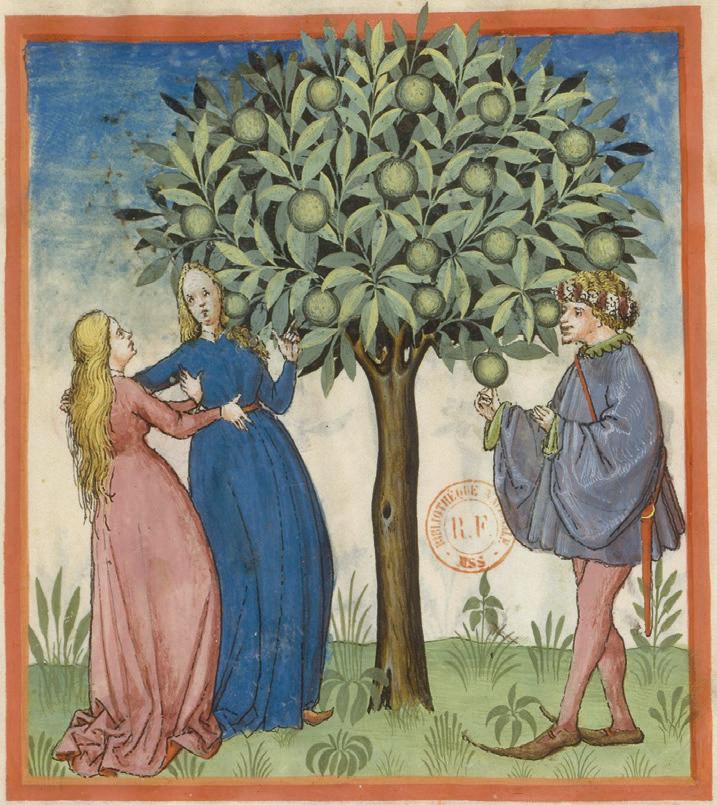
BY 7,000 YEARS AGO, people in New Guinea were cultivating bananas. Around the same time, figs in the Near East and avocados in Mesoamerica were well on their way to becoming the fruits we savor today. People across the world consume an astonishing variety of fruits. These range from the smallest edible example—a neon green sphere produced by the Asian watermeal plant that measures less than the width of a pencil tip—to the largest, the 100-pound yellowish-green jackfruit. “The fruit we eat now is a result of people experimenting extensively for thousands of years,” says archaeobotanist Erica Rowan of Royal Holloway.
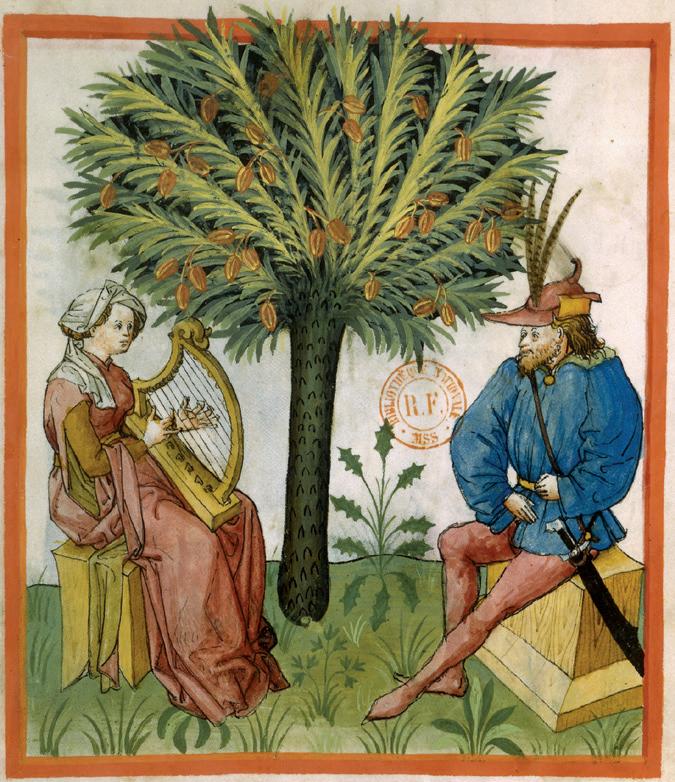 For archaeologists, evidence of ancient fruit opens unexpected pathways to understanding the past. “The seeds or pits of fruit are quite hardy and survive well in the archaeological record,” says Rowan. Studying fruit can give scholars glimpses of the ingenuity of ancient peoples—for example, some used figs preserved in honey as a source of precious calories during harsh winters. People of all eras, it seems, have coveted fruit as a welcome departure from ordinary fare. “Fruit was used as a source of sugar, nutrients, flavor, and lots of different textures,” says Rowan. “Fruit was everywhere, all the time. It has always been very important to people.”
 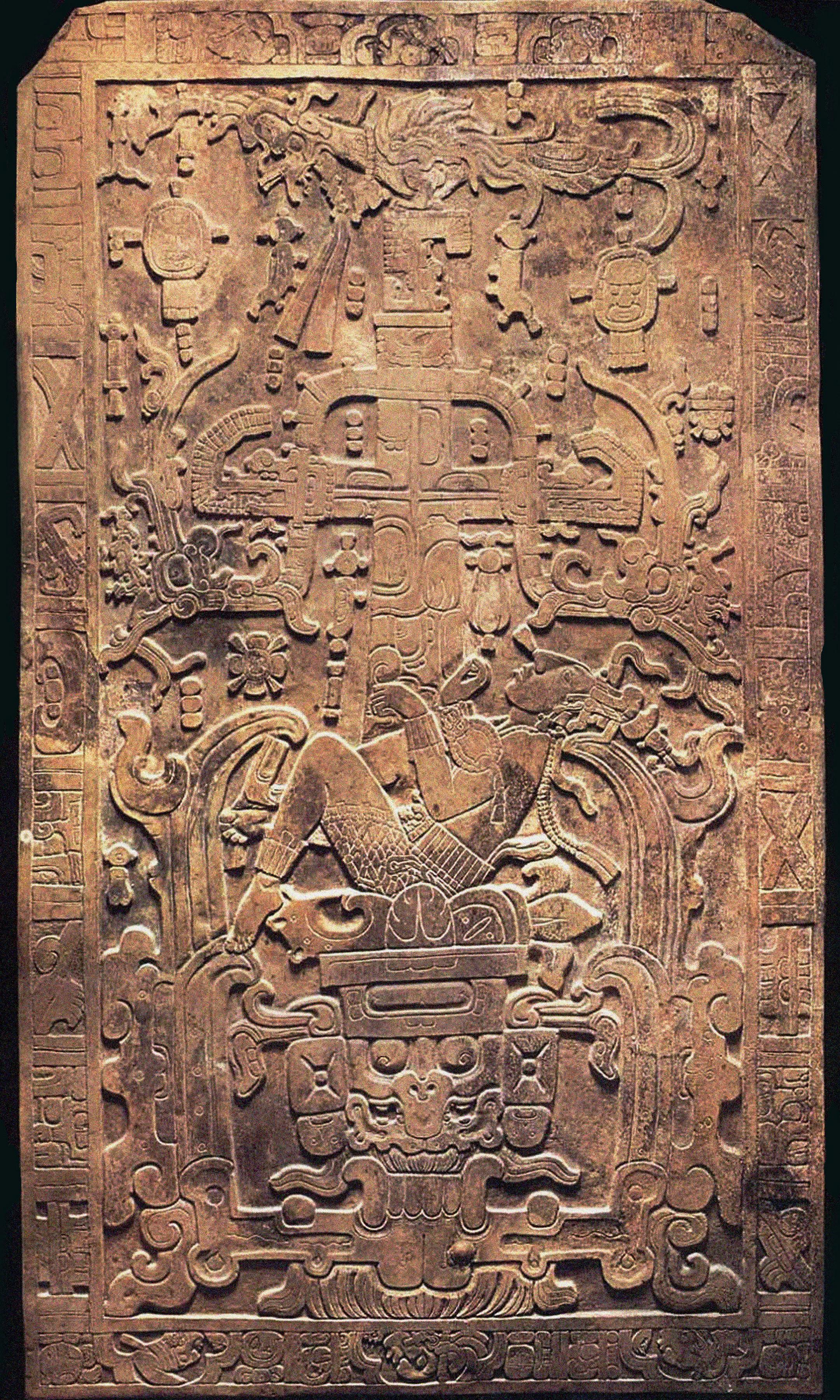 ROYAL FRUIT
 Palenque, Mexico and Pusilha, Belize

Diese Geschichte stammt aus der May/June 2025-Ausgabe von Archaeology.
Abonnieren Sie Magzter GOLD, um auf Tausende kuratierter Premium-Geschichten und über 9.000 Zeitschriften und Zeitungen zuzugreifen.
Sie sind bereits Abonnent? Anmelden
WEITERE GESCHICHTEN VON Archaeology
Archaeology
THE EGYPTIAN SEQUENCE
Until now, the earliest Egyptians to have even part of their DNA sequenced were three people who lived between 787 and 544 B.C.

1 mins
November/December 2025
Archaeology
SOURCE MATERIAL
As early as 40,000 years ago, some hunter-gatherers in southern Africa ventured long distances to procure special types of stone to make their tools.
1 min
November/December 2025

Archaeology
Secrets of the Seven Wonders
How archaeologists are rediscovering the ancient world's most marvelous monuments
13 mins
November/December 2025
Archaeology
ACTS OF FAITH
Evidence emerges of the day in 1562 when an infamous Spanish cleric tried to destroy Maya religion
12 mins
November/December 2025
Archaeology
OASIS MAKERS OF ARABIA
Researchers are just beginning to understand how people thrived in the desert of Oman some 5,000 years ago
8 mins
November/December 2025
Archaeology
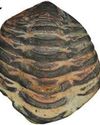
FOSSIL FORCE
One of the planet's most successful arthropods, trilobites, abounded in the oceans from about 520 million to 250 million years ago.
1 min
November/December 2025
Archaeology
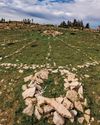
BIGHORN MEDICINE WHEEL, WYOMING
Perched almost 9,700 feet above sea level on Medicine Mountain in Wyoming's Bighorn Range, the Medicine Wheel is an 80-foot-diameter circular structure made from limestone boulders.
2 mins
November/December 2025
Archaeology
ANCIENT LOOK BOOK
A young woman buried in China's Tarim Basin some 2,000 years ago went to the afterlife accompanied by the height of fashion.
1 mins
November/December 2025
Archaeology
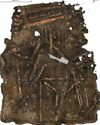
A FAMILIAR FACE
In the early eleventh century, a landslide on the island of Ostrów Lednicki in western Poland caused a hillfort to collapse and slip to the bottom of Lake Lednica.
1 min
November/December 2025
Archaeology
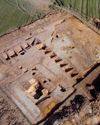
Temples to Tradition
A looted cache of bronzes compels archaeologists to explore Celtic sanctuaries across Burgundy
13 mins
November/December 2025
Listen
Translate
Change font size