
Mit Magzter GOLD unbegrenztes Potenzial nutzen
Erhalten Sie unbegrenzten Zugriff auf über 9.000 Zeitschriften, Zeitungen und Premium-Artikel für nur
Truth in Disguise
Writer’s Digest
|January / February 2026
Strategies for concealing identities in nonfiction.
ONNONFICTION
The art and craft of writing nonfiction.
We write in an era of cancel culture and libel lawsuits. Merely changing the names of real people is no longer sufficient to protect them or ourselves. When I wrote my nonfiction book, You Don't Need to Forgive: Trauma Recovery on Your Own Terms, I had to disguise the identities of 30 therapy clients and family members. The stakes were high: One mistake could have ended my career as a psychotherapist and damaged my family relationships. Still, I refused to sacrifice the authenticity of my story. Instead, I used intentional and strategic methods of concealment. You can use similar tactics to protect others and yourself while preserving the truth.
WHY DISGUISE?
First, you must clarify why you're concealing identities in your story. Your reasons will determine the disguising methods you choose. A writer trying to avoid a lawsuit may take a different approach than one who promised a person anonymity.
Here are some common reasons nonfiction writers utilize concealment:
PROTECTING YOURSELF: Writers deserve to feel safe when sharing their work. Establishing and maintaining your safety is a top priority, as you're less likely to write and publish when you feel physically, emotionally, or financially unsafe. Concealing identities can protect you from those who may cause you harm. A person might sue you for libel, claiming your words were false and damaged their reputation. Even without a lawsuit, revealing someone's identity could result in the loss of a job, a relationship, or finances. There is no shame in taking steps to protect yourself and to promote your feelings of safety.
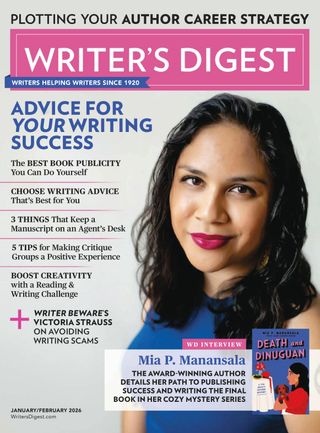

Diese Geschichte stammt aus der January / February 2026-Ausgabe von Writer’s Digest.
Abonnieren Sie Magzter GOLD, um auf Tausende kuratierter Premium-Geschichten und über 9.000 Zeitschriften und Zeitungen zuzugreifen.
Sie sind bereits Abonnent? Anmelden
WEITERE GESCHICHTEN VON Writer’s Digest
Writer’s Digest
100 Best Markets for Writers
A list of print and online publications looking for freelancers to contribute their knowledge on everything from pet care to finance and beyond.

65 mins
Yearbook 2026

Writer’s Digest
Memoir Plus
Add a bonus to your personal narrative for a marketing boost.
8 mins
Yearbook 2026
Writer’s Digest
Surefire Ways to Sell Your Children's Book
In my 28 years editing children's books, I've learned that publishing exists at the intersection of art and commerce.
5 mins
Yearbook 2026
Writer’s Digest
The ABCs of Freelance Success
Many freelance writers, especially those at the beginning of their careers, tend to place almost all of their professional focus on one specific component: craft.
5 mins
Yearbook 2026
Writer’s Digest
How to Write in Different Genres
Emiko Jean and Yulin Kuang share tips and strategies for how they successfully write in different genres and mediums.
8 mins
Yearbook 2026
Writer’s Digest
Small But Mighty
Why small presses might be the perfect home for your book.
8 mins
Yearbook 2026

Writer’s Digest
The Story Behind the Story
What's backstory, and what's it doing here anyway?
6 mins
Yearbook 2026

Writer’s Digest
2025 Year in Review
Publishing expert Jane Friedman recaps the biggest news in the industry.
8 mins
Yearbook 2026

Writer’s Digest
What Is Your Story Question?
When a story isn't working—when you know it's not quite coming together, when beta readers and critique partners confirm your fears but can't put a finger on why, or you're not getting offers from agents or publishers—savvy authors start trying to diagnose the issue by examining its component parts, like characterization, plot, and stakes.
6 mins
Yearbook 2026
Writer’s Digest
Writer's Digest 27th Annual 101 Best Websites for Writers
For the 27th year, Writer's Digest is shining a light on 101 websites with a goal of helping writers in a variety of ways.
26 mins
Yearbook 2026
Listen
Translate
Change font size