Versuchen GOLD - Frei
DOCUMENTATION OF A DEATH
Outlook Money
|April 2025
In an increasingly digitalised world, the personal IDs and documents of a deceased person face the risk of fraud. We tell you the documents you need to keep an eye on and when to cancel or surrender them
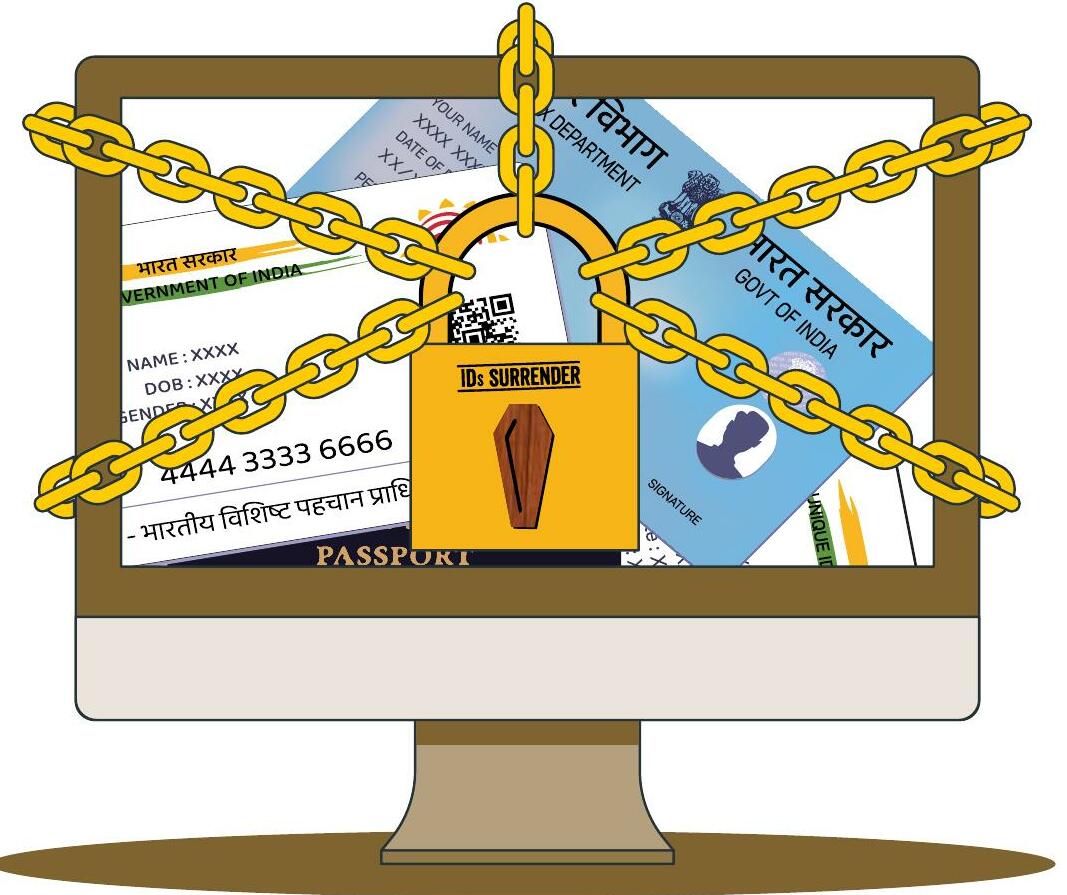
The loss of a family member is a heavy burden to bear, more so when it happens unexpectedly. While dealing with paperwork may be the last thing on your mind when you are already under emotional stress, it is a necessity these days to avoid risks of identity theft and cyber fraud.
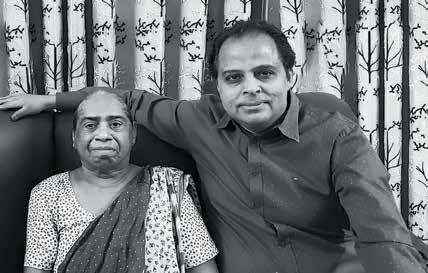
When Bhopal-based Sunil Chawla's father passed away suddenly in 2013, he was mentally unprepared; however, he had the presence of mind to complete the basic paperwork. After receiving the last rites receipt from the crematorium, he presented it to the local authority and obtained his father’s death certificate, which he knew was required for settling insurance claims and closing his accounts. Sunil, who is in his late 50s, also ensured that his chartered accountant cancelled the Permanent Account Number (PAN) of his father after filing the income tax returns (ITR).
In India, when someone dies, the death must be registered with the concerned state or Union Territory in accordance with the rules under the Registrar of Births & Deaths Act, 1969. The registration can be done for free within 21 days of the death.
If the death occurs at home, a family member must report it to the local registrar within 21 days to obtain the death certificate. In case of a delay, the process becomes longer, as permission from the area magistrate or registrar is required, along with a payment of late fee. Generally, deaths are reported within this time frame, and family members receive the death certificate.
 If a person dies in a hospital, the doctor in-charge registers the death. If the death occurs in jail, the jail in-charge is responsible for registering it. For someone found dead in a deserted area, it must be registered by the local police station or the village head of that place.

Diese Geschichte stammt aus der April 2025-Ausgabe von Outlook Money.
Abonnieren Sie Magzter GOLD, um auf Tausende kuratierter Premium-Geschichten und über 9.000 Zeitschriften und Zeitungen zuzugreifen.
Sie sind bereits Abonnent? Anmelden
WEITERE GESCHICHTEN VON Outlook Money

Outlook Money
Full-Service Vs Discount Brokerages Get Your Partner Right
The broking industry is now in a price-war phase, but cost is no longer the key differentiator. The choice will depend on how you plan to use a broking platform

4 mins
June 2026
Outlook Money
INDIA'S BEST FUNDS
Should You Continue Your SIPS, Diversify Into Global Stocks?
5 mins
June 2026

Outlook Money
One Strategy, Every Opportunity : The Fund That goes Wherever the Returns are
A strategy that gives fund full freedom to invest accross market cap so investor doesn't need to predict where the next opportunities lies
2 mins
June 2026

Outlook Money
Read The Economy Before You Build Your Portfolio
Tariffs, debt and shaky growth are back, so knowing the cycle tells you what wins
2 mins
June 2026

Outlook Money
SIFs Demand A Different Mindset From Investors
SIFs are the new kid on the block. Kundan Kishore, deputy editor, Outlook Money spoke to Kailash Kulkarni, CEO, HSBC Mutual fund, to understand the nuances of these emerging investment strategies. Here are the edited excerpts from the interaction
3 mins
June 2026

Outlook Money
7 Mistakes That Set You Back In The Crorepati Race
The difference between those who earn well and those who become wealthy is not necessarily intelligence, access, or even opportunity, it is behavioural errors and incorrect choices. Fixing those can be a sure shot way to achieve the crorepati goal
8 mins
June 2026

Outlook Money
NPS Introduces New Payout Schemes. How Does It Work And Should You Go For it?
PFRDA has proposed a Retirement Income Scheme, RIS Steady, under NPS. The scheme allows regular payouts through two withdrawal options. We explain how it works and what you can expect
5 mins
June 2026

Outlook Money
What SIFs Change For Anyone Investing Beyond the Top 100
SIFs are a new product class, and this one goes long on winners, short on losers
2 mins
June 2026

Outlook Money
The Rising Cost of Fun
The need to indulge in fun activities is real for some individuals. The key is to balance out these wants-turned-needs by budgeting smartly and becoming a conscious spender
7 mins
June 2026

Outlook Money
Where the Big Money Goes When Mutual Funds Aren't Enough
PMS, AIFs open doors beyond regular funds for investors who understand the trade-offs
2 mins
June 2026
Listen
Translate
Change font size