Versuchen GOLD - Frei
An Unequal Board
Forbes India
|September 05, 2025
Divya Deshmukh recently became the fourth woman Grandmaster in a country that has 89. What stops women from breaking through in chess?
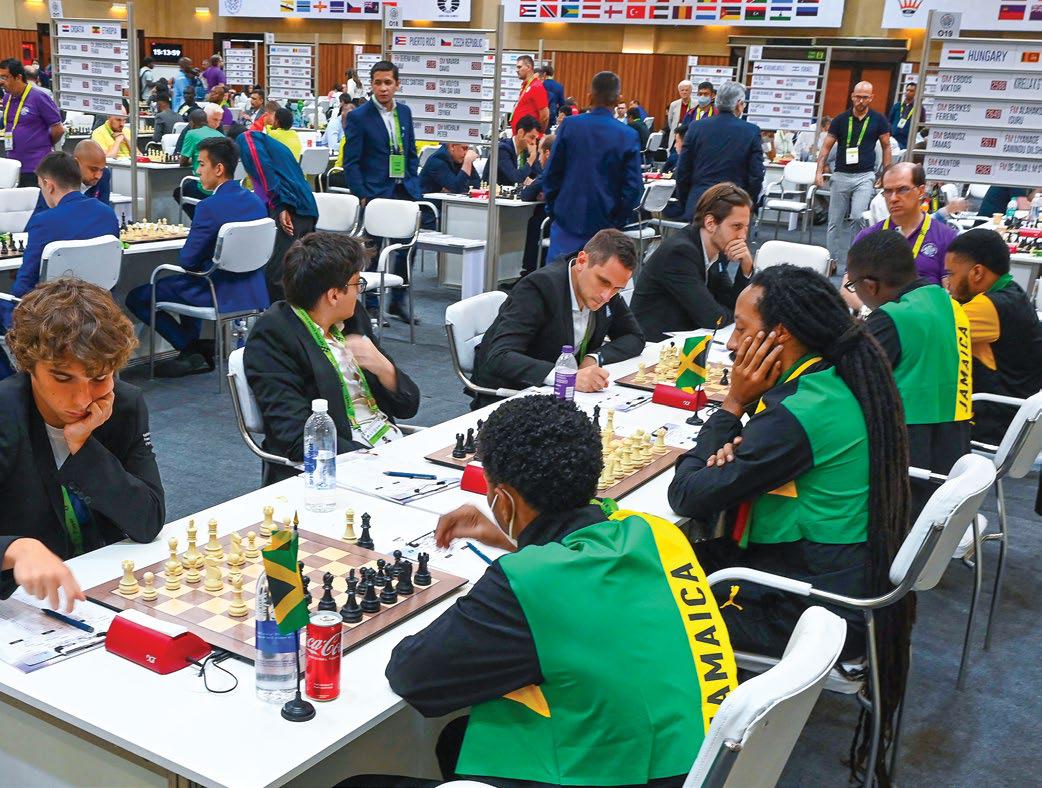
In 2002, when Koneru Humpy earned the title of a Grandmaster (GM), the then-15-year-old was believed to have unlocked the Judit Polgar moment in Indian chess.
Polgar, the Hungarian prodigy, had shattered the proverbial glass ceiling by breaking into the world's top 10 in the open section, a feat that no woman has matched yet. Many had hoped that Humpy's feat—of becoming India's maiden woman GM after six male predecessors—would spark a wave of women storming the game's elite ranks.
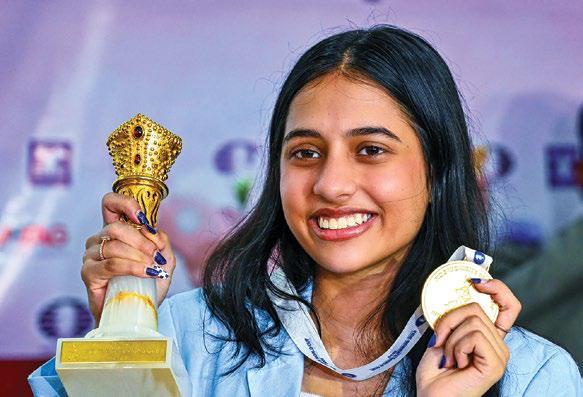 But a little over two decades on, the gender gap in chess remains yawning: Out of India's 89 GMs, the highest rank a chess player can achieve, only four are women.
The latest among them is 19-year-old Divya Deshmukh, who just weeks ago became the youngest winner of the Women's World Cup, defeating none other than Humpy, who started it all. Her GM title places the Nagpur teen not just among a rarefied cohort in India, but globally as well: She is only one of the 44 women to have earned the GM title awarded by FIDE, which means just about 2 percent of the world’s 1,866 GMs are women.
The gulf is visible even among those who've made it. Yifan Hou, the world’s top-ranked woman chess player, doesn’t even crack the top 100 in the open list, and has an over-200 ratings points deficit with Magnus Carlsen, the five-time World Champion and World No 1; while, Deshmukh, despite being the World No 1 among girls, sits at No 70 in the junior open section.


Diese Geschichte stammt aus der September 05, 2025-Ausgabe von Forbes India.
Abonnieren Sie Magzter GOLD, um auf Tausende kuratierter Premium-Geschichten und über 9.000 Zeitschriften und Zeitungen zuzugreifen.
Sie sind bereits Abonnent? Anmelden
Listen
Translate
Change font size