
Mit Magzter GOLD unbegrenztes Potenzial nutzen
Erhalten Sie unbegrenzten Zugriff auf über 9.000 Zeitschriften, Zeitungen und Premium-Artikel für nur
Develop a smallholding health plan
The Country Smallholder
|June 2025
Catriona Benson BVM&S, MRCVS highlights what you can do to protect from disease
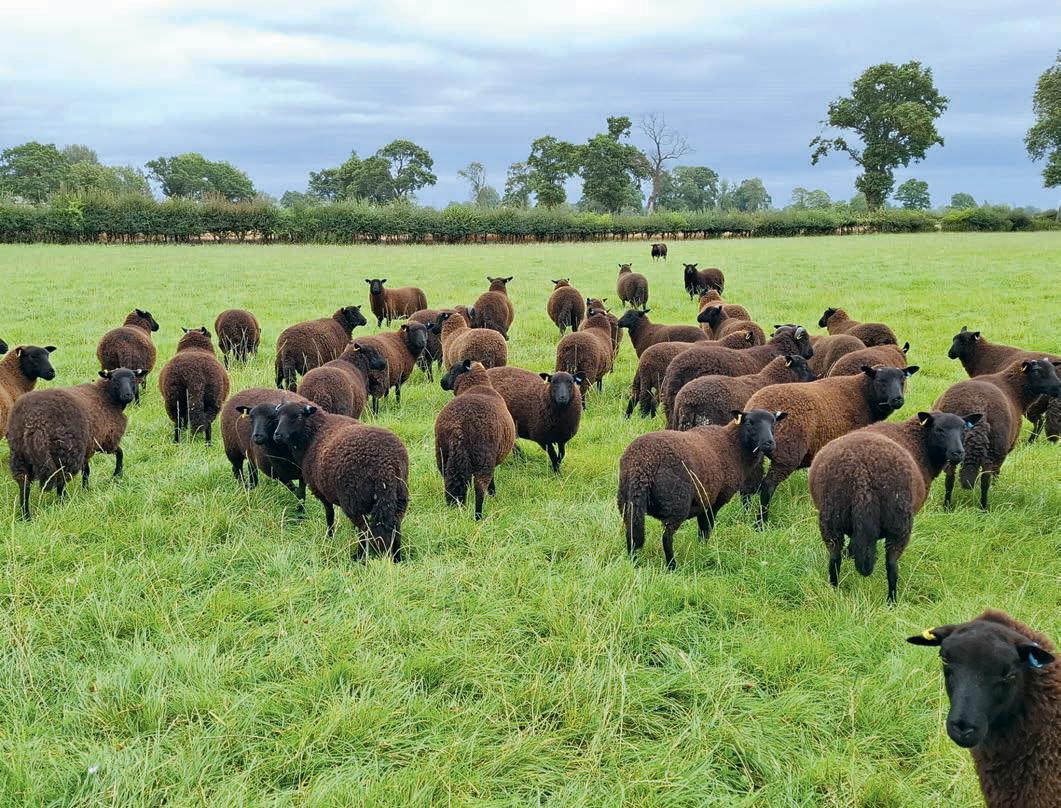
In our previous articles in this series, we have focused on preventing new infections arriving from outside our smallholding. However, some pathogens (agents which cause disease) will already be present on your smallholding:
Some harmful bacteria are found naturally in soil - your livestock are almost certainly going to be at risk of exposure to these.
- Some diseases may already be endemic (circulating) on your holding - perhaps you know that you have some cases of Johne’s disease in your cattle - therefore the rest of your cattle, sheep and goats are at risk of contracting this infection.
- Some microorganisms are found in low numbers in healthy animals, but given the right circumstances, can flare up and cause disease. For example, older animals carry coccidia without ill effect, but in dirty or crowded conditions, this parasite builds up and causes significant illness in young animals.
As it is not always possible to eliminate these pathogens from your smallholding, it is important to take measures to reduce the occurrence of disease within your livestock.
HYGIENE
When it comes to reducing the spread of any infectious disease, hygiene is key.
The less we expose our livestock to faeces, urine, or contamination from other animals, the less chance that disease will spread and multiply. A lot of this is common sense.
- Keep housing and bedding clean. Infections thrive in warm, wet, dirty bedding. Straw bedding should be topped up on a regular basis, to keep the surface in contact with your livestock as clean and dry as possible.
Between ‘batches’ of animals, housing should be thoroughly cleaned out. Many pathogens survive in traces of faeces within housing, and most require some level of moisture. Ensuring that we clean, disinfect AND dry housing will maximise our chances of removing residual infection.

Diese Geschichte stammt aus der June 2025-Ausgabe von The Country Smallholder.
Abonnieren Sie Magzter GOLD, um auf Tausende kuratierter Premium-Geschichten und über 9.000 Zeitschriften und Zeitungen zuzugreifen.
Sie sind bereits Abonnent? Anmelden
WEITERE GESCHICHTEN VON The Country Smallholder
The Country Smallholder
How hand tools shaped the countryside
Farming and smallholding practices have altered over the past century or so. Some have been subtle, others less so and many brought about by technology and legislation. In the penultimate of his series, Jeremy Hobson continues to outline just a few of them.

2 mins
January 2026
The Country Smallholder
The National Honey Show receives The King's Award for Voluntary Service
The National Honey Show, the world's largest honey show and beekeeping convention but run entirely by volunteers in Surrey, has been awarded The King's Award for Voluntary Service for 2025.
1 mins
January 2026
The Country Smallholder
New Year's Resolutions are never kept - don't make any
So says gardener Andrew Oldham and he tells us why he holds this unconventional view – see if you agree
5 mins
January 2026

The Country Smallholder
Want to Gather Your Own Firewood?
Why Owning a Woodland Might Be the Answer
2 mins
January 2026
The Country Smallholder
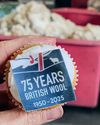
Finding out about what happens to fleeces when they leave the farm
Josephine Laing takes up the offer of a visit to a British Wood depot and finds there is much to be learnt for the flock owner
5 mins
January 2026

The Country Smallholder
Dealing with bullying behaviours in chickens
We love the idyllic idea of flocks of free ranging chickens, who live peacefully amongst each other and with us. What happens when this is not possible due to legal housing restrictions for poultry or practical reasons due to predators? Your chickens might start to bully each other. Fiona and Hugh Osborne look at the options to deal with bullying.
8 mins
January 2026
The Country Smallholder
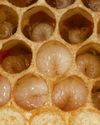
Healthy Bees are Happy Bees - looking after the youngsters in 2026
Claire Waring takes a look at diseases affecting honey bee brood
6 mins
January 2026
The Country Smallholder
The importance of power tools on the smallholding
Agricultural journalist and smallholder Jane Brooks joins us for her regular look at the world
4 mins
January 2026
The Country Smallholder
Making new year resolutions for your flock
Paul Donovan kicks off 2026 with a wish list that provides positive experiences for your poultry
8 mins
January 2026
The Country Smallholder
How to Protect Your Flock as Bird Flu Housing Order Kicks In
Clare Taylor looks at practical biosecurity that can be part of your routine care
2 mins
January 2026
Listen
Translate
Change font size