
Mit Magzter GOLD unbegrenztes Potenzial nutzen
Erhalten Sie unbegrenzten Zugriff auf über 9.000 Zeitschriften, Zeitungen und Premium-Artikel für nur
Versuchen GOLD - Frei
LET'S GO LARGE
BBC Wildlife
|October 2025
FEE-FI-FO-FUM! IT MAY not make a great deal of grammatical sense, but this phrase is certain to conjure up mental images of magic beans, rampant beanstalks and one very angry giant.
-
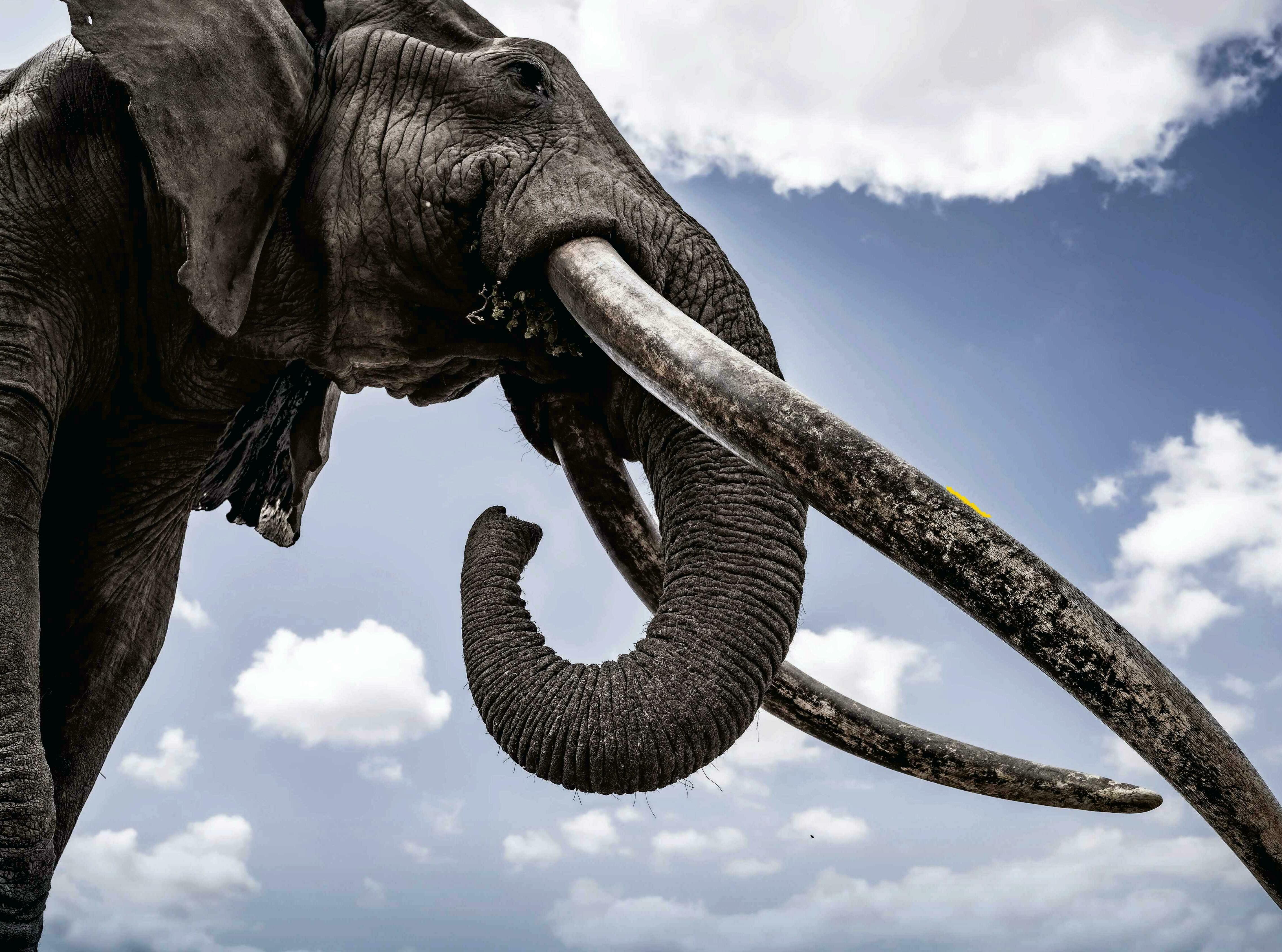
Colossal-sized humans and beasts are the stuff of our oldest legends, our favourite fairy tales and our scariest films. But as is often the case in the natural world, fact is stranger - and far more interesting - than fiction. While car-sized ants, a skyscraper-scaling ape, and a physics-defying mosasaur from a certain Hollywood dinosaur franchise may be scientific impossibilities, the physiology, anatomy and ecology of supersize wildlife are still fascinating, full of rules that nature ignores at its peril.
Before exploring why it is impossible for an elephant-sized cat - or even a cat-sized ant - to exist, it is worth looking at why a species might find itself on an evolutionary pathway to becoming huge. The main advantage of biological gigantism is likely to be reduced predation. If you find yourself among the ranks of the mega-sized, you're more likely to be able to defend yourself, or you'll simply be too large to consume.
A bigger body also means a bigger digestive system, enabling larger animals to exploit a different dietary niche, subsisting on lower-quality food simply by eating more of it. For instance, by developing multi-chambered stomachs and increasing the surface area of the gastrointestinal tract via the addition of specific internal structures - or even just increasing the overall length of the digestive tract - large dinosaurs could eat trees such as the infamously unpalatable monkey puzzle (Araucaria araucana). Giant African ungulates, meanwhile, including the ancient rhinoceros relative Paraceratherium, could make a fair meal from the tough bark and nutritionally poor leaves of the acacia.

Diese Geschichte stammt aus der October 2025-Ausgabe von BBC Wildlife.
Abonnieren Sie Magzter GOLD, um auf Tausende kuratierter Premium-Geschichten und über 9.000 Zeitschriften und Zeitungen zuzugreifen.
Sie sind bereits Abonnent? Anmelden
WEITERE GESCHICHTEN VON BBC Wildlife
BBC Wildlife
Animal welfare
FURTHER TO EM GENOVESE'S LETTER (Your Letters, Spring 2026), I would like to signpost the charity Wild Welfare to readers.

2 mins
May 2026
BBC Wildlife
"The hooves pounded up the trail behind us"
Moose in Colorado
3 mins
May 2026
BBC Wildlife
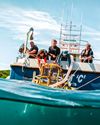
SEAGRASS SAVIOURS
Sometimes, saving the planet requires a bright idea, some practical know-how and a bit of tinkering
6 mins
May 2026
BBC Wildlife
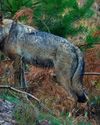
WALL TO WILD
After the fall of the Berlin Wall, reunified Germany became a new landscape not only for people, but for wildlife too 'M SITTING IN A FOREST IN Brandenburg, northeast Germany, looking over a large clearing.
7 mins
May 2026

BBC Wildlife
SNAP-CHAT
Samuel Bloch on wild horses, crazy capercaillies and sleeping on the job
2 mins
May 2026
BBC Wildlife
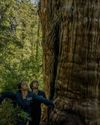
Old trees key to resilience
Study finds mature trees trump youthful ones
1 min
May 2026
BBC Wildlife
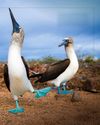
ONE STEP BEYOND
There's a lot more to these quirky seabirds than their eye-catching limbs
2 mins
May 2026
BBC Wildlife
RETURN OF A LEGEND
Once teetering on the very brink of extinction, the elusive Scottish wildcat is prowling the Highlands once more, thanks to a bit of help
7 mins
May 2026
BBC Wildlife
Urban scavengers help curb carbon
New study reveals the extent of emissions saved as city animals feast on food waste
2 mins
May 2026
BBC Wildlife
Merlin on the brink
The diminutive raptor is one of many species facing extinction in Britain, suggests new report
1 mins
May 2026
Listen
Translate
Change font size