
Mit Magzter GOLD unbegrenztes Potenzial nutzen
Erhalten Sie unbegrenzten Zugriff auf über 9.000 Zeitschriften, Zeitungen und Premium-Artikel für nur
Fight to wipe out alien species
BBC Wildlife
|September 2025
New Zealand public urged to help rid country of destructive species from overseas
-
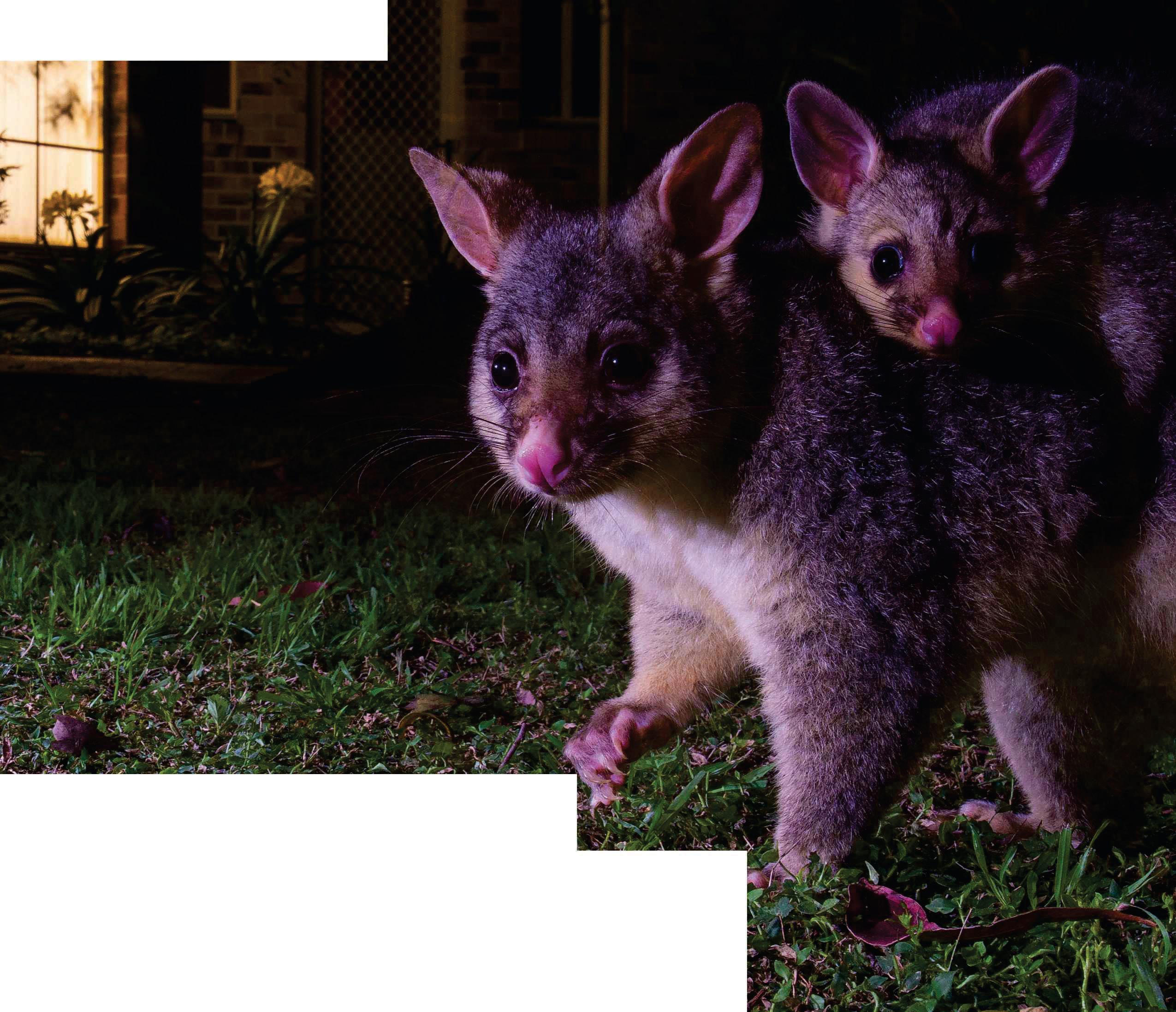
T HAS BEEN DONE ON LUNDY (SIZE: 4.45km²), Ruapuke Island (16km²) and South Georgia (3,500km²), but now conservationists want to eliminate nonnative, invasive predators from much, much larger sites: New Zealand's North (114,000km²) and South (150,000km²) Islands.
No one denies that it is an admirable ambition because alien, mainly European mammals have had a devastating impact on New Zealand's native fauna, with an estimated 25-30 bird extinctions, plus losses of reptiles, amphibians and insects.
So when the government in Wellington announced it would aim to eradicate three species of rat, as well as stoats, weasels, ferrets and brush-tailed possums, the entire world took notice. It was bold and aspirational - but could it be done? And was it actually a good idea?
A big part of the new approach, explains Jessi Morgan of the Predator Free New Zealand Trust (generally shortened to PFNZ), is that the drive to eliminate these unwelcome species involves community participation all around the country.
New Zealanders have a long history of being involved in conservation projects such as planting trees or looking after local reserves, and they wanted to know how to get involved. “Conservation moved from something done in our national parks and the bush to something we do in our cities and in our backyards,” says Morgan.

Diese Geschichte stammt aus der September 2025-Ausgabe von BBC Wildlife.
Abonnieren Sie Magzter GOLD, um auf Tausende kuratierter Premium-Geschichten und über 9.000 Zeitschriften und Zeitungen zuzugreifen.
Sie sind bereits Abonnent? Anmelden
WEITERE GESCHICHTEN VON BBC Wildlife
BBC Wildlife
"I was terrified the elephant would ram us"
African elephant in Kenya

2 mins
January 2026
BBC Wildlife
ALL YOU EVER NEEDED TO KNOW ABOUT THE Fennec fox
THE FENNEC FOX IS THE SMALLEST fox in the world, with a body length that can be as little as 24cm.
3 mins
January 2026
BBC Wildlife
INTO THE PLASTISPHERE
A unique synthetic ecosystem is evolving in our oceans – welcome to the plastisphere
7 mins
January 2026
BBC Wildlife
“More than half of all animal life exists in a parasitic relationship, and all life lives in symbiosis”
Our survival depends on species evolving to live together - but some relationships take dark turns
7 mins
January 2026
BBC Wildlife
Are animals able to dream?
SLEEP IS A MYSTERIOUS THING. FOR A long time, we weren't sure why we do it.
1 mins
January 2026
BBC Wildlife
Does a cuckoo know it's a cuckoo?
ABSURD LITTLE BIRDS ACROSS THE world lay their eggs in the nests of other species, leaving the hapless parents to raise a changeling at the expense of their own offspring.
2 mins
January 2026
BBC Wildlife
Orcas killing young sharks
Juvenile great whites are easy prey for orca pod
1 mins
January 2026
BBC Wildlife
Ocean goes on tour
Acclaimed film touring the UK, backed by live orchestra and choir
1 min
January 2026
BBC Wildlife
Feisty bats hunt like lions
Winged mammals use a 'hang and wait' strategy to take down large prey
1 mins
January 2026
BBC Wildlife
SNAP-CHAT
Richard Birchett on magical merlins, wily coyotes and charging deer
2 mins
January 2026
Listen
Translate
Change font size