Versuchen GOLD - Frei
CALL OF THE WILD
BBC Wildlife
|September 2025
From tweets to underwater songs, discover the astonishing ways animals use sound to survive and thrive
THE BLACK-CAPPED chickadee is wonderfully onomatopoeic. When the diminutive songbird, which is Canada's answer to the great tit, spots a great-horned owl perched in a tree, it broadcasts a shrill 'chickadee-dee' noise to highlight its disapproval. It's unimpressed but not too alarmed, because the bulky raptor is slow and unlikely to cause trouble.
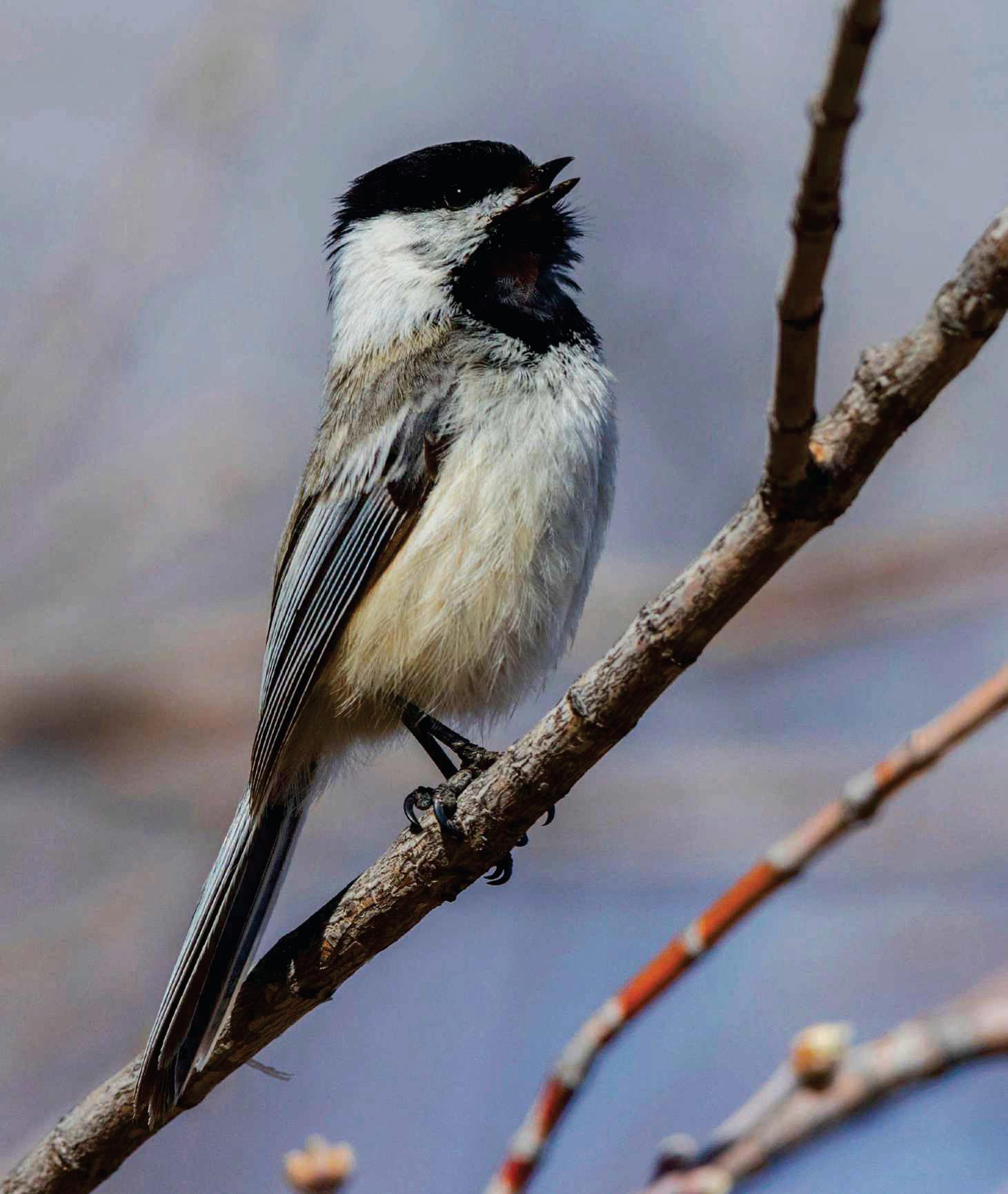 Then the chickadee spots a pygmy owl, also seated. This is a smaller, more agile predator, with a taste for small birds. In response, the chickadee ups the ante in the only way it knows how, adding an extra couple of 'dees' to the end of its call: 'Chickadee-dee-dee-dee!'
The sound is an avian call to arms, signalling flock members to mob the intruder. All at once, half a dozen small birds dive-bomb, harry and berate the hapless raptor, which - if all goes according to plan - then skulks off in search of a quieter life. Danger is averted.
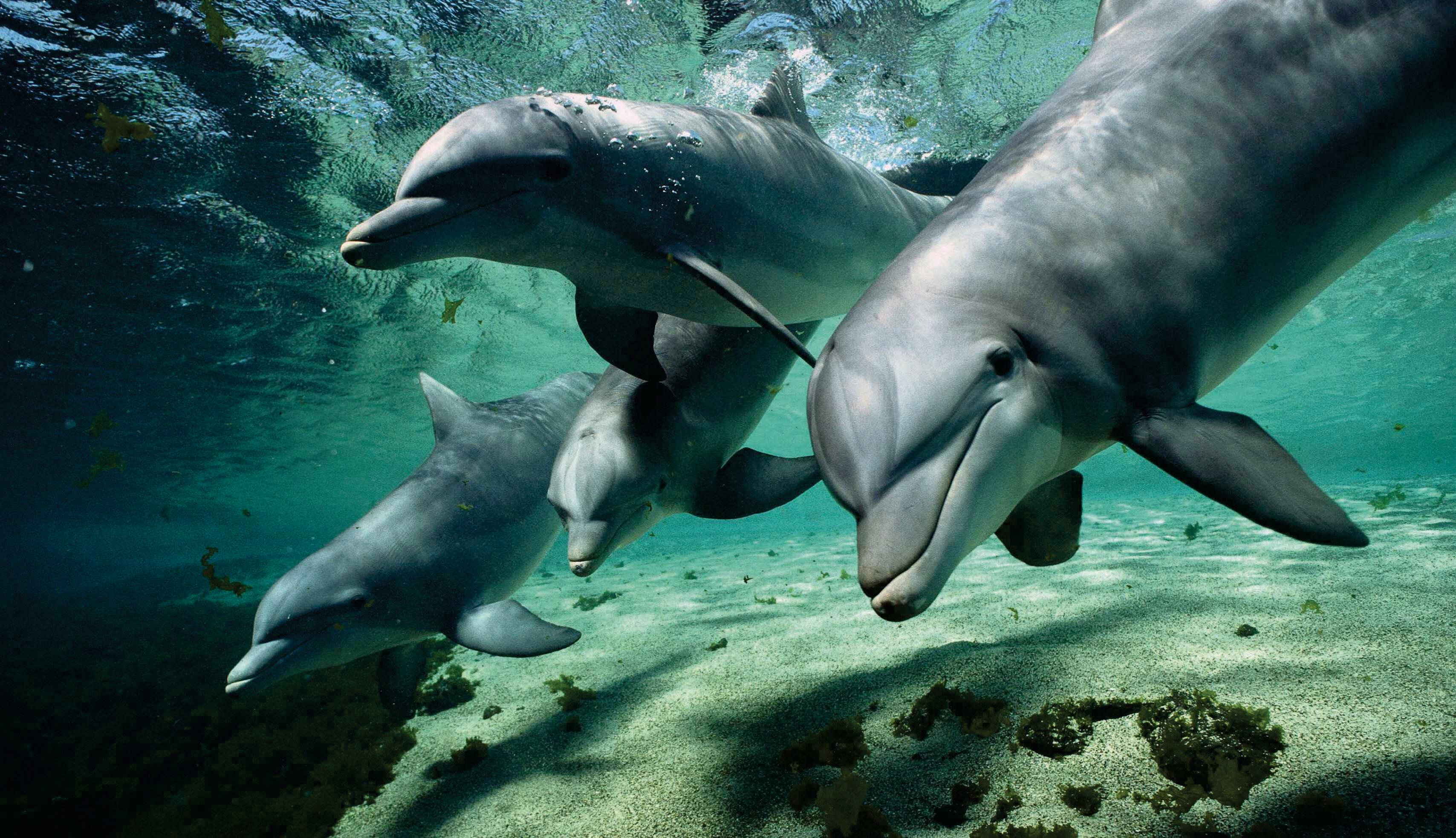 Versions of this story play out routinely in the woodlands of North America, providing a glimpse into the rich and varied world of animal communication. Animals communicate in many different ways, including sounds, smells and gestures. From the earsplitting cry of howler monkeys in the jungle to the bellowing of deer in northern forests, from the calls of songbirds to the whistles of dolphins, from the clicks of sperm whales to the low-frequency rumbles of elephants, research is now revealing just how diverse, complex and nuanced animal communication is.
We humans may like to think that our communication system is superior, but the strategies evolved by other animals to suit them and their lifestyles are perfect in their own way, too.

Diese Geschichte stammt aus der September 2025-Ausgabe von BBC Wildlife.
Abonnieren Sie Magzter GOLD, um auf Tausende kuratierter Premium-Geschichten und über 9.000 Zeitschriften und Zeitungen zuzugreifen.
Sie sind bereits Abonnent? Anmelden
WEITERE GESCHICHTEN VON BBC Wildlife
BBC Wildlife
"I was terrified the elephant would ram us"
African elephant in Kenya

2 mins
January 2026
BBC Wildlife
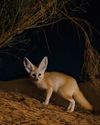
ALL YOU EVER NEEDED TO KNOW ABOUT THE Fennec fox
THE FENNEC FOX IS THE SMALLEST fox in the world, with a body length that can be as little as 24cm.
3 mins
January 2026

BBC Wildlife
INTO THE PLASTISPHERE
A unique synthetic ecosystem is evolving in our oceans – welcome to the plastisphere
7 mins
January 2026

BBC Wildlife
“More than half of all animal life exists in a parasitic relationship, and all life lives in symbiosis”
Our survival depends on species evolving to live together - but some relationships take dark turns
7 mins
January 2026
BBC Wildlife
Are animals able to dream?
SLEEP IS A MYSTERIOUS THING. FOR A long time, we weren't sure why we do it.
1 mins
January 2026
BBC Wildlife
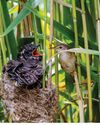
Does a cuckoo know it's a cuckoo?
ABSURD LITTLE BIRDS ACROSS THE world lay their eggs in the nests of other species, leaving the hapless parents to raise a changeling at the expense of their own offspring.
2 mins
January 2026
BBC Wildlife
Orcas killing young sharks
Juvenile great whites are easy prey for orca pod
1 mins
January 2026

BBC Wildlife
Ocean goes on tour
Acclaimed film touring the UK, backed by live orchestra and choir
1 min
January 2026
BBC Wildlife
Feisty bats hunt like lions
Winged mammals use a 'hang and wait' strategy to take down large prey
1 mins
January 2026

BBC Wildlife
SNAP-CHAT
Richard Birchett on magical merlins, wily coyotes and charging deer
2 mins
January 2026
Listen
Translate
Change font size