
Mit Magzter GOLD unbegrenztes Potenzial nutzen
Erhalten Sie unbegrenzten Zugriff auf über 9.000 Zeitschriften, Zeitungen und Premium-Artikel für nur
Versuchen GOLD - Frei
Big cats in BRITAIN
BBC Wildlife
|February 2025
Sightings and DNA tests suggest that large cats such as black leopards are quietly naturalising in Britain. Here’s the whole story.
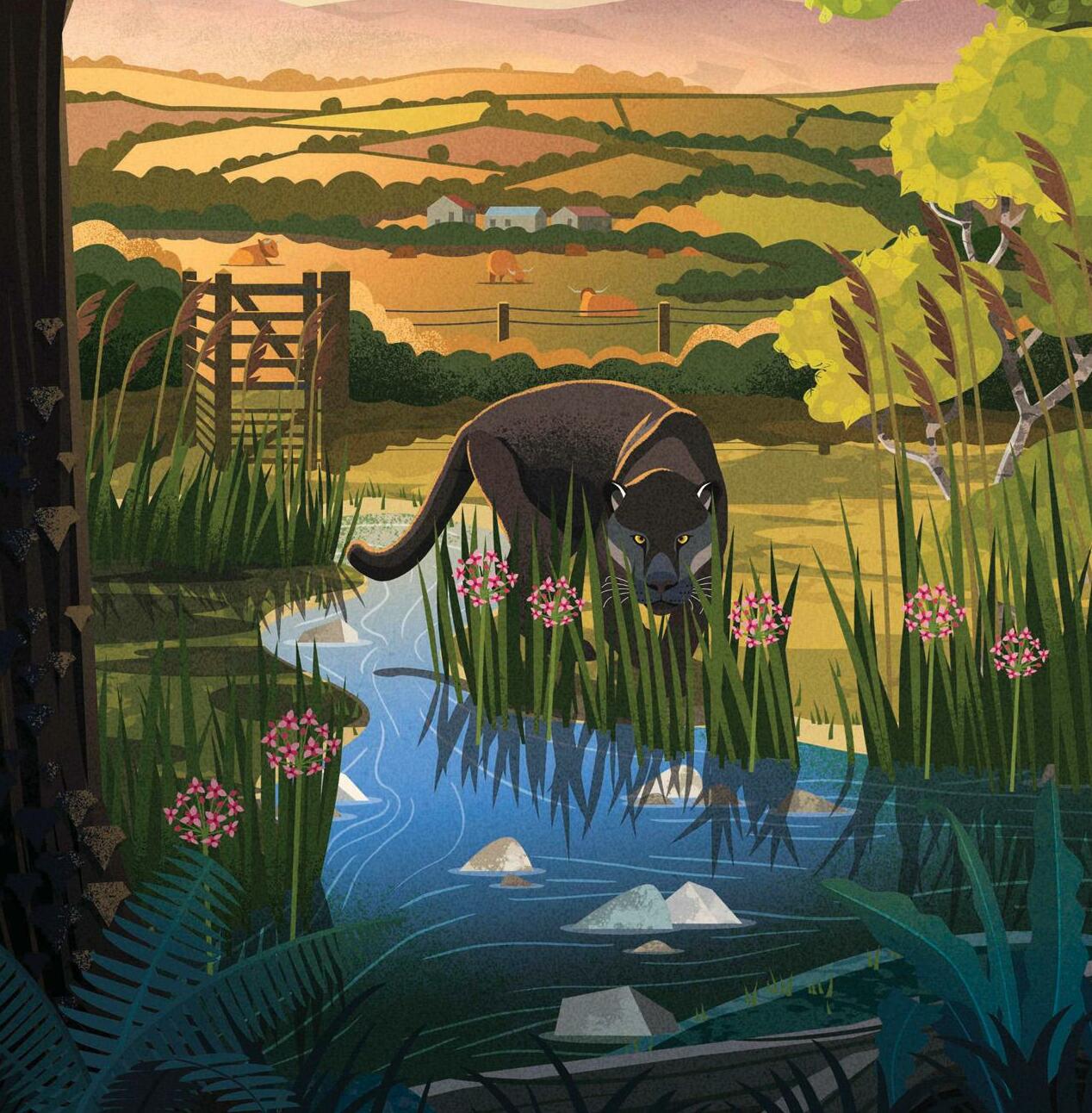
“I WAS ROLLING ON THE COMPOST heap, when I take my deer droppings,” said a groundsman, describing the giant black cat he confronted in the grounds of a care home in south-west England, back in 2012. “It jumped the fence and went like a rocket across the next field.”
A month later, the remains of a half-eaten roe deer appeared overnight, behind a hedge but closer to the property. It showed the predator’s canine impacts, sunk into the windpipe area, 4cm apart. For the next few weeks, staff on the night shift parked as close as they could to the entrance door. No one gossiped about their secret feline visitor. I was asked informally for advice, and also knew to keep it quiet.
Something lurks in the shadows of our rural idyll. Similar incidents play out in farms, stables, rural estates, golf courses, utility holdings, landfill sites and even nature reserves across the country. Large cats, mainly resembling black leopards (also known as panthers), but also sometimes mountain lions, and, very occasionally, lynx, are reported across such locations.
Of the 40 species of wild cat, these three are consistently described, year on year. But witnesses usually keep their heads down, keen to avoid a commotion or perhaps fearful of social ridicule. After all, if you claim to have seen a big cat in Britain, few people are likely to believe you.
On five occasions now, perfect footage of encounters has been shown or described to me in detail, captured on phone cameras, trail cameras and CCTV. Yet not even offers of cash would persuade these informants to part with their evidence. Privacy, shooting rights and business status are simply too much to lose.
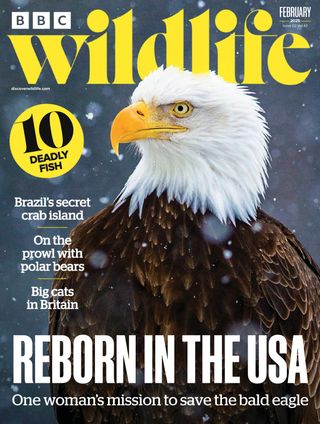

Diese Geschichte stammt aus der February 2025-Ausgabe von BBC Wildlife.
Abonnieren Sie Magzter GOLD, um auf Tausende kuratierter Premium-Geschichten und über 9.000 Zeitschriften und Zeitungen zuzugreifen.
Sie sind bereits Abonnent? Anmelden
WEITERE GESCHICHTEN VON BBC Wildlife
BBC Wildlife
"I was terrified the elephant would ram us"
African elephant in Kenya

2 mins
January 2026
BBC Wildlife
ALL YOU EVER NEEDED TO KNOW ABOUT THE Fennec fox
THE FENNEC FOX IS THE SMALLEST fox in the world, with a body length that can be as little as 24cm.
3 mins
January 2026
BBC Wildlife
INTO THE PLASTISPHERE
A unique synthetic ecosystem is evolving in our oceans – welcome to the plastisphere
7 mins
January 2026
BBC Wildlife
“More than half of all animal life exists in a parasitic relationship, and all life lives in symbiosis”
Our survival depends on species evolving to live together - but some relationships take dark turns
7 mins
January 2026
BBC Wildlife
Are animals able to dream?
SLEEP IS A MYSTERIOUS THING. FOR A long time, we weren't sure why we do it.
1 mins
January 2026
BBC Wildlife
Does a cuckoo know it's a cuckoo?
ABSURD LITTLE BIRDS ACROSS THE world lay their eggs in the nests of other species, leaving the hapless parents to raise a changeling at the expense of their own offspring.
2 mins
January 2026
BBC Wildlife
Orcas killing young sharks
Juvenile great whites are easy prey for orca pod
1 mins
January 2026
BBC Wildlife
Ocean goes on tour
Acclaimed film touring the UK, backed by live orchestra and choir
1 min
January 2026
BBC Wildlife
Feisty bats hunt like lions
Winged mammals use a 'hang and wait' strategy to take down large prey
1 mins
January 2026

BBC Wildlife
SNAP-CHAT
Richard Birchett on magical merlins, wily coyotes and charging deer
2 mins
January 2026
Listen
Translate
Change font size