Versuchen GOLD - Frei
THE SAFE ZONE
BBC Wildlife
|August 2022
Vultures are in decline the world over, but in Nepal, designated safe zones are helping their recovery

ABOUT THE AUTHOR
Graeme Green is a British photographer, journalist and travel writer. His work around the world takes in a variety of wildlife and outdoor adventures, often with a sharp focus on cultural and global issues. Find out more at graeme-green.com.
IT'S AN IMPORTANT STEP," says Ishana Thapa, CEO of Bird Conservation Nepal. "After all our efforts, to have been proven scientifically as the first ever Vulture Safe Zone is quite an achievement. It's the first in the world."
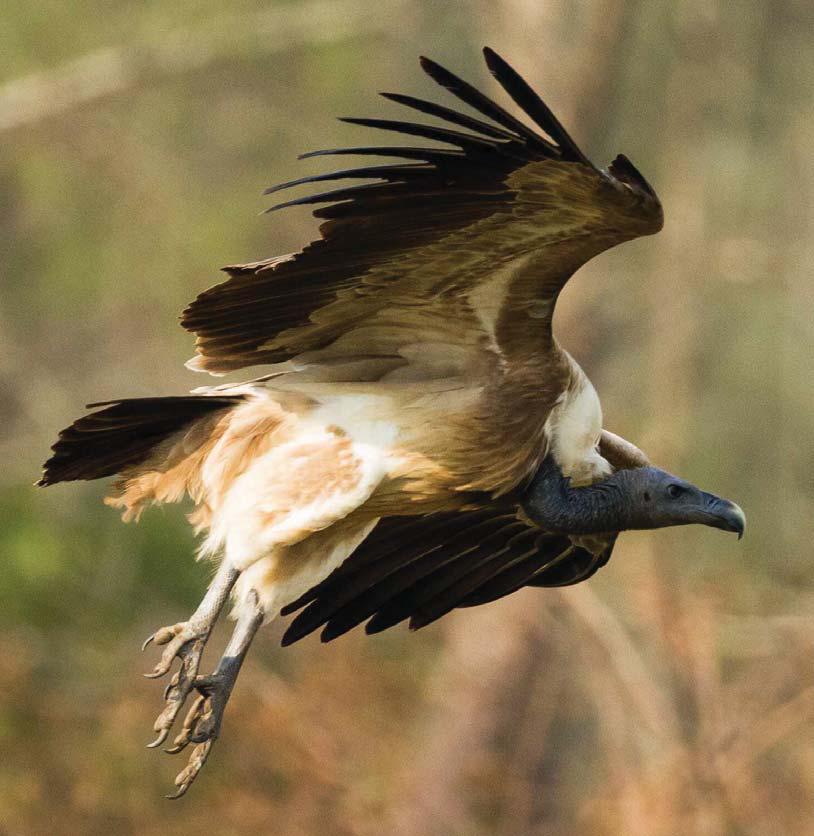
There hasn't been much good news for the world's rapidly declining vulture populations in the past few decades. But the recent announcement of the first ever Vulture Safe Zone (VSZ) in Nepal offers a glimmer of hope for the raptors, and could be key to securing their future.
The Gandaki-Lumbini VSZ encompasses 7,500km² in south-west Nepal, the buffer zone taking in Chitwan National Park. "In the same way people have a protected area for tigers or other animals, a Vulture Safe Zone is a protected area for vultures," Thapa explains.
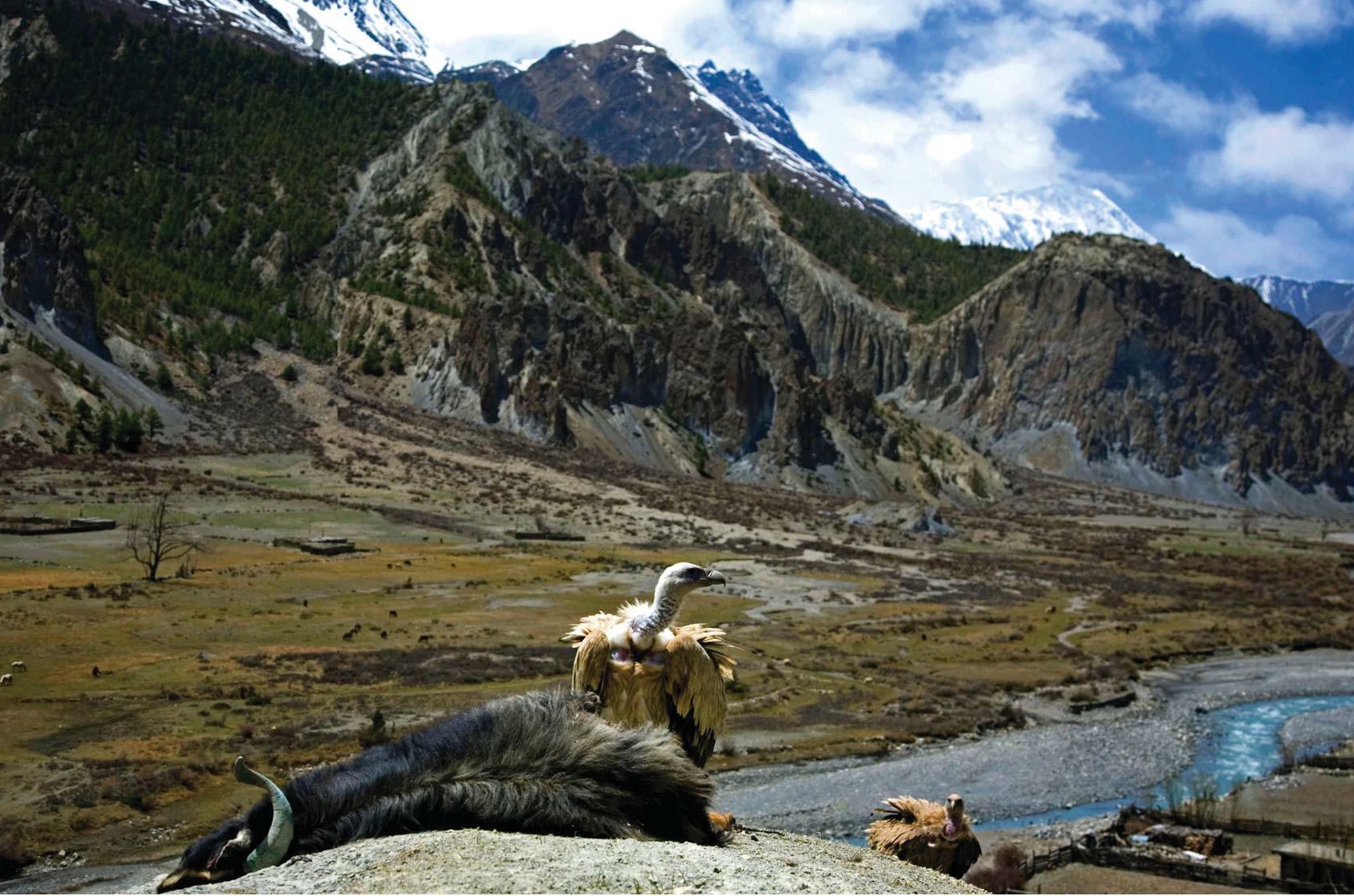
There are 23 vulture species in the world. These often underrated birds have experienced 90-99 per cent declines throughout Asia and serious declines in many African countries. In Asia and Africa, more than half the resident vulture species are now listed as critically endangered.
Where is Nepal's Vulture Safe Zone?
Covering a large area of south-west Nepal, GandakiLumbini VSZ takes in part of the country's Chitwan National Park.

Diese Geschichte stammt aus der August 2022-Ausgabe von BBC Wildlife.
Abonnieren Sie Magzter GOLD, um auf Tausende kuratierter Premium-Geschichten und über 9.000 Zeitschriften und Zeitungen zuzugreifen.
Sie sind bereits Abonnent? Anmelden
WEITERE GESCHICHTEN VON BBC Wildlife
BBC Wildlife
"I was terrified the elephant would ram us"
African elephant in Kenya

2 mins
January 2026
BBC Wildlife
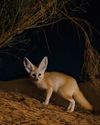
ALL YOU EVER NEEDED TO KNOW ABOUT THE Fennec fox
THE FENNEC FOX IS THE SMALLEST fox in the world, with a body length that can be as little as 24cm.
3 mins
January 2026

BBC Wildlife
INTO THE PLASTISPHERE
A unique synthetic ecosystem is evolving in our oceans – welcome to the plastisphere
7 mins
January 2026
BBC Wildlife
“More than half of all animal life exists in a parasitic relationship, and all life lives in symbiosis”
Our survival depends on species evolving to live together - but some relationships take dark turns
7 mins
January 2026
BBC Wildlife
Are animals able to dream?
SLEEP IS A MYSTERIOUS THING. FOR A long time, we weren't sure why we do it.
1 mins
January 2026
BBC Wildlife
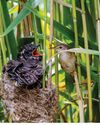
Does a cuckoo know it's a cuckoo?
ABSURD LITTLE BIRDS ACROSS THE world lay their eggs in the nests of other species, leaving the hapless parents to raise a changeling at the expense of their own offspring.
2 mins
January 2026
BBC Wildlife
Orcas killing young sharks
Juvenile great whites are easy prey for orca pod
1 mins
January 2026

BBC Wildlife
Ocean goes on tour
Acclaimed film touring the UK, backed by live orchestra and choir
1 min
January 2026
BBC Wildlife
Feisty bats hunt like lions
Winged mammals use a 'hang and wait' strategy to take down large prey
1 mins
January 2026
BBC Wildlife
SNAP-CHAT
Richard Birchett on magical merlins, wily coyotes and charging deer
2 mins
January 2026
Translate
Change font size