Versuchen GOLD - Frei
RETURN OF THE GIANTS
BBC Wildlife
|November 2024
After two decades of preparations, the island of Floreana in the Galápagos is ready to welcome back an iconic tortoise

I WAS WALKING DOWN A SANDY trail perforated by volcanic rocks - the sharp, pointy kind that ruin boots and twist ankles. The heat was making my feet heavy and had scorched the trees to skeletons. While I walked and talked with other members of the group, thirsty mockingbirds hopped between the - surrounding thickets.
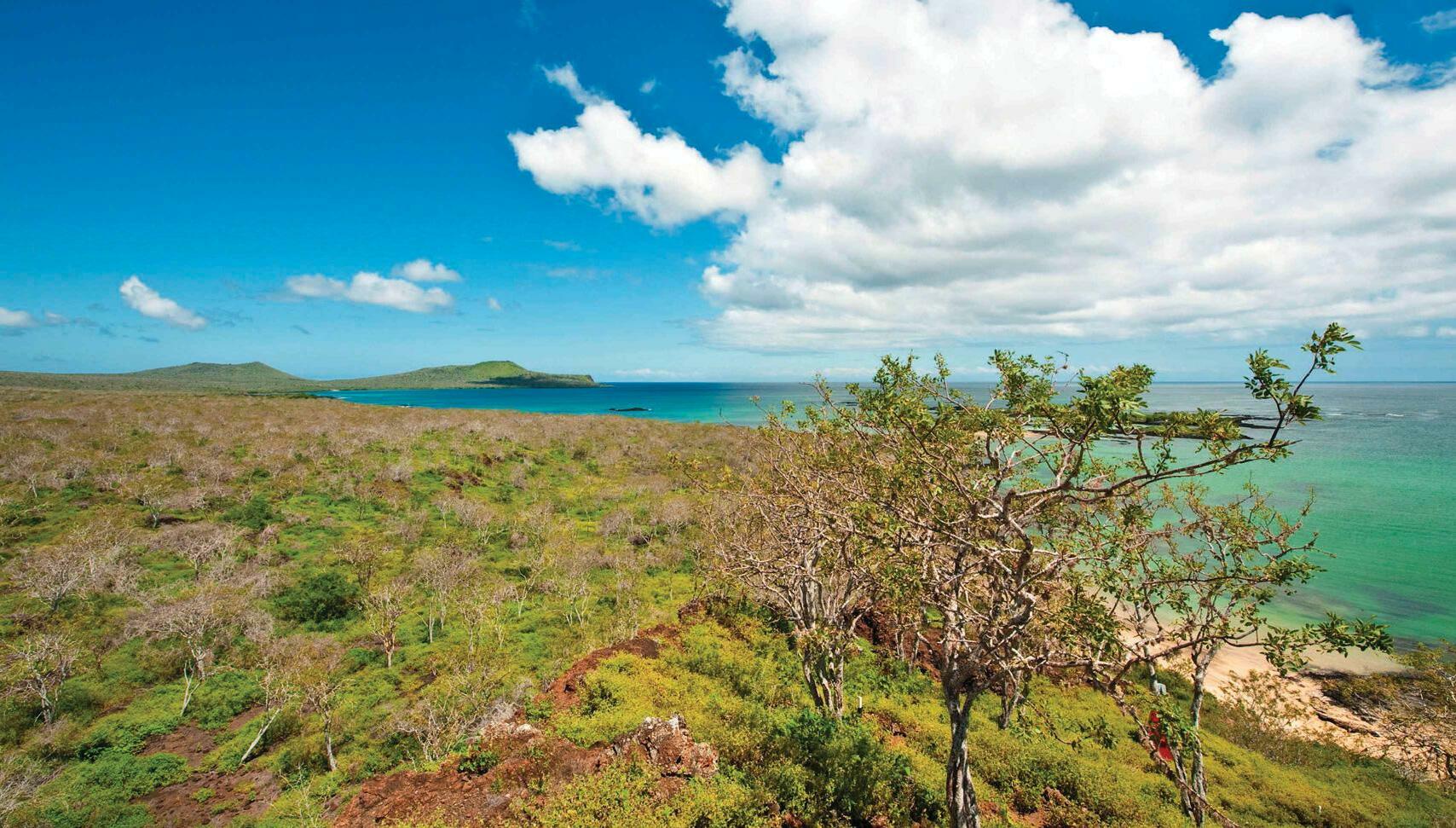
I was on San Cristóbal, the easternmost island of the Galápagos, an archipelago born from volcanoes. Here, evolution takes place at such speed that scientists observe certain islands day and night.
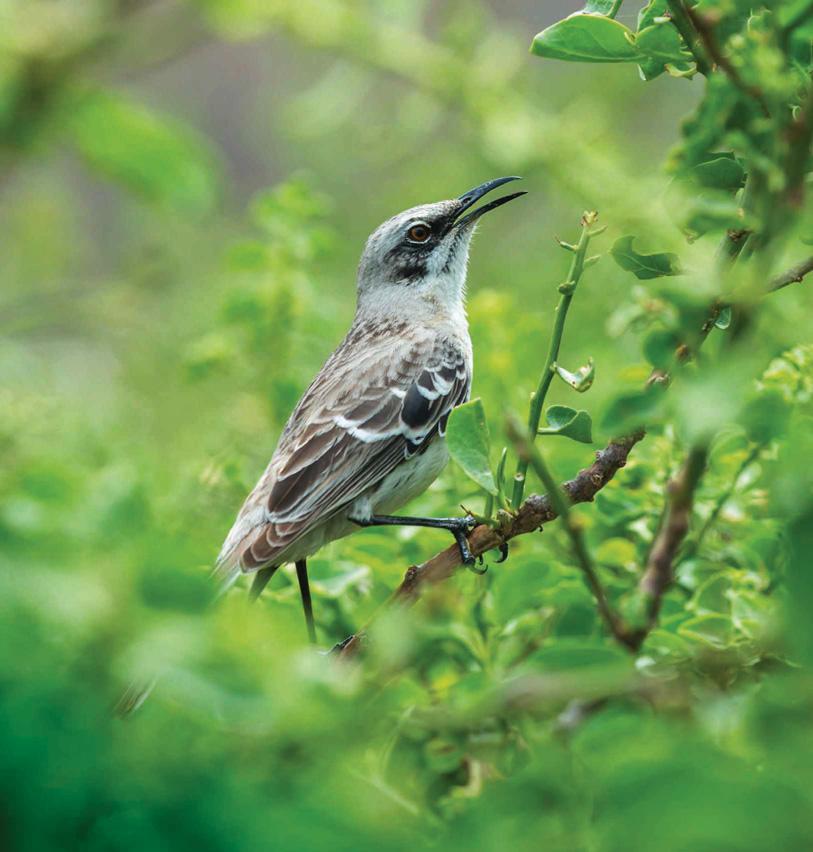 I was following in the footsteps of whalers and pirates, yet the animals here know no fear. Blue-footed boobies ignore you as they waggle their feet at prospective mates; spectacular marine iguanas glisten in the sun between swims.
My destination was a volcanic crater. Two craters now fused into one, its cool, muddy bowls are the perfect place for another Galápagos icon - the giant tortoise. Here, these creatures bathe, bask and, if they're lucky, breed.
 The group stopped for a drink, and a noise that was at once familiar and alien broke the silence: the mew of a kitten. Our heads turned in unison and our guide, Fernando, disappeared into the bush to investigate. In a place as highly conserved at this, we all knew what had to happen.
San Cristóbal was once overrun by cats, rats and goats. Some snuck onto the island with pirates and whalers in the 1600s; others were intentionally brought here by settlers in the 1700s. The herbivores outcompeted the leisurely tortoises for food and carnivores feasted on their eggs, and the population nosedived. Fernando radioed the location to a team who would take care of the matter, and we pressed on.

Diese Geschichte stammt aus der November 2024-Ausgabe von BBC Wildlife.
Abonnieren Sie Magzter GOLD, um auf Tausende kuratierter Premium-Geschichten und über 9.000 Zeitschriften und Zeitungen zuzugreifen.
Sie sind bereits Abonnent? Anmelden
WEITERE GESCHICHTEN VON BBC Wildlife
BBC Wildlife
"I was terrified the elephant would ram us"
African elephant in Kenya

2 mins
January 2026
BBC Wildlife
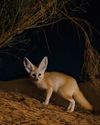
ALL YOU EVER NEEDED TO KNOW ABOUT THE Fennec fox
THE FENNEC FOX IS THE SMALLEST fox in the world, with a body length that can be as little as 24cm.
3 mins
January 2026
BBC Wildlife
INTO THE PLASTISPHERE
A unique synthetic ecosystem is evolving in our oceans – welcome to the plastisphere
7 mins
January 2026
BBC Wildlife
“More than half of all animal life exists in a parasitic relationship, and all life lives in symbiosis”
Our survival depends on species evolving to live together - but some relationships take dark turns
7 mins
January 2026
BBC Wildlife
Are animals able to dream?
SLEEP IS A MYSTERIOUS THING. FOR A long time, we weren't sure why we do it.
1 mins
January 2026
BBC Wildlife
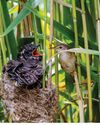
Does a cuckoo know it's a cuckoo?
ABSURD LITTLE BIRDS ACROSS THE world lay their eggs in the nests of other species, leaving the hapless parents to raise a changeling at the expense of their own offspring.
2 mins
January 2026
BBC Wildlife
Orcas killing young sharks
Juvenile great whites are easy prey for orca pod
1 mins
January 2026
BBC Wildlife
Ocean goes on tour
Acclaimed film touring the UK, backed by live orchestra and choir
1 min
January 2026
BBC Wildlife
Feisty bats hunt like lions
Winged mammals use a 'hang and wait' strategy to take down large prey
1 mins
January 2026
BBC Wildlife
SNAP-CHAT
Richard Birchett on magical merlins, wily coyotes and charging deer
2 mins
January 2026
Listen
Translate
Change font size