
Mit Magzter GOLD unbegrenztes Potenzial nutzen
Erhalten Sie unbegrenzten Zugriff auf über 9.000 Zeitschriften, Zeitungen und Premium-Artikel für nur
Versuchen GOLD - Frei
Soaring Symbols
Global Traveler
|Class Act 2020
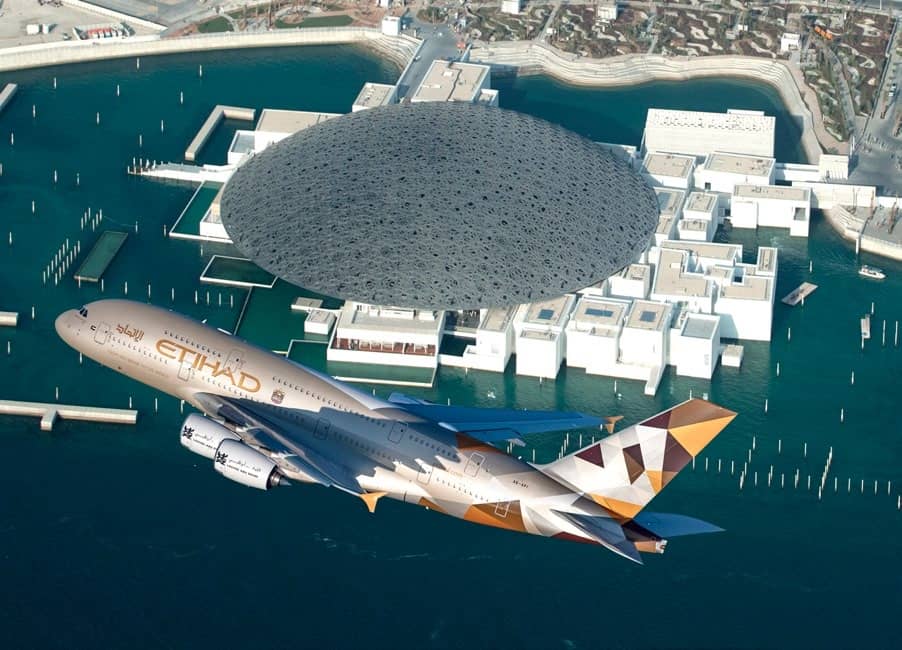
Whether landscapes or wildlife, airline liveries tell a story from nose to tail.

Way back when, Leonardo da Vinci made a written, slightly dismissive notation that a poet would likely be overcome by sleep and hunger before being able to describe with “mere words” what a painter or artist could convey, in a single instant, through an image. Over the ensuing centuries, this sentiment has become a staple in the world of marketing — including the aviation industry, where meticulously designed liveries deliver a quick flash of branding-meets-possibility.
In 1911 newspaper editor Tess Flanders expanded upon Da Vinci’s rhetoric when she was quoted as saying, “Use a picture. It’s worth a thousand words.” A few years later, in 1927, Fred R. Barnard used the phrase in the advertising trade journal Printer’s Ink (later called Marketing/Communications), driving it firmly into the global psyche of branding.
The adoption of liveries was a natural progression not only in the evolution of brand awareness but also in the concept of using the body of a plane as a canvas. The French early embraced the painting of planes, introducing camouflage colors and patterns to confuse enemy pilots in World War 1. Later, custom nose art, often depicting voluptuous pin-up girls, appeared on wartime aircraft, serving the dual purpose of intimidating foes and boosting the morale of comrades in arms.
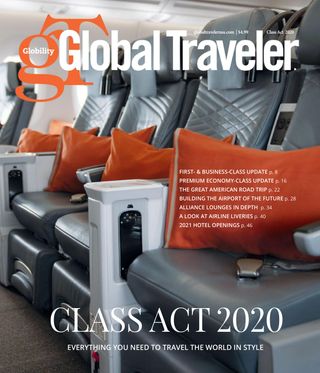

Diese Geschichte stammt aus der Class Act 2020-Ausgabe von Global Traveler.
Abonnieren Sie Magzter GOLD, um auf Tausende kuratierter Premium-Geschichten und über 9.000 Zeitschriften und Zeitungen zuzugreifen.
Sie sind bereits Abonnent? Anmelden
WEITERE GESCHICHTEN VON Global Traveler
Global Traveler
Nurturing Nature
Connect with the abundant flora and fauna of Belize.

2 mins
March 2022
Global Traveler
Sojourn by the Sea
Discover plenty to smile about in Thailand’s exotic islands.
4 mins
March 2022
Global Traveler
Colorado Dreaming
For family ski fun, Snowmass and Beaver Creek steal the show.
7 mins
March 2022
Global Traveler
The Great Outdoors
Anchorage opens the door to all that is wild in Alaska.
3 mins
March 2022
Global Traveler
Buenos Aires on Foot
Hit the highlights with online itineraries and the city’s free app.
2 mins
March 2022

Global Traveler
Above and Beyond
Global Traveler celebrates the 2021 winners of the GT Tested Reader Survey awards.
12 mins
March 2022
Global Traveler
Wellness Wonderland
Reboot at Lake Austin Spa Resort in Texas Hill Country.
4 mins
March 2022

Global Traveler
Good Vibes
Adelaide’s West End thrives as a hip urban hub close to nature.
2 mins
March 2022

Global Traveler
Solo Voyages
Cruise lines adapt policies to accommodate those traveling alone.
4 mins
March 2022

Global Traveler
Grand Slam
Follow the pro tennis tour around the world.
2 mins
March 2022
Translate
Change font size