Versuchen GOLD - Frei
Antimicrobial Resistance In Post-Pandemic Era
Scientific India
|March - April 2022
Over the years microorganisms have developed Oresistance to antibiotics, antifungals, antivirals, antimalarials, and anthelmintics by a phenomenon known as antimicrobial resistance (AMR).

Millions of people die each year as a result of lack of comprehensive measures to combat AMR. Most patients in impoverished countries self-treat because either public hospitals are overloaded or would impose higher financial obligations, or they just want to see whether they get better. As a result, the high number of patients who seek antimicrobials directly can have a significant influence on antimicrobial usage rates and AMR development. The substantial rise in wide-ranging antibiotics use in COVID19-affected nations has put harmful microorganisms under a lot of selection pressure. As a result, in the postpandemic period, AMR will become a global epidemic in near future.
Excessive usage of disinfectants such as alcohol, quaternary ammonium compounds, phenols, hydrogen peroxide, and solvents, which triggers microbial DNA damage, has risen during COVID-19. The stimulation of translesion synthesis polymerases (TLS) by bacteria in response to DNA damage tolerates and bypasses unrepaired DNA lesions, resulting in mutations that contribute to the development of AMR. According to research, bacterial and fungal infections, some of which are resistant to antibiotics and antifungals, account for roughly half of the deaths of hospitalized COVID-19 patients. Antimicrobial-resistant diseases are most common in healthcare settings like hospitals and nursing homes, where infections can spread quickly among people with weakened immune systems. Some resistant strains viz. Klebsiella pneumonia, Pseudomonas aeruginosa, extended-spectrum beta-lactamase, MDR E. coli, Enterococcus Chlamydia pneumoniae, Mycoplasma pneumoniae, and Acinetobacter have been reported in patients with COVID-19. Additionally, due to differences in healthcare practices, antibiotic medication, and infection prevention techniques, AMR rates would be varied.

Diese Geschichte stammt aus der March - April 2022-Ausgabe von Scientific India.
Abonnieren Sie Magzter GOLD, um auf Tausende kuratierter Premium-Geschichten und über 9.000 Zeitschriften und Zeitungen zuzugreifen.
Sie sind bereits Abonnent? Anmelden
WEITERE GESCHICHTEN VON Scientific India
Scientific India
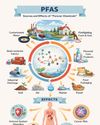
Global Fight Against PFAS Pollution: A Turning Point in Regulation and Justice
Per-and polyfluoroalkyl substances (PFAS), a group of over 10,000 synthetic chemicals known for their extreme persistence in the environment and the human body, have become one of the most challenging pollution issues of our times.

2 mins
January - February 2026
Scientific India
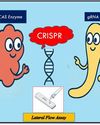
CRISPR-Cas Technology: Revolutionizing the future of modern disease diagnosis and healthcare
The accurate and rapid detection of human pathogens is critical for public health.
3 mins
January - February 2026
Scientific India
Ecology to Epidemiology: How Forest Loss Is Increasing Mosquitoes Thirst for Human Blood
Forests are not only important for climate regulation and biodiversity conservation they are also critical for maintaining ecological balance and protecting human health.
3 mins
January - February 2026

Scientific India
The 10 biggest science stories of 2025
The year 2025 was marked by remarkable scientific achievements that pushed the boundaries of medicine, genetics, and biotechnology. Breakthroughs once considered futuristic moved from theory to real-world application, offering new hope for patients and redefining the limits of innovation.
6 mins
January - February 2026

Scientific India
Just two days of oatmeal cut bad cholesterol by 10%
Eating mostly oatmeal for just two days may significantly reduce cholesterol, according to a clinical trial from the University of Bonn published in Nature Communications.
3 mins
January - February 2026
Scientific India
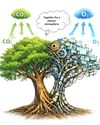
Artificial Trees: The Technology Breathe for the Globe
Global raising concern over for clean air due to progression of population, industrialization, urbanization, vehicular emission are pushed air pollution and atmospheric carbon dioxide to alarming level.
4 mins
January - February 2026

Scientific India
Five outstanding physics research in 2025
This year has been vibrant for physics research; scientists of various sub disciplines have uncovered many unknowns, from the discovery of single naked black holes to the invention of 2D metallic sheets.
5 mins
January - February 2026

Scientific India
Top 10 Science Stories of India in 2025
The year 2025 has been a landmark for Indian science, characterized by \"firsts\" in space, indigenous computing, and breakthroughs in lifesaving genetics. Here are the top 10 science and technology stories from India in 2025:
4 mins
January - February 2026

Scientific India
Extremophiles Microbes from Hot Springs - Identified as a Potential Source of Next Generation Biobased Sunscreens
Protection from harmful ultraviolet (UV) radiation is essential for human health.
3 mins
January - February 2026
Scientific India
Global Fight Against PEAS Pollution: A Turning Point in Regulation and Justice
Per- and polyfluoroalkyl substances (PFAS), a group of over 10,000 synthetic chemicals known for their extreme persistence in the environment and the human body, have become one of the most challenging pollution issues of our times.
2 mins
January - February 2026
Translate
Change font size