Versuchen GOLD - Frei
DHARAVI, THE SURVIVOR
Down To Earth
|August 16, 2020
Dharavi has proven the doomsday predictions wrong and is now being hailed as a global model to combat COVID-19. How did one of the world’s biggest slums curtail the spread of the pandemic, when at least 10 people live in a cramped 1-2-metre shack? How did it manage to keep the number of cases and deaths low despite pathetic hygiene conditions and without proper medical facilities?

So, on April 1 when Dharavi reported its first case of COVID-19, it sent jitters among the authorities, already struggling to contain the spread of COVID-19 in Mumbai. With hospitals running out of beds, and death toll touching new highs, the city had become one of the hotbeds of infection in the country.
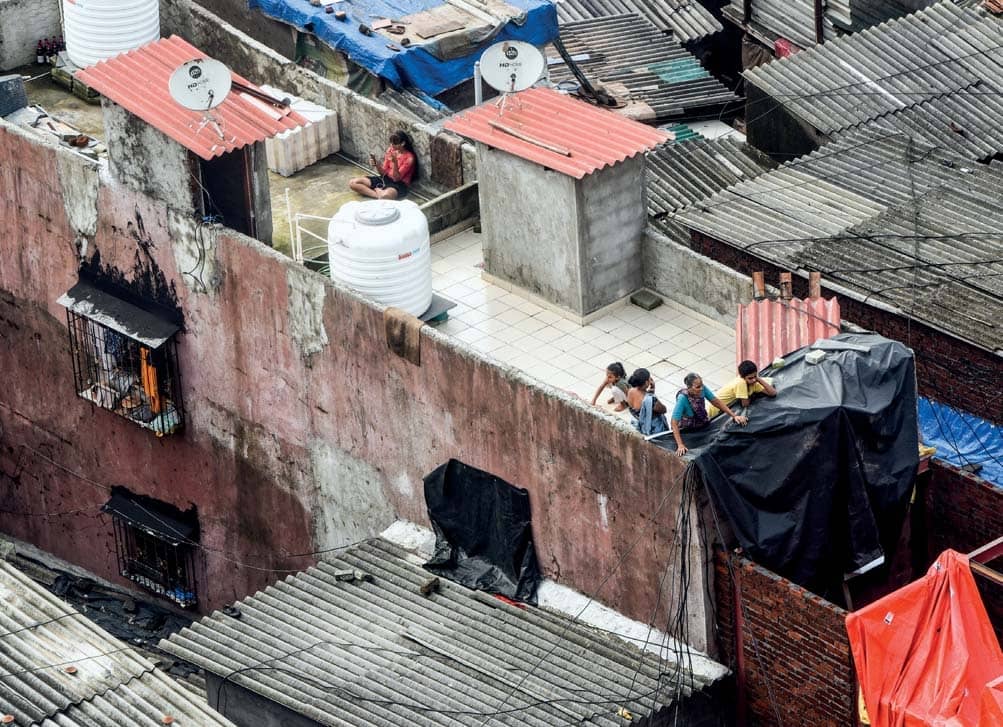
It was feared that Dharavi’s cramped set-up would soon lead to community transmission, making matters worse and throwing a medical challenge seen never before. After all, maintaining the physical distance of at least 6 ft (2 metres), which is the first line of defence to prevent the spread of COVID-19, is nearly absent in Dharavi even if one gets confined in a shack. Wearing masks in suffocating settings and regular washing of hands and maintaining hygiene are the other impediments. But Dharavi has survived the brush with the pandemic.
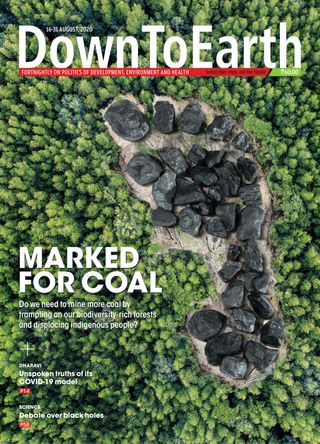

Diese Geschichte stammt aus der August 16, 2020-Ausgabe von Down To Earth.
Abonnieren Sie Magzter GOLD, um auf Tausende kuratierter Premium-Geschichten und über 9.000 Zeitschriften und Zeitungen zuzugreifen.
Sie sind bereits Abonnent? Anmelden
WEITERE GESCHICHTEN VON Down To Earth

Down To Earth
THE GREAT PIVOT
China's moves to transition to clean energy offer critical lessons to India

4 mins
March 01, 2026

Down To Earth
COAL V CORRIDOR
A proposal to mine coal along a corridor that links two tiger reserves in central India is a step away from getting final clearance. The move could affect movement and genetic diversity of tiger populations in the region
8 mins
March 01, 2026

Down To Earth
India's challenging AI predicament
Hobbled by lack of innovation and AI skills in its crucial technology sector, India is focusing on a ruinous plan to host data centres
4 mins
March 01, 2026
Down To Earth
China to implement zero tariffs across Africa
CHINA ON February 14 announced that it will implement zero tariffs for imports from all the 53 African nations it has diplomatic relations with, starting from May 1.
1 min
March 01, 2026
Down To Earth
Poverty, sans the threshold
MEASUREMENT OF poverty is a fundamental exercise, needed to direct development programmes.
2 mins
March 01, 2026
Down To Earth
A bridge across forever
For two decades, a Chhattisgarh village remains stuck in a loop of building temporary river crossings to access markets and sell forest produce
4 mins
March 01, 2026
Down To Earth
Liveable cities need a new model
CRY FOR my Delhi. This is my city—my family records many generations who have lived here.
3 mins
March 01, 2026

Down To Earth
Real impacts of the changing seasons
This refers to the article \"1,500 days, and an alarm for new climate\" (1-15 December, 2025).
1 mins
March 01, 2026

Down To Earth
‘It’s a systematic effort by US to dismantle climate policy’
The US, the world's largest historical emitter of greenhouse gases, has overturned its “endangerment finding”, the legal foundation for regulating emissions under the Clean Air Act since 2009.
4 mins
March 01, 2026
Down To Earth
Amazon turned carbon source in 2023 drought
EXTREME DROUGHT and a prolonged heatwave in 2023 pushed parts of the Amazon rainforest from acting as a carbon sink to becoming a carbon source for three months, according to a February 13 study published in the journal AGU Advances of the American Geophysical Union.
1 min
March 01, 2026
Translate
Change font size