
Mit Magzter GOLD unbegrenztes Potenzial nutzen
Erhalten Sie unbegrenzten Zugriff auf über 9.000 Zeitschriften, Zeitungen und Premium-Artikel für nur
Versuchen GOLD - Frei
AI WILL NEVER THINK LIKE A HUMAN... AND THAT'S OKAY
BBC Science Focus
|June 2022
There's no point getting frustrated with artificial intelligence when it doesn't do what we expect it to. Instead, we should focus on the ways it can help and support people

Since the start of the pandemic, AI developers have deployed hundreds of machine learning tools to help diagnose COVID-19. The promise: to find patterns in the medical data like an algorithmic version of the television character Dr House. Recently, researchers have discovered that these AI tools were overhyped. Instead of discovering relevant connections between cases, the algorithms were making a litany of false assumptions, including predicting COVID cases based on the text font that hospitals happened to use in their documents.
This does not mean that machine learning is useless. It means that we need to better understand the strengths and limitations of AI.
To a human, it's obvious that a text font is not a good predictor for infectious diseases. But to a machine, that's not obvious at all. AI may be able to use informational input to make predictions, but it's not aware of what it's doing. It doesn't understand concepts or context, and is easily thrown off by biased or mislabelled data that wouldn't fool a four-year-old. As machine learning expert Janelle Shane explains in her AI weirdness book You Look Like A Thing And I Love You, the mistakes machines make feel absurd to us because they don't perceive the world like we do.

Diese Geschichte stammt aus der June 2022-Ausgabe von BBC Science Focus.
Abonnieren Sie Magzter GOLD, um auf Tausende kuratierter Premium-Geschichten und über 9.000 Zeitschriften und Zeitungen zuzugreifen.
Sie sind bereits Abonnent? Anmelden
WEITERE GESCHICHTEN VON BBC Science Focus
BBC Science Focus
HOW FISH COULD SAVE MILLIONS OF PEOPLE'S SIGHT
There's nowhere near enough donors to meet the demand for corneal transplants. A pioneering treatment that relies on fish scales could change that

3 mins
May 2026

BBC Science Focus
Your Wi-Fi is lying to you
Wi-Fi 7's giant speed claims might look impressive, but the realities of our homes – and the laws of physics – mean that real-world performance will never get close
6 mins
May 2026
BBC Science Focus
WHICH ANIMAL IS MOST LIKELY TO ESCAPE FROM THE ZOO?
Have you heard the one about the monkey and the Yorkshire pudding?
2 mins
May 2026
BBC Science Focus
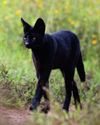
THE BLACK SERVAL
The black serval (Leptailurus serval) is an unusual, melanistic version of the African serval, a medium-sized wild cat that's native to Africa.
2 mins
May 2026
BBC Science Focus
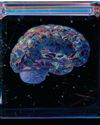
Cryosleep vs hibernation: What's the difference?
When hibernating animals, such as hedgehogs and dormice, disappear for winter, they don't freeze like the Siberian salamander.
1 mins
May 2026
BBC Science Focus
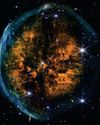
Space brain
The greatest names in science are often said to be 'big-brained', but this cosmic wonder puts them all to shame. Nebula PMR 1 - otherwise known as the 'Exposed Cranium' nebula for its distinctive shape - measures around 3.2 light-years across.
1 min
May 2026
BBC Science Focus
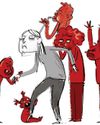
Your most draining relationships are taking years off your life, study suggests
Difficult people don't just zap your energy - they may also accelerate your biological ageing
4 mins
May 2026
BBC Science Focus
DOES EARTH HAVE A HEARTBEAT?
Move over, Ringo Starr.
1 mins
May 2026
BBC Science Focus
WEIGHT-LOSS DRUGS FOR ALL?
The obesity crisis is ruining lives and costing governments trillions. But some healthcare experts think there's now a radical solution: roll out GLP-1 jabs to everyone who needs them for free. Could it work?
9 mins
May 2026
BBC Science Focus
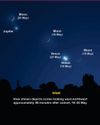
HOW TO SEE VENUS ON APPROACH TO JUPITER
Venus has been slowly moving away from the Sun's glare over the past few weeks, heading into the evening twilight after sunset.
1 mins
May 2026
Translate
Change font size