SOMETHING IN THE WATER
The Atlantic
|April 2020
Opposition to water fluoridation, while often vocal, has been largely a fringe crusade. But solid evidence for fluoridation’s value is surprisingly hard to find.

I BLAME my dentists. Not for poor dental care— Barbara and Gordon do great work. I blame them for sending me into a vortex of dento- epistemological anxiety.
On a tooth-cleaning visit not long ago, Barbara told me that in the late 1970s, when she attended dental school, her professors expected that most middle- class patients would lose a lot of their teeth and need dentures by the time they were in their 60s. Today, she said, most middle- class people keep their teeth until they are 80. The main reason for this, Barbara explained, was fluoridation— the practice of putting fluoride compounds in community drinking water to combat tooth decay.
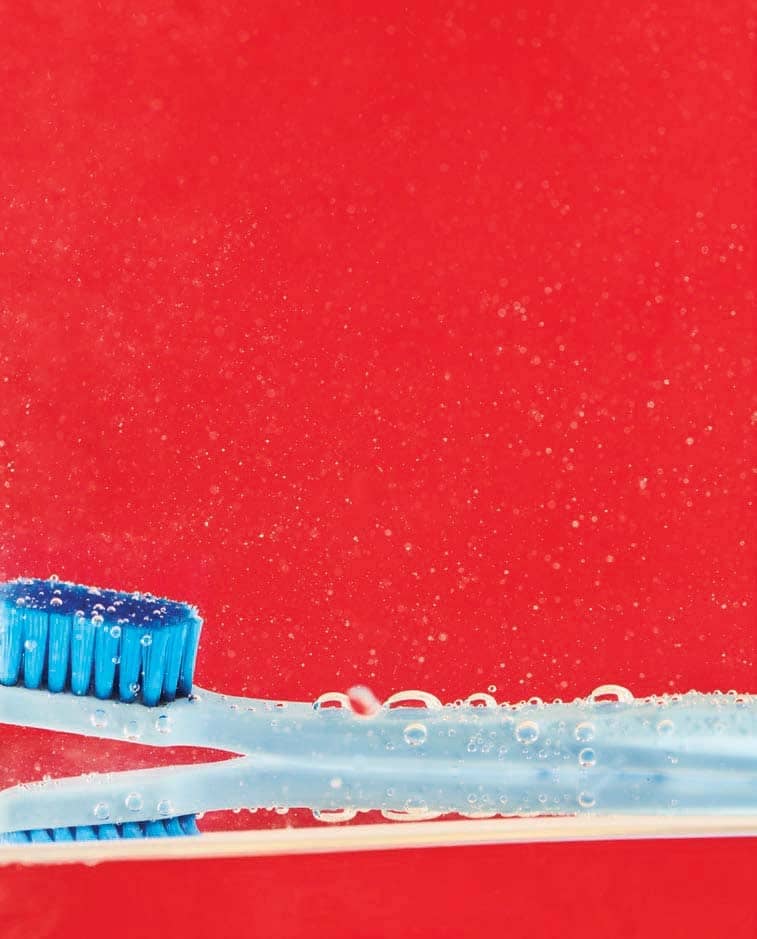
For reasons I can’t now recall, I mentioned this remark on social media. The inevitable but somehow surprising response: People I did not know troubled themselves to tell me that I was an idiot, and that fluoridation was terrible. Their skepticism made an impression. I found myself staring suspiciously, as I brushed, at my Colgate toothpaste. STRENGTHENS TEETH WITH ACTIVE FLUORIDE, the label promised. A thought popped into my head: I am now rubbing fluoride directly onto my teeth. So why is my town also dumping it into my drinking water?
Surely applying Colgate’s meticulously packaged fluoride paste directly onto my teeth, where it bonds with the surface to create a protective layer, was better than the more indirect method of pouring fluoride into reservoirs so that people drinking the water can absorb the fluoride, some of which then makes its way into their saliva.
Then I wondered:

Diese Geschichte stammt aus der April 2020-Ausgabe von The Atlantic.
Abonnieren Sie Magzter GOLD, um auf Tausende kuratierter Premium-Geschichten und über 9.000 Zeitschriften und Zeitungen zuzugreifen.
Sie sind bereits Abonnent? Anmelden
WEITERE GESCHICHTEN VON The Atlantic
The Atlantic
You Had to Be There
An emerging field of history asks if we can ever really understand how our forebears experienced love, anger, fear, and sorrow.

23 mins
January 2026

The Atlantic
By the Horns
The week before the biggest bullfight of her career, in Cádiz, Spain, this past July, 24-year-old Miriam Cabas posted a carefully produced video on Instagram.
1 mins
January 2026

The Atlantic
The New German War Machine
After World War II, Germany embraced pacifism as a form of atonement. Now the country is arming itself again.
18 mins
January 2026
The Atlantic
The Eloquence
The prime minister was watching a disaster movie when we found him.
4 mins
January 2026

The Atlantic
What's for Dinner, Mom?
The women who want to change the way America eats
12 mins
January 2026

The Atlantic
How Terror Works
A 1947 German novel explores the sometimes corrosive, sometimes energizing nature of fear.
8 mins
January 2026

The Atlantic
Yesterday's Idea of a Modern Man
Sam Shepard, a self-made cowboy, was also a poet of masculine angst.
7 mins
January 2026

The Atlantic
ACCOMMODATION NATION
America's colleges have an extra-time-on-tests problem.
11 mins
January 2026

The Atlantic
Respect the Drummer
A new history of rock, told through its overlooked heroes
5 mins
January 2026

The Atlantic
THE MOST POWERFUL MAN IN SCIENCE
WHY IS ROBERT F. KENNEDY JR. SO CONVINCED HE'S RIGHT?
42 mins
January 2026
Translate
Change font size